Technology
Tracing the Trump White House’s Approach to Artificial Intelligence: A Timeline of Policy and Statements
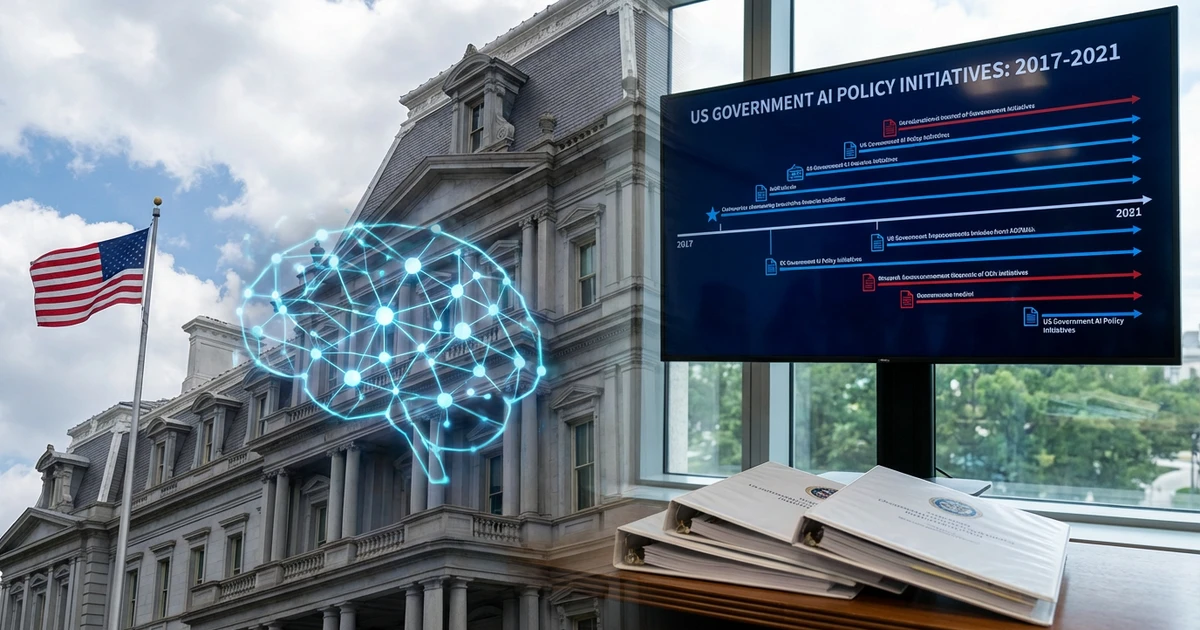
Artificial intelligence (AI) emerged as a defining technological issue during the Trump administration, with the White House taking a series of policy actions and issuing multiple statements aimed at shaping the nation’s approach to AI innovation and regulation. This article presents a timeline-based synthesis of the Trump White House’s engagement with AI, outlining key events, policy decisions, and the broader implications for the U.S. technology sector.
Early Recognition of AI’s Strategic Importance
- From the outset, the Trump administration acknowledged the strategic significance of artificial intelligence for national security, economic competitiveness, and global leadership.
- High-level statements and reports began to highlight AI as a critical factor in the 21st-century technological race.
Establishing Federal AI Priorities
- In early 2019, the White House launched the American AI Initiative, the first coordinated federal strategy to promote AI research and development in the United States.
- The initiative focused on encouraging investment in AI R&D, enhancing access to federal data and computing resources, and setting principles for trustworthy AI development and use.
- Multiple agencies—including the Department of Defense and the National Science Foundation—were tasked with executing various components of this initiative.
Statements and Public Messaging
- Throughout his term, President Trump and senior officials framed AI as a vehicle for economic growth and a critical component of U.S. national security.
- The administration’s messaging emphasized the need for American leadership in AI to counter global competitors, particularly China.
- Guidance documents released by the White House underscored the importance of balancing innovation with ethical considerations, privacy, and civil liberties.
Regulatory Philosophy and Key Principles
- The Trump administration generally favored a light-touch regulatory approach to foster innovation, warning against “overregulating” emerging technologies.
- In 2020, the White House Office of Management and Budget issued guidance to federal agencies on the regulation of AI applications, encouraging the removal of unnecessary barriers to AI development while stressing the importance of safety and non-discrimination.
International Engagement and Partnerships
- The administration engaged with allies and international organizations to promote U.S. interests in global AI standards and norms.
- Efforts included participation in the G7 and the OECD to advocate for risk-based, innovation-friendly AI governance frameworks.
Key Milestones in the Trump Administration’s AI Policy Timeline
- February 2019: Launch of the American AI Initiative, marking the administration’s flagship AI policy announcement.
- January 2020: The White House released “Guidance for Regulation of Artificial Intelligence Applications,” directing federal agencies to consider innovation and fairness in regulation.
- Ongoing (2017-2020): Senior officials, including the President, made regular statements supporting AI investment, emphasizing U.S. competitiveness, and highlighting the need for public trust in AI technologies.
Analysis: The Legacy and Impact of Trump-Era AI Policies
The Trump administration’s actions laid the groundwork for a federal AI strategy centered on innovation, economic competitiveness, and limited regulation. While critics argued that the administration’s approach lacked specificity on implementation and oversight, supporters pointed to increased federal investments in AI research and a clear commitment to American leadership in emerging technologies.
The focus on international cooperation and the balance between innovation and public trust continue to influence U.S. AI policy under subsequent administrations. As AI technology evolves, the Trump-era framework provides an important reference point for ongoing debates about how best to harness artificial intelligence for national benefit while addressing ethical and security challenges.