World
Trackside fire halts London Stansted rail services, causing delays and cancellations
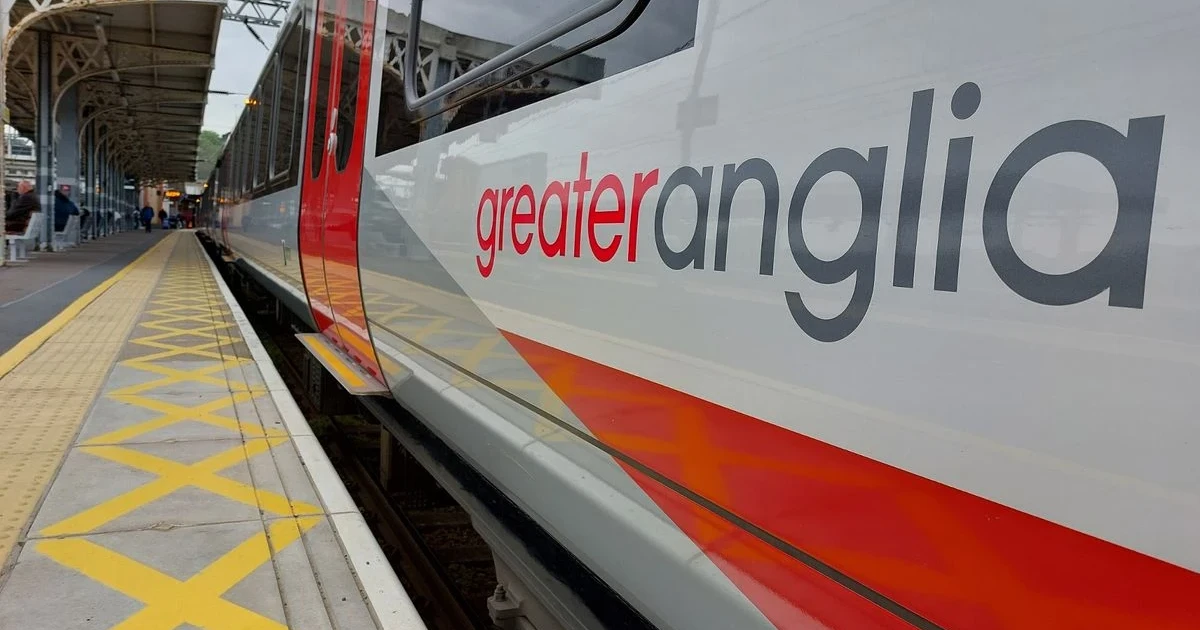
Greater Anglia halted all train movements at 14:57 BST after a fire at Waltham Cross in Hertfordshire, stopping some services to and from London Liverpool Street and disrupting the rail corridor to Stansted Airport. The operator later updated passengers that cancellations would follow the fire, turning a single incident beside the tracks into a wider stoppage on one of London’s busiest airport links.
The interruption hit a route that carries both commuters and travelers heading to Stansted, where rail access is a critical part of airport journey planning. When trains between London and the airport were stopped, the impact extended beyond a routine delay: passengers were left to absorb missed connections, altered departures and the uncertainty that comes when a rail corridor is taken out of service with little warning. The route’s importance makes it especially vulnerable to knock-on disruption, because even a short halt can ripple through airline schedules and the daily flow of people using London Liverpool Street.
The fire at Waltham Cross also sat within a broader day of transport problems linked to trackside fires and wildfires. Separate reports described passengers being evacuated from trains to a major London airport as wildfires caused further rail chaos. Taken together, the incidents showed how quickly fire-prone conditions can interrupt the network and force operators to move from delay management to full cancellations.
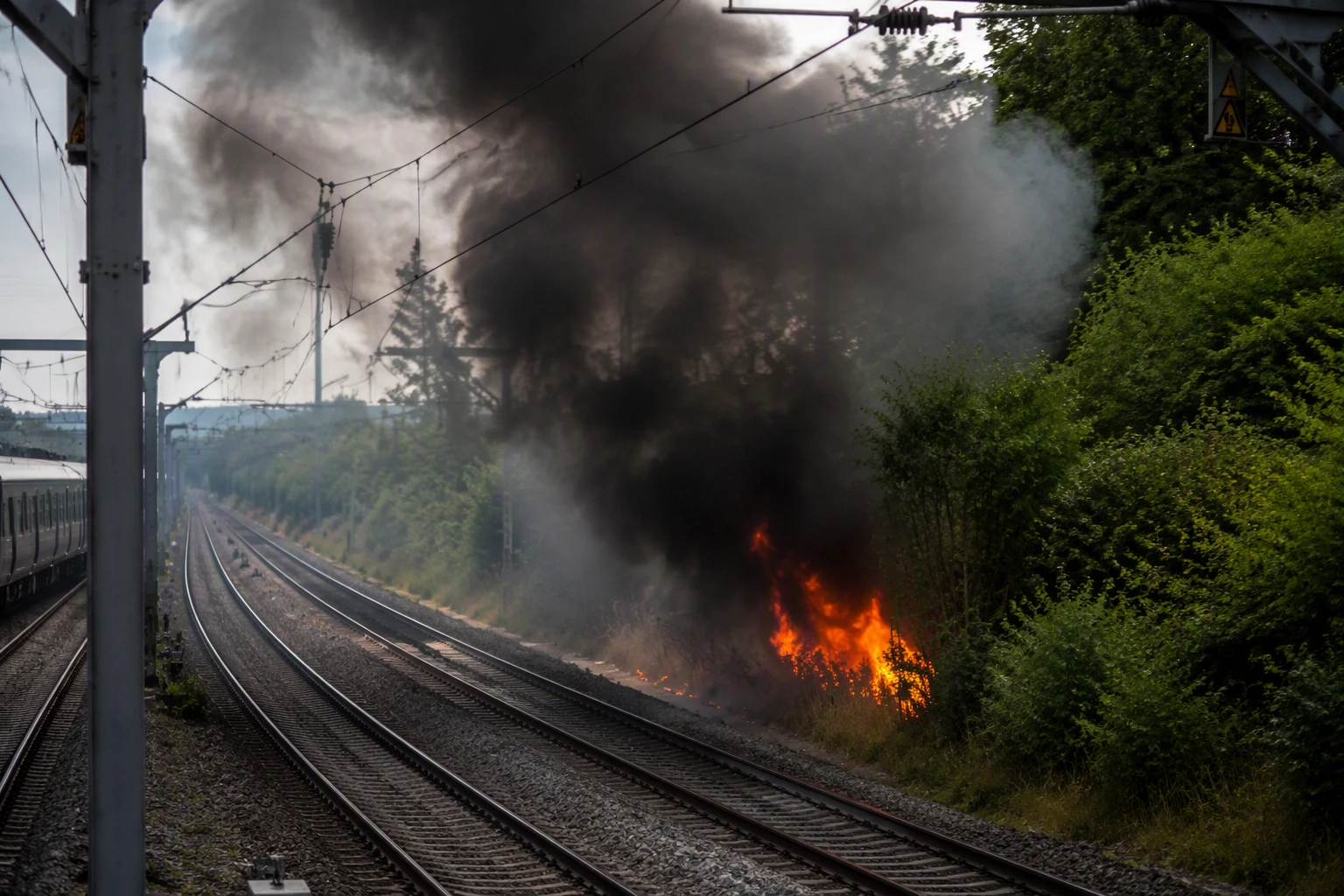
For Stansted-bound passengers, the disruption underscored how dependent airport access is on a small number of rail links crossing open, fire-exposed corridors. For regular rail users, it meant that a line used for both long-distance airport trips and everyday travel could stop abruptly at the point where safety checks, fire response and train control meet. In practical terms, that leaves operators with limited options once a trackside blaze has blocked the route: hold services, cancel departures and restart only when the line is safe for movement again.
Sources
- [1]bbc.co.uk
- [2]aol.com
- [3]gazette-news.co.uk
- [4]metro.co.uk
- [5]ca.news.yahoo.com