Business
Trading card boom raises questions about gambling-like collecting
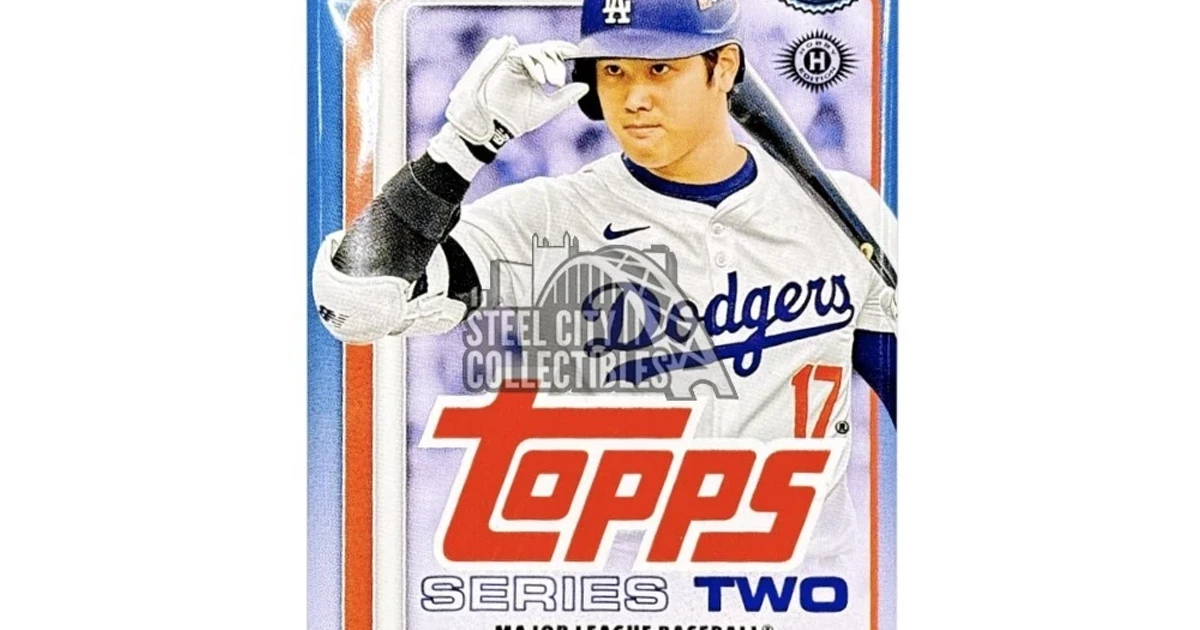
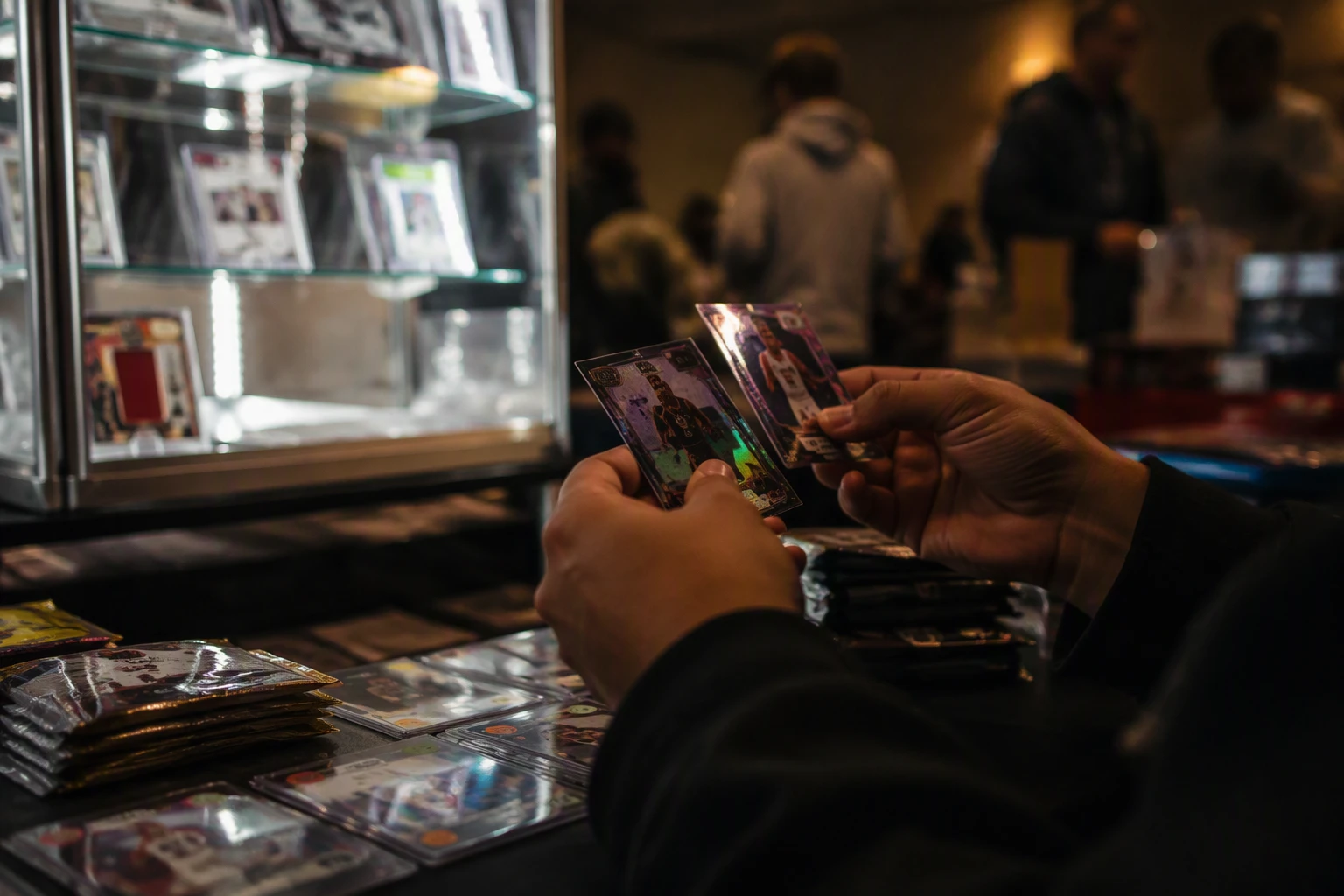
Trading cards have swelled into an estimated $50 billion industry, and the boom has pushed rare cards, sealed boxes and random packs into the same conversation as gambling. The pandemic-era rush sent people digging through old boxes in closets and garages, then carried the hobby from family rooms to expos, auctions and Fanatics Fest in New York.
CBS News Texas said the surge helped turn a pastime once driven by fandom into a market with major stars, high-priced openings and cards that can fetch huge sums. The same reporting said some of the most sought-after cards are hidden in random packs, a structure that has raised questions among collectors and experts about whether the thrill of opening packs now resembles betting.
That concern has been building alongside another pattern: booms in sports cards rarely arrive without a crash. ESPN traced one of the biggest spikes in decades to the coronavirus, the internet and lots of money, but The Athletic noted in 2020 that the sports card industry had already collapsed before rebounding, a reminder that this market has cycled through fever and disappointment before.
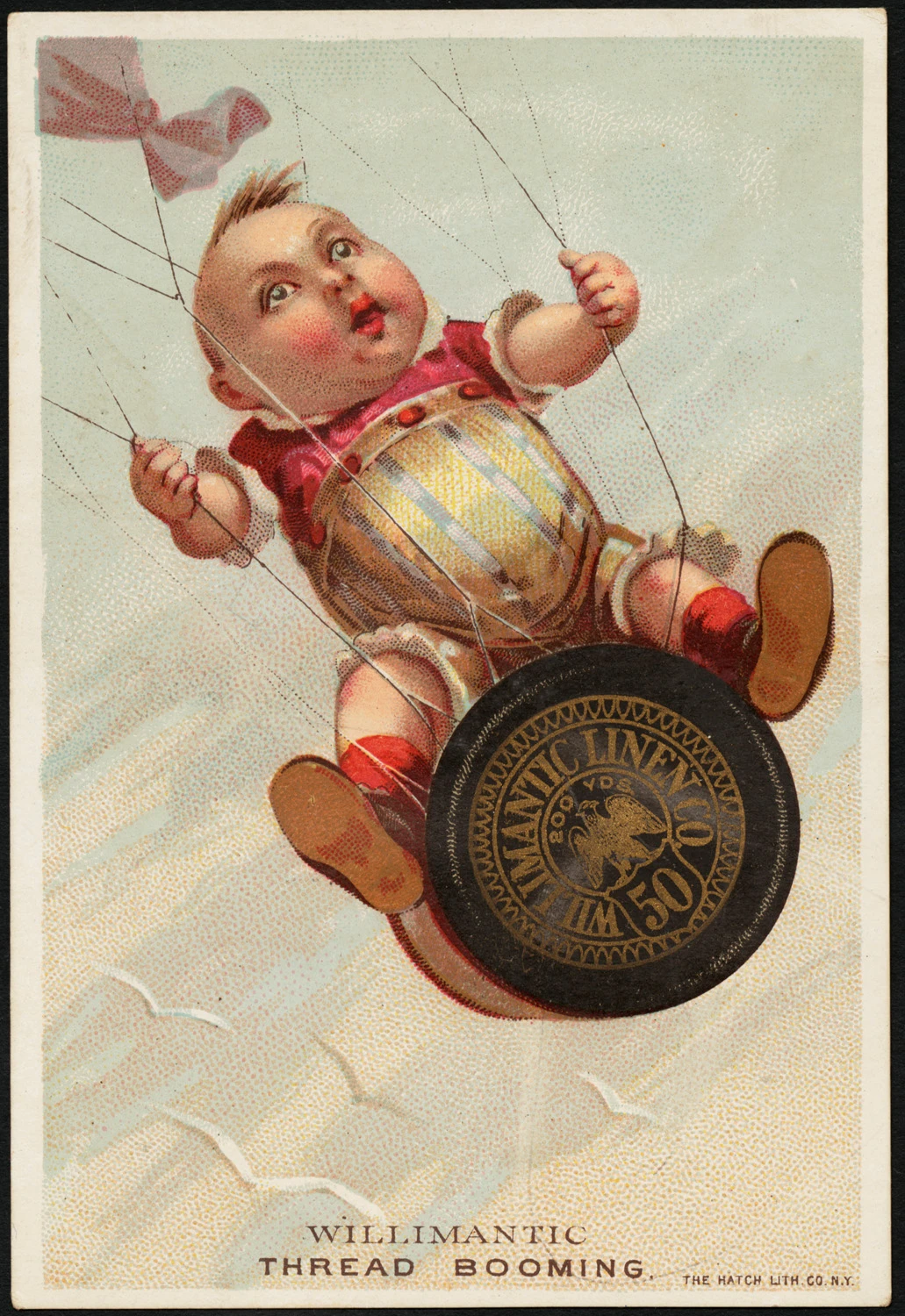
The hobby’s modern reach still rests on a long paper trail of nostalgia. CBS Mornings said 1951 was the first year Topps, then a chewing gum company, began making baseball cards, a milestone that helped define the market’s link to the game itself. That history now sits beside a new reality in which unopened boxes and limited-release cards are treated as speculative assets as much as collectibles.
The numbers behind the growth remain striking. A 2024 PostPress report said the sporting trading card industry alone expected to reach more than $2,881.7 million by 2028. Grand View Research put the U.S. trading card market at $5.9 billion in 2025 and projected growth to $10.2 billion by 2033.
Those projections suggest a category that still has room to expand, but they do not settle the bigger question hanging over the hobby. As prices climb, scarcity marketing intensifies and pack-opening becomes more financialized, trading cards are drifting further from the childhood ritual of swapping doubles and closer to a market where hype can move faster than trust.
Sources
- [1]cbsnews.com
- [2]youtube.com
- [3]thv11.com
- [4]espn.com
- [5]postpressmag.com
- [6]grandviewresearch.com
- [7]nytimes.com