World
Tragedy in Eastern DRC: Over 200 Killed in Catastrophic Coltan Mine Collapse
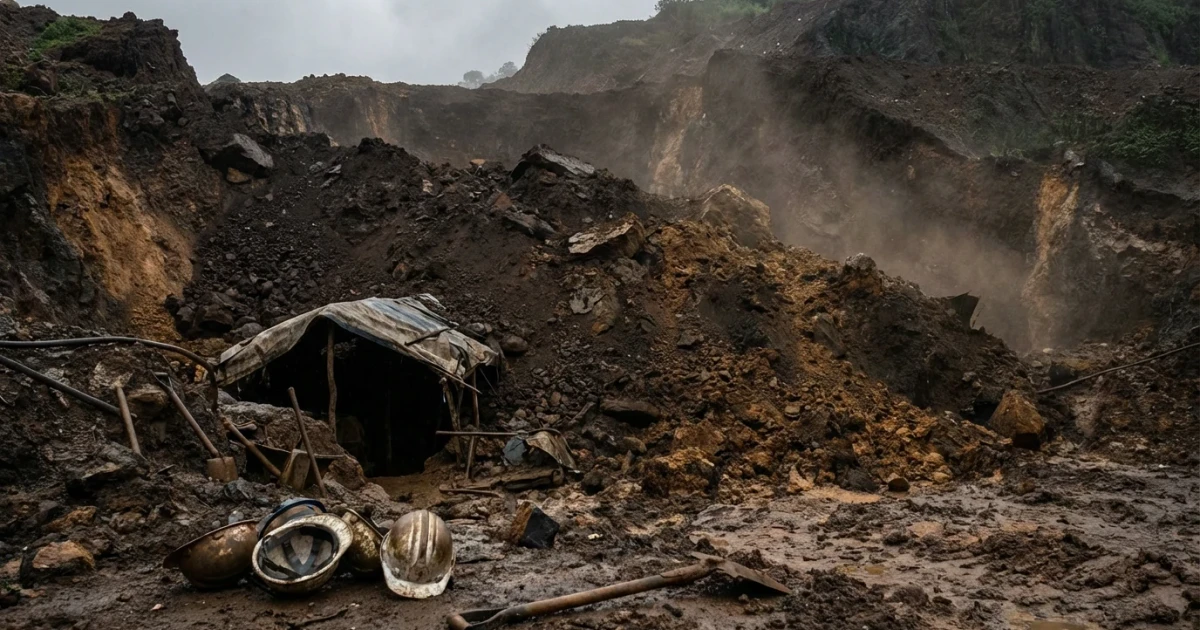
Eastern Democratic Republic of Congo (DRC) is reeling after a catastrophic coltan mine collapse has reportedly claimed the lives of more than 200 people, according to local officials. The disaster is one of the deadliest mining incidents in the region’s recent history, highlighting the persistent hazards faced by workers in the DRC’s lucrative but perilous mining sector.
The Collapse: What Happened
Officials have confirmed that a mine in eastern DRC, a region rich in minerals like coltan, suddenly collapsed, trapping and killing over 200 miners. Rescue efforts have been underway, but the chances of finding survivors remain slim due to the scale of the collapse. The actual number of casualties may rise as recovery operations continue in treacherous conditions.
Coltan Mining in the DRC: A Vital Yet Dangerous Industry
Coltan, a crucial mineral used in the production of electronic components for devices like smartphones and laptops, is a major export resource for the DRC. The global demand for coltan has fueled intense mining activity in the eastern provinces. However, much of the mining is done informally and under hazardous conditions, with many workers lacking proper safety equipment or oversight.
- The DRC supplies a significant portion of the world’s coltan, making the region a strategic source for technology manufacturers.
- Mining sites are often remote, poorly regulated, and susceptible to environmental and structural hazards.
- Accidents, including mine collapses and landslides, are tragically common, often resulting in mass casualties.
Human Cost and Community Impact
The collapse has left families and entire communities devastated. Many of the miners are local residents who work in the mines out of economic necessity, often supporting large families on modest earnings. The loss of so many lives in a single incident is expected to have a profound social and economic impact on the region.
Calls for Reform and Increased Oversight
This latest disaster has reignited calls for stronger regulation and improved safety standards in the DRC’s mining sector. Humanitarian organizations and local officials have long warned about the dangers miners face, citing the lack of enforcement of existing safety laws and insufficient support for workers. The tragedy underscores the urgent need for coordinated action to protect those who risk their lives extracting minerals vital to the global economy.
Looking Forward
As the DRC mourns the loss of more than 200 miners, the international community’s attention has once again turned to the hidden costs of the technology supply chain. The disaster serves as a stark reminder of the human toll behind everyday electronics and the ongoing challenges in ensuring safe, ethical mineral sourcing from conflict-prone regions.
Further updates are expected as rescue operations continue and officials assess the full scope of the tragedy. The story continues to unfold, with stakeholders across the globe watching closely for responses from both the government and industry leaders.
Sources
- [1]The Guardian