World
Train collision near Bedford kills driver, injures dozens
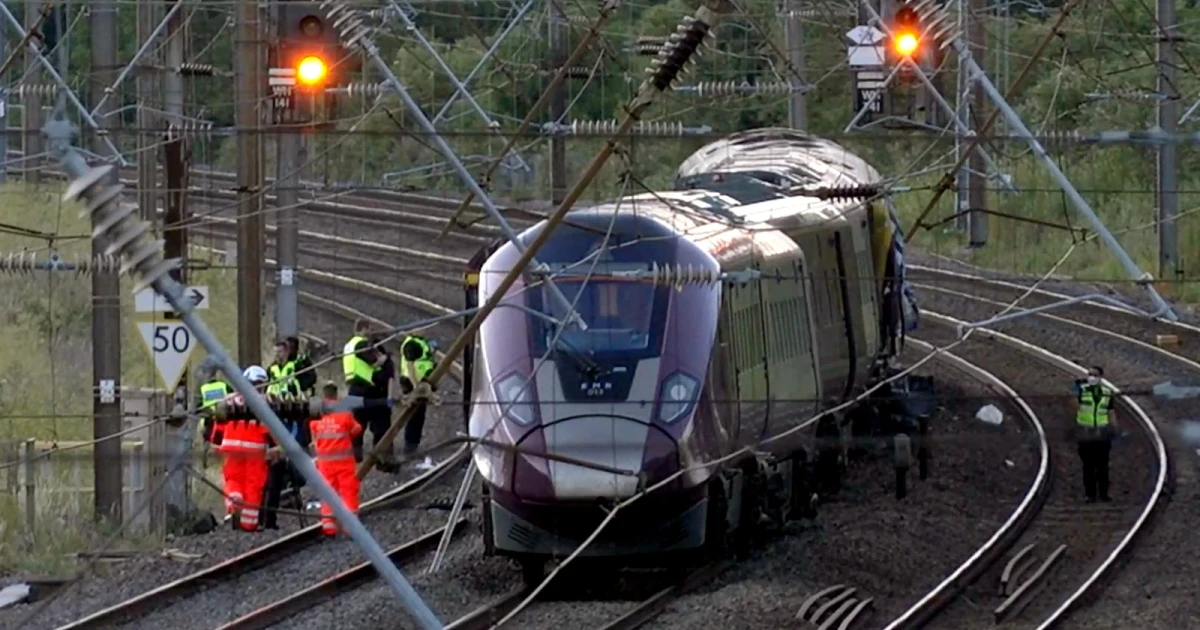
A rush-hour collision between two passenger trains north of London left one train driver dead and 99 people injured, turning a busy route into a mass-casualty scene outside Bedford. The crash, near Kempston Hardwick just south of Bedford, forced emergency crews, rail operators and investigators to confront immediate questions about how two East Midlands Railway services ended up on the same track toward London St Pancras International.
The impact came at about 5:14 to 5:15 p.m. on Friday, June 19, 2026, near the Elstow interchange between the A421 and the A6. The Corby service struck the rear of a Nottingham train, and at least one carriage derailed. Bedfordshire Fire and Rescue Service said it sent seven fire engines and specialist vehicles to the scene, while ambulance crews deployed an air ambulance and a hazardous incident team from the East of England Ambulance Service.
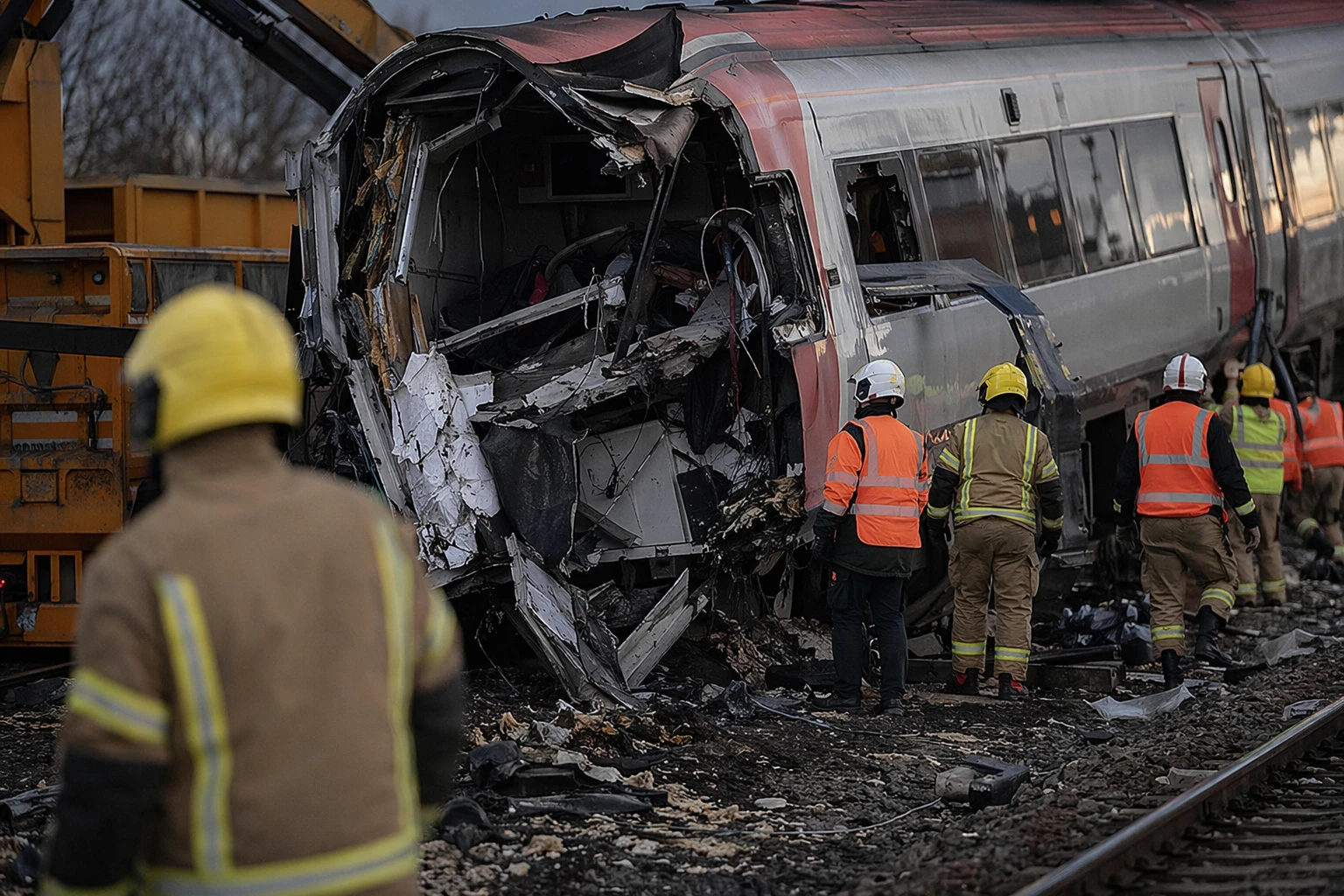
The scale of harm widened through the evening. Sky News reported 99 injured in total, including nine in critical condition, 32 seriously injured, two with very serious injuries and 56 with minor injuries. British Transport Police confirmed that one person died and others were hurt. Passenger Peter Knapp described being thrown forward in the collision and seeing smoke, people crying and several passengers who appeared unable to speak.
The crash forced a major interruption on a corridor that links London with central England and Scotland. East Midlands Railway said no trains would run between Bedford and London St Pancras International, London Bridge and Sutton on Saturday, June 20, and Sunday, June 21. Emergency managers urged people to stay away from Bedford Hospital and Luton and Dunstable University Hospital unless they had a genuine emergency, as both hospitals dealt with the aftermath.
The incident quickly moved beyond a single accident and into a test of the rail system’s safety net. King Charles said he was “greatly saddened,” and London Mayor Sadiq Khan called for a full investigation. The Rail Accident Investigation Branch, which independently investigates rail accidents to improve safety and inform the industry and the public, is expected to examine what failed and whether the safeguards meant to prevent a rear-end collision were enough.
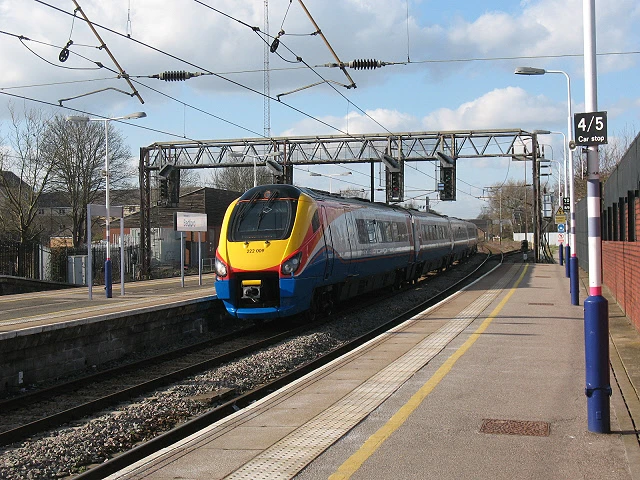
East Midlands Railway said the trains involved were Class 360 and Class 810 units, placing older and newer rolling stock at the center of the inquiry. For Bedford, the priority is now the wounded, the dead and the families waiting for answers, while the railway system faces a hard look at signaling, operations and the protections that are supposed to stop one train from striking another.
Sources
- [1]apnews.com
- [2]news.sky.com
- [3]bedsfire.gov.uk
- [4]eastmidlandsrailway.co.uk
- [5]gov.uk