World
Train Collision Near Copenhagen Injures 17, Spurs Emergency Response
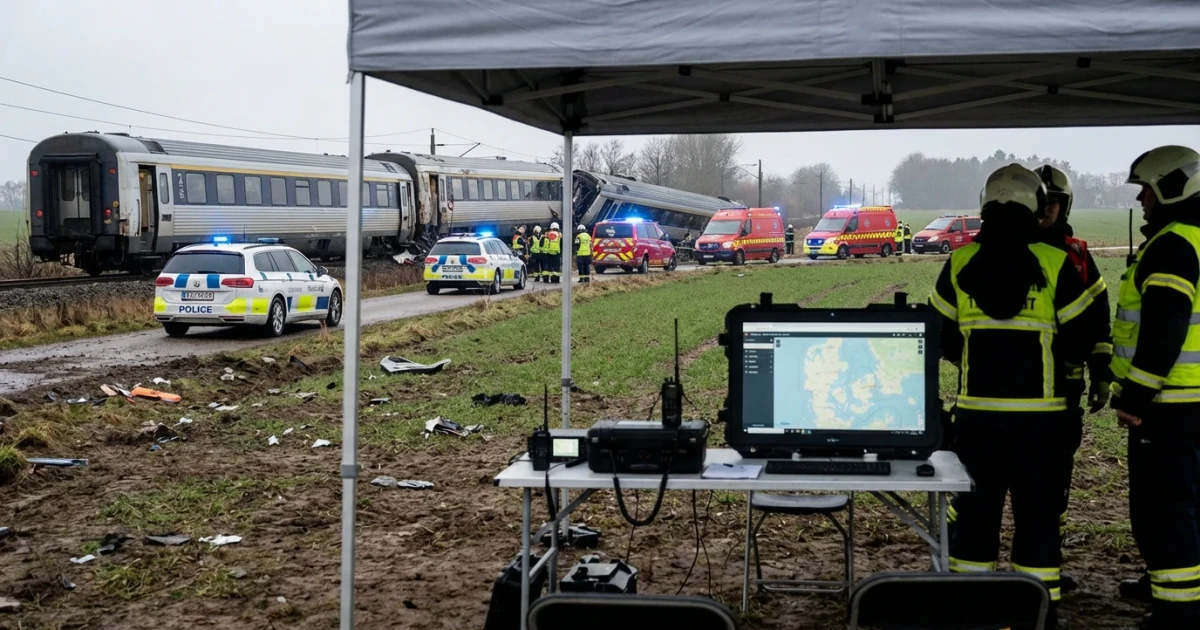
Seventeen people were injured when two trains collided north of Copenhagen on Wednesday, prompting a massive emergency response from Danish authorities. The incident, which occurred in the early morning hours, has renewed focus on rail safety in Denmark and the protocols governing emergency operations.
Details of the Collision
According to reports from AP News and Reuters, the collision involved two passenger trains operating on Denmark’s extensive rail network. The crash took place just outside the capital, in an area known for heavy commuter traffic. Emergency services were quickly dispatched to the scene, where they treated the injured and worked to secure the site.
- 17 people sustained injuries, with several requiring hospital treatment, according to local emergency services.
- Authorities have not yet released specifics about the cause of the collision or the condition of the train operators.
Denmark’s rail system is generally regarded as safe and efficient, transporting millions of passengers annually. For readers seeking more information on the scale and operation of the Danish rail network, the Eurail guide offers an overview of routes, services, and operational standards.
Emergency Response Efforts
The collision prompted a large-scale response from police, fire, and medical personnel. Images from the scene showed emergency workers coordinating rescue efforts and assisting passengers off the trains. The area was cordoned off, and rail services were temporarily suspended while responders assessed the situation and transported those in need of medical attention.
Denmark’s Ministry of Transport outlines rigorous response protocols for rail incidents, emphasizing coordination between local and national agencies. Readers interested in official policies can review the Danish Ministry of Transport’s rail safety regulations for further context on how such emergencies are managed.
Investigation and Safety Concerns
Investigators have begun examining the site to determine what led to the collision. While Denmark has a strong record of rail safety, official statistics indicate that accidents, though rare, do occur, often sparking comprehensive reviews of safety measures and operational protocols.
The Danish Accident Investigation Board is expected to conduct a detailed inquiry into the circumstances of the crash. Past investigation reports have contributed to improvements in signaling, communication, and emergency preparedness across the network.
Rail Safety in Denmark and Europe
Denmark’s rail system is part of a broader European network subject to stringent safety oversight. According to Eurostat data, the number of rail accidents and casualties in Denmark has remained low compared to other European nations. However, this latest incident underscores the importance of ongoing vigilance and investment in rail infrastructure and safety systems.
For those seeking deeper analysis, the European Road Safety Data Platform aggregates safety data and trends across the continent, providing valuable context for understanding Denmark’s relative performance and ongoing challenges.
Looking Ahead
As authorities continue their investigation, questions remain about the specific factors that led to the crash and how similar incidents can be prevented in the future. The Danish rail system’s overall safety record will be scrutinized, and recommendations from the official inquiry could prompt further improvements in technology and emergency response protocols.
For now, the focus remains on ensuring the recovery of the injured and restoring full service to the affected rail line, while the nation awaits further details from investigators and officials.