Business
Travelers embrace hotel hopping to stretch summer vacation budgets
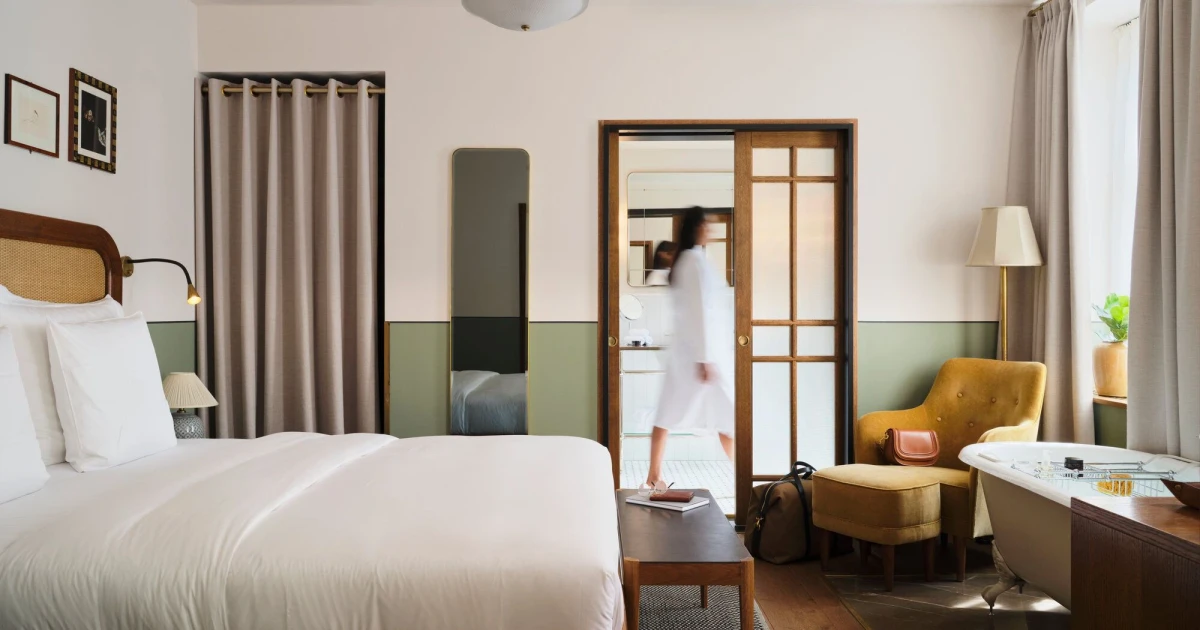
Summer travelers are not backing away from vacations, they are reengineering them. Hotels.com says the defining shift is not fewer trips but "traveling differently," with households looking for ways to keep summer plans alive while squeezing more value from every night away.
Hotel hopping turns one trip into several budget choices
The clearest sign of that shift is the rise of "Hotel Hop" behavior, where travelers book multiple hotels within a single destination. Hotels.com says 54% of travelers now want to Hotel Hop, 50% do it to explore different neighborhoods, and 35% say the goal is to maximize deals and discounts. Social buzz around the trend is up more than 1,100% year over year, a sign that value-seeking has become part of the conversation, not just a behind-the-scenes booking tactic.
In practical terms, hotel hopping lets travelers split a vacation into segments that match different moods and price points. A trip can begin with a higher-end stay near a beach, arena, or landmark, then shift to a more budget-friendly room for the rest of the visit. Hotels.com says the pattern is especially common on city breaks, island escapes, event travel, and bleisure trips, where the destination itself is diverse enough to make moving between hotels feel like a feature rather than a hassle.
Why younger travelers are leaning into the mix-and-match approach
The trend is particularly strong among Gen Z and Millennials, who are more likely to combine an all-inclusive stay with a cheaper hotel elsewhere in the same trip. That mix gives them a way to preserve one splurge while lowering the total bill, which fits a summer in which value matters but experience still counts. In other words, travelers are not cutting trips out of the calendar, they are redesigning them room by room.
That approach also reflects a broader shift in how people define value. Instead of chasing the lowest advertised room rate, many travelers now want the right blend of amenities, flexibility, and location. Hotels.com and its broader Expedia Group stable, including Vrbo, are framing 2026 travel around value-rich stays, upscale amenities, and free perks that make the total trip feel smarter, not just cheaper.
The booking windows that can lower the bill
Hotels.com’s 2026 Hotel Price Index gives travelers a few concrete ways to push rates down. Booking 8 to 14 days ahead often delivers the best rates, while last-minute travelers can save an average of 23% compared with people who book months in advance. Sunday check-ins can cut costs by up to 15% in the United States, and January remains the cheapest month to travel.
The same pricing research says international five-star hotels are, on average, 23% cheaper than five-star hotels in the U.S. That matters because it shows where some travelers are finding room to upgrade without fully blowing up the budget. For households trying to preserve a summer getaway while absorbing higher living costs, the message is clear: timing can matter as much as destination.
Hotels.com says its 2026 price index is based on internal booking data and a global survey of 11,000 travelers. That mix of real booking behavior and consumer sentiment helps explain why the value conversation is so dominant. Travelers are still willing to spend, but they are being more deliberate about when they book, when they check in, and how much of the trip gets concentrated into one standout stay.
Deal strategists are changing how summer travel gets booked
TravelPulse, citing Melanie Fish, says travelers are becoming "deal strategists," using points, perks, timing tricks, and bundled packages to stretch budgets further. The same reporting says budget-filtered searches are up more than 1,800% and rewards usage has surged 820%, both strong signals that consumers are actively hunting for ways to reduce out-of-pocket costs. That behavior fits a summer market in which the main question is not whether to travel, but how to make the math work.

The strategy often starts with the room search itself. Travelers are filtering aggressively, comparing package options, and leaning on loyalty programs that can offset part of the stay. Instead of paying full price for a single long booking, many are piecing together a trip from multiple value sources, including rewards, promotional rates, and selective splurges.
What this means for the summer travel map
The broader pattern is a market that still has trip demand, but more price sensitivity underneath it. Consumers are increasingly choosing domestic value plays, smarter booking windows, and hotels or packages that deliver more included value upfront. That does not necessarily mean they want a bare-bones vacation; it means they are more willing to trade a perfect single-property stay for a trip that feels richer overall.
TravelPulse’s summer-trend coverage reinforces that point by noting that some travelers may splurge on one standout hotel while choosing simpler accommodations for the rest of the trip. That is exactly the logic behind hotel hopping: use one memorable stay to anchor the getaway, then let the rest of the itinerary flex around budget and convenience. It is a practical answer to cost pressure, and it is reshaping summer travel one booking at a time.
For households still determined to get away, the new playbook is less about saying no to travel and more about editing the trip with precision. Hotel hopping, smarter timing, and rewards-heavy booking behavior are becoming the tools that keep vacations within reach without sacrificing the feeling of a real summer break.
Sources
- [1]abcnews.com
- [2]hotels.com
- [3]travelpulse.com