Lifestyle
Travelers Seek Croatia Alternatives for Affordable European Getaways
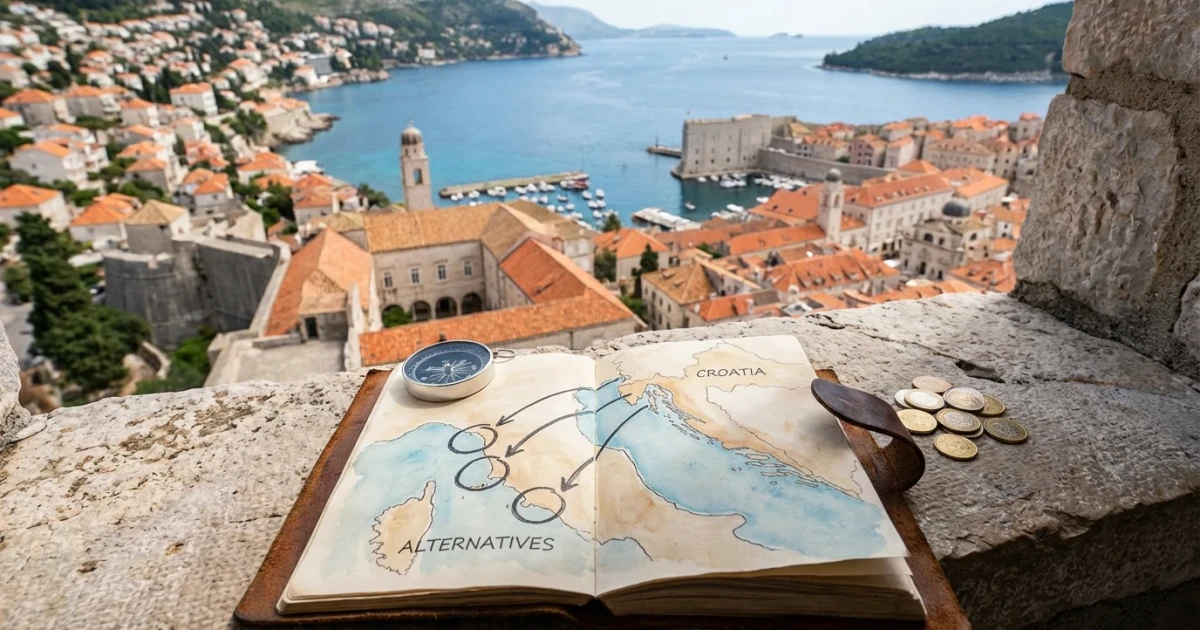
Croatia has long been a favorite among European travelers, famed for its stunning Adriatic coastline, medieval towns, and vibrant summer festivals. However, as its popularity has soared, so have prices—driving many holidaymakers to seek out alternative destinations in 2026 that offer similar experiences without the hefty price tag.
Rising Costs Push Tourists to Explore Alternatives
According to Statista's tourism data, Croatia has seen a sharp increase in the number of international arrivals over the past decade, with overnight stays surpassing 91 million in recent years. This demand has driven up costs for accommodation, dining, and activities, especially in hotspots like Dubrovnik and Split. The Croatian National Tourist Board's statistics confirm that average nightly rates continue to rise, putting pressure on travelers’ budgets.
With Croatia's top regions now among the most in-demand tourist destinations in Europe, many vacationers are turning to alternatives that promise similar scenic beauty and cultural experiences at a fraction of the price. The BBC described this trend as the search for "Croatia, but cheaper," highlighting a growing market for undiscovered or less-crowded locations.
Emerging Destinations Gaining Attention
Several destinations across the Balkans and Eastern Europe are now trending for 2026. According to the BBC, countries like Montenegro, Albania, and North Macedonia are seeing an uptick in interest. These locales boast pristine beaches, historic old towns, and affordable prices, appealing to budget-conscious travelers.
- Montenegro: Known for the Bay of Kotor and rugged mountains, Montenegro offers dramatic landscapes and seaside charm with average accommodation costs notably lower than Croatia’s.
- Albania: The Albanian Riviera has drawn comparisons to Croatia’s Dalmatian Coast, with costs for hotels and restaurants ranking among the lowest in the region.
- North Macedonia: With its lakeside towns and rich cultural heritage, North Macedonia attracts travelers seeking authenticity and value.
Data from the European Best Destinations tourism statistics platform show significant year-on-year growth in arrivals for these countries, even as Croatia remains popular.
Comparing Costs and Experiences
Travelers are increasingly using tools like Numbeo’s cost of living comparison to weigh their options. For example, a week-long holiday for two in Albania can cost up to 30% less than a similar stay in Croatia, with meals, transportation, and attractions all priced more competitively. Meanwhile, Montenegro’s blend of beaches and mountains offers a similar appeal to Croatia's famed coast, yet with fewer crowds and lower prices.
The OECD’s tourism policy review for Croatia notes that while Croatia remains a top draw for international tourists, the country’s future competitiveness may hinge on offering greater value and diversifying its tourism product.
Why Croatia Still Holds Its Place
Despite growing competition, Croatia continues to enjoy a strong reputation for safety, hospitality, and world-class attractions. The UN World Tourism Organization’s statistics place Croatia among the top 20 most visited countries in Europe. Repeat visitors cite the country’s unique mix of history, cuisine, and natural beauty as reasons to return, even if they pay a premium during peak season.
Looking Ahead: Value and Discovery in European Travel
The trend toward exploring lesser-known European destinations appears set to continue as travelers seek both value and authentic experiences. With more information available on alternative spots and transparent price comparisons, holidaymakers in 2026 are better equipped than ever to find their own version of “Croatia, but cheaper.”
For those willing to venture off the beaten path, the rewards include not just savings but the chance to experience emerging destinations before they become the next big thing in European tourism.