Lifestyle
Travelers Turn to Poland’s Baltic Coast for Summer Getaways
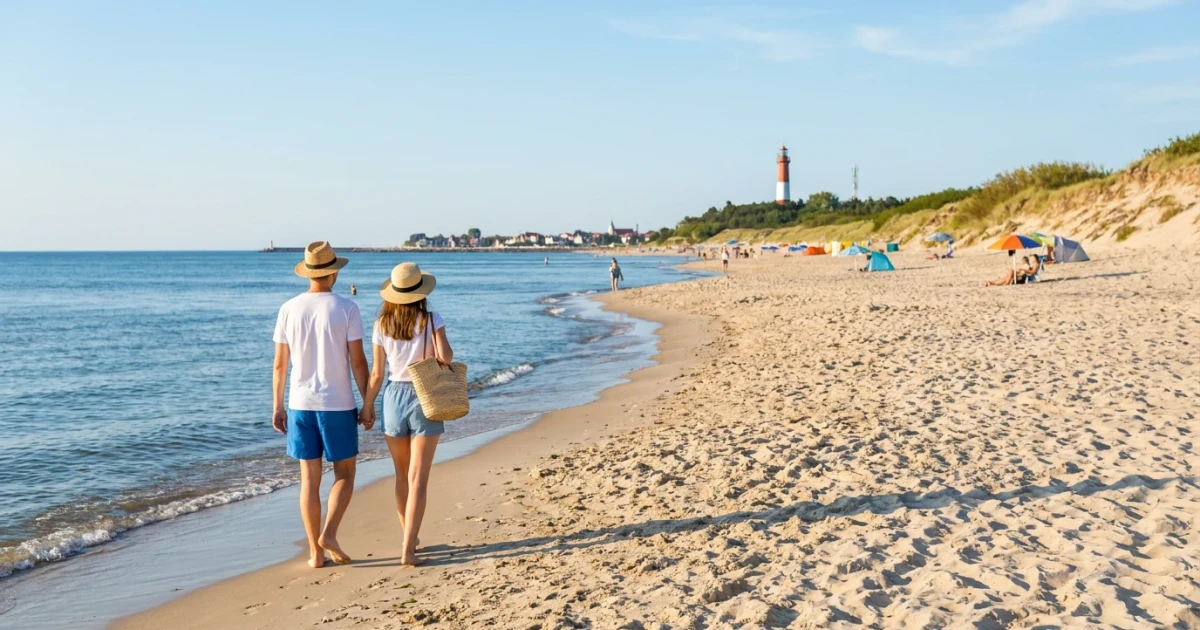
Poland’s Baltic Sea coast is gaining momentum as a summer destination, drawing travelers who once favored Portugal’s Algarve. Recent trends highlight a surge in interest, with visitors citing pristine beaches, affordable prices, and vibrant regional culture as key attractions. This shift is prompting many to reconsider traditional Mediterranean escapes in favor of Northern Europe’s coastal gems.
Rising Popularity Among Tourists
Tourism statistics show a consistent increase in the number of visitors to the Polish Baltic coast, particularly in the regions of Pomerania and West Pomerania. According to Statista data, annual tourist numbers have climbed steadily from 2019 through 2022, signaling growing appeal beyond local travelers. The area’s popularity is especially notable during the summer months, when cities like Gdańsk, Sopot, and Gdynia become lively hubs of activity.
- Millions of tourists visited the Baltic Sea coast in 2022, with numbers rebounding after the pandemic downturn.
- Family-friendly resorts and a wide range of accommodation choices contribute to the region’s broad appeal.
Comparative Advantages Over the Algarve
While Portugal’s Algarve remains a beloved destination for sunseekers, travelers are increasingly drawn to Poland’s coast for several reasons. A central factor is cost of living. Cities like Gdańsk offer lower prices for accommodation, dining, and entertainment compared to Faro and the Algarve region.
- Hotel prices and daily expenses in Polish seaside destinations tend to be substantially lower than in the Algarve.
- Travelers benefit from excellent value without compromising on comfort or amenities, as shown by the range of available accommodations.
Scenery, Beaches, and Activities
The Baltic coastline boasts wide, sandy beaches backed by pine forests and dramatic dunes, offering a distinct natural setting compared to the Mediterranean. Towns such as Hel, Łeba, and Międzyzdroje are celebrated for their clean sands, clear waters, and lively boardwalks. The coastline is also renowned for:
- Uncrowded stretches ideal for relaxation and family activities
- Water sports including windsurfing, kitesurfing, and sailing
- Nature reserves and the famous Słowiński National Park with its shifting sand dunes
For those interested in history and culture, cities like Gdańsk offer a wealth of museums, medieval architecture, and local festivals, as detailed by the official Pomerania tourism site.
Weather and Seasonal Appeal
While the Baltic region’s climate is cooler than Southern Europe’s, the summer season brings pleasantly warm weather, with average high temperatures in Gdańsk reaching 19°C to 22°C (66°F to 72°F) in July and August. Long daylight hours and fresh sea breezes make the coast attractive for both relaxation and outdoor pursuits.
Broader Travel Trends and Future Outlook
The growing interest in Poland’s Baltic coast reflects a broader trend among European travelers seeking new destinations that balance value, authenticity, and natural beauty. With ongoing investment in infrastructure and a continued emphasis on sustainable tourism, the region is poised to remain a compelling alternative to more crowded and expensive southern locales.
As travel patterns evolve, the Baltic coast stands out as a destination that blends affordability, scenic splendor, and cultural richness—offering a fresh perspective for summer holidays in Europe.