Lifestyle
Travelers Urged to Reconsider Visits to High-Risk Destinations
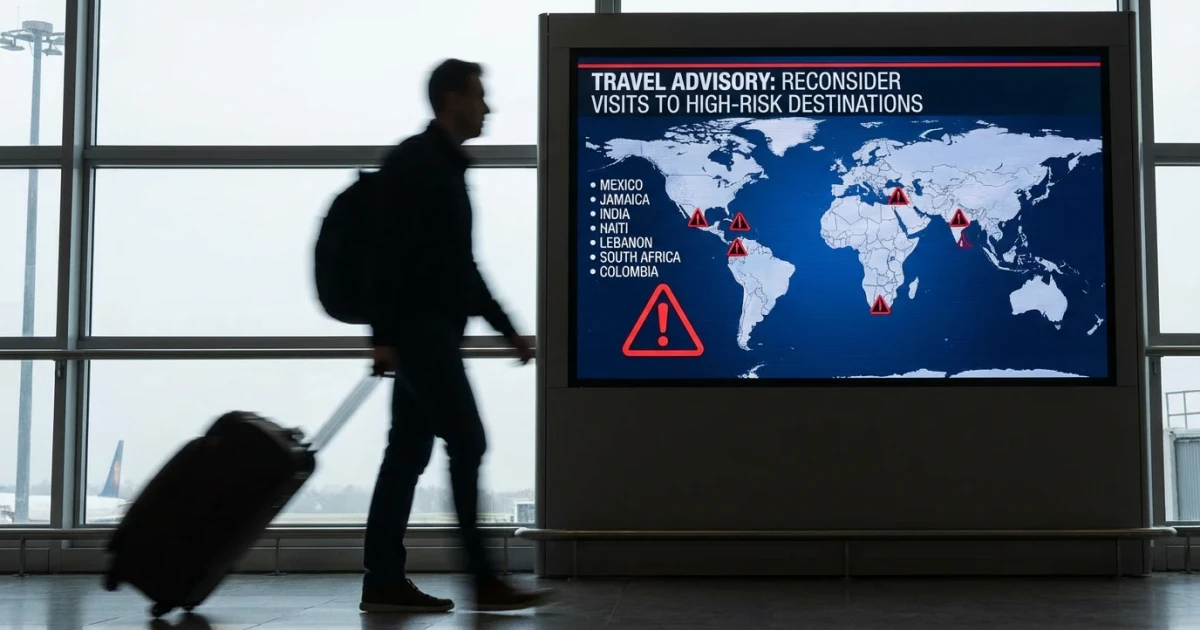
Mexico has been newly highlighted among the world’s most dangerous vacation destinations for 2026, joining countries such as Jamaica, India, Haiti, Lebanon, South Africa, and Colombia. This designation, first reported by Travel And Tour World, underscores rising concerns about traveler safety and the hidden risks that may not always be visible to tourists.
Mounting Risks for Popular Tourist Destinations
Multiple sources—including government travel advisories and global safety indexes—have consistently flagged these locations for elevated risks. The U.S. Department of State Travel Advisories currently recommend increased caution for several of these countries, citing threats such as violent crime, civil unrest, and terrorism. For instance:
- Mexico remains a leading destination for international travelers but faces persistent issues with organized crime and violence, especially in certain regions.
- Jamaica has seen increases in gang-related incidents and petty crime affecting tourists.
- India has regional security concerns, particularly in border areas and select states.
- Haiti continues to grapple with political instability and high rates of kidnapping.
- Lebanon is affected by ongoing tensions in the region and sporadic outbreaks of violence.
- South Africa is noted for its high rates of violent and property crime.
- Colombia has made progress in security, but risks remain in some rural and urban areas.
Crime, Safety, and Peace Indexes
According to the Numbeo Crime Index by Country 2024, all of these countries score above the global average for perceived crime rates. For example, South Africa and Jamaica consistently rank among the highest globally for violent crime and theft, while Mexico shows significant disparities between tourist hotspots and other regions.
The Global Peace Index 2024 further lists Haiti, Lebanon, and Colombia as among the least peaceful nations due to ongoing conflict, instability, and societal safety issues. These indexes offer a composite view of factors like homicide rates, political unrest, and the likelihood of terrorist incidents, all of which contribute to increased travel risk.
Tourism Trends and Economic Impact
Despite these risks, many of these destinations remain highly popular. According to UNWTO Tourism Statistics, Mexico regularly ranks within the top 10 countries for international tourist arrivals, and India and South Africa continue to draw millions of visitors annually. This paradox highlights the enduring appeal of these countries’ cultural, natural, and historical attractions, including numerous UNESCO World Heritage sites.
However, the economic benefits of tourism can be undermined by negative perceptions around safety. The Statista: Tourism in Mexico report shows that even a slight increase in travel advisories or high-profile incidents can lead to declines in visitor numbers and revenue.
Hidden Risks: Beyond Crime and Unrest
In addition to crime and civil unrest, travelers face other hazards that are less publicized. The WHO Global Health Observatory: Road Safety Data reveals that road traffic accidents are a leading cause of injury and death among tourists in these countries. Infrastructure challenges, inconsistent traffic law enforcement, and local driving customs contribute to increased risk on the roads.
For example, both India and South Africa report high rates of traffic fatalities, and the U.S. Overseas Security Advisory Council’s OSAC Country Security Reports recommend that visitors exercise caution when using taxis, public transport, or driving themselves.
What Travelers Can Do
- Consult official travel advisories before booking trips.
- Stay informed of local conditions and avoid high-risk areas.
- Register with embassy or consular services for emergency updates.
- Invest in comprehensive travel insurance covering medical and security evacuation.
- Practice heightened awareness of surroundings, especially in crowded or unfamiliar areas.
Looking Ahead
While these destinations continue to captivate travelers with their unique offerings, the risks for 2026 underscore the importance of informed preparation and vigilance. As global conditions evolve, both travelers and the tourism industry must adapt strategies to balance adventure with safety, ensuring experiences remain enriching and secure.