Politics
Treasury rejected Healey push for UK defence bank join-up
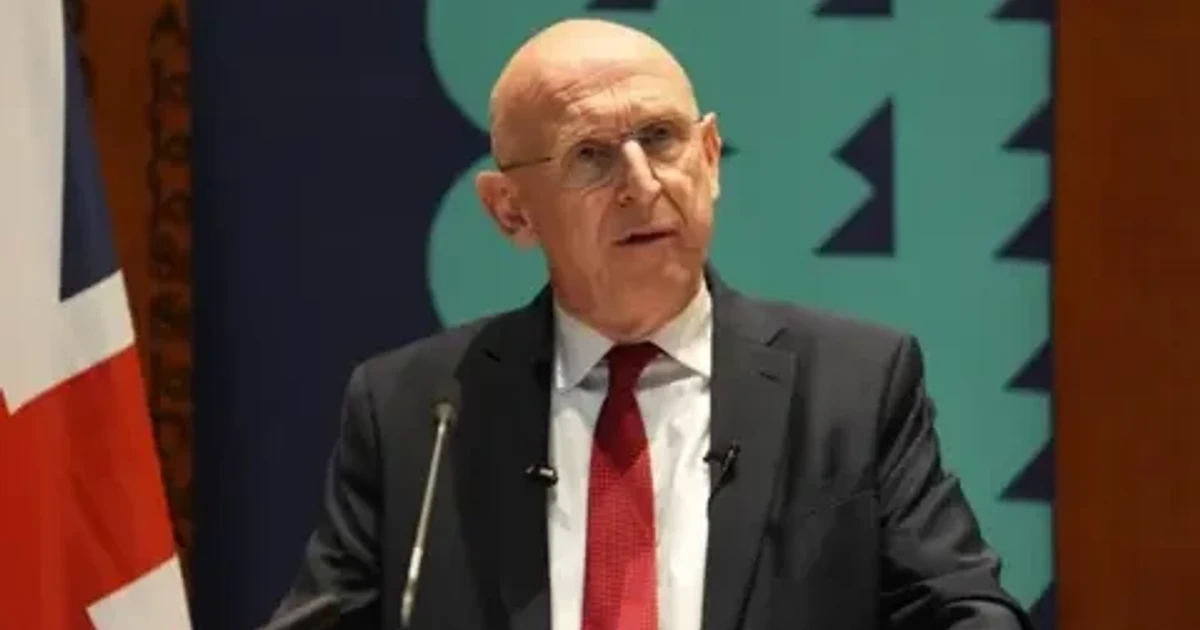
A fight inside Whitehall over a global defence bank has become a test of how Britain defines national security. John Healey privately pressed for the United Kingdom to join the Defence, Security and Resilience Bank, arguing it could help raise defence money at lower cost and give British industry a bigger role in the rearmament drive, while the Treasury looked elsewhere.
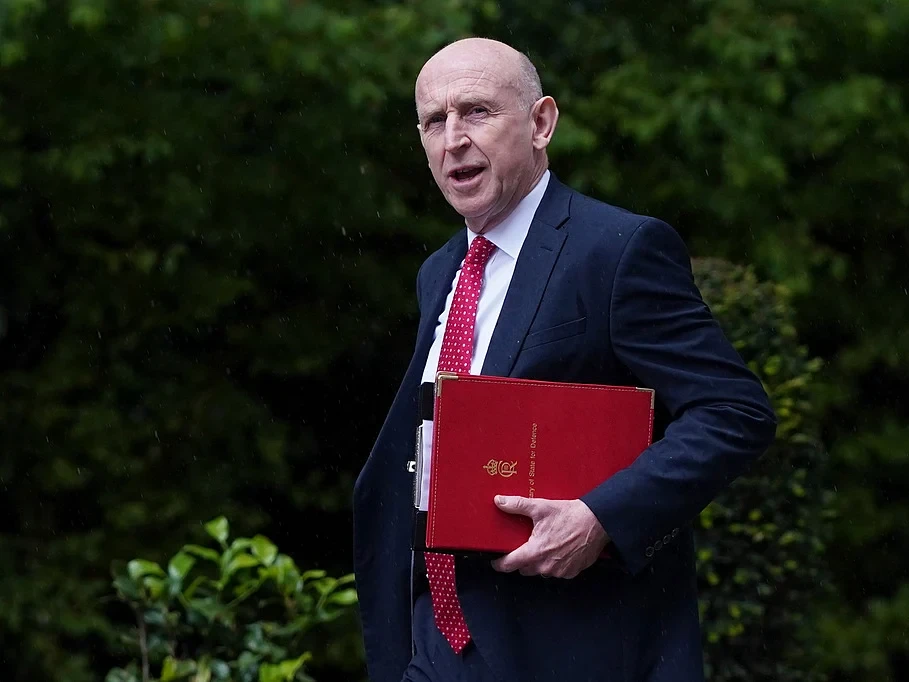
Healey set out the case in his resignation letter, saying there were “credible ways” to fund extra defence spending, including “working multi-nationally”. Allies of the former defence secretary said the Treasury tried to shut the idea down. Treasury sources said Rachel Reeves was instead examining other options, including talks with Poland over a “Multi-Lateral Defence Mechanism”.
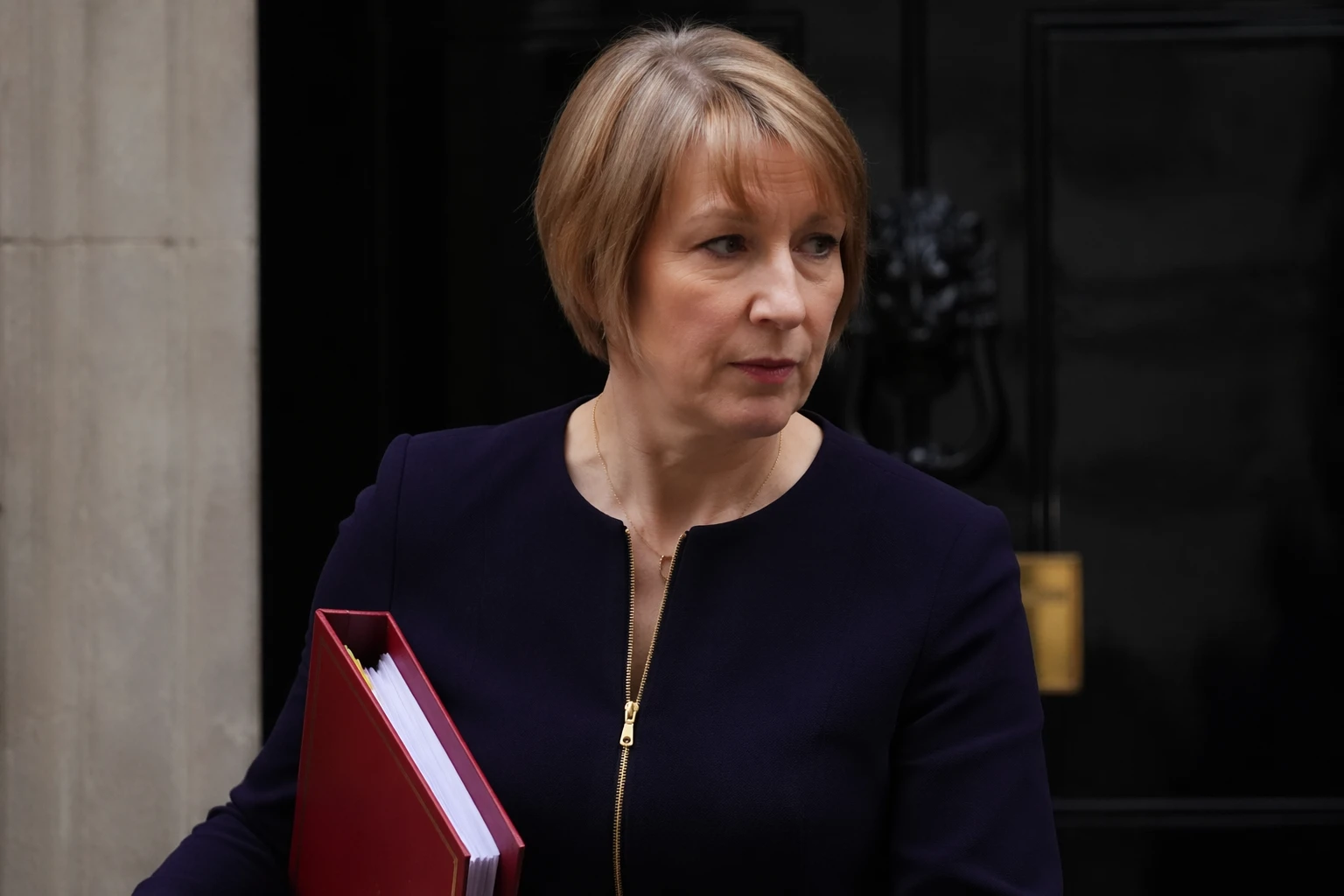
The stakes are not small. Countries that join the DSRB would be asked to make an upfront investment of about £870m, a price tag that sharpened concerns inside government about whether the bank was a strategic instrument or another liability for the public finances. Canadian prime minister Mark Carney has been pushing the idea internationally and is said to want the UK to join, while Labour MPs with a defence focus have been lobbying ministers for months to take a closer look.
The dispute has unfolded against a rapid escalation in NATO spending demands. Members agreed in June 2025 to a landmark pledge to spend 5% of GDP on defence investment, and a July 2025 taskforce co-chaired by Rachel Reeves and Healey endorsed creating the DSRB. The proposed lender is expected to be officially launched at a Nato summit next month, with plans to raise about £100bn and invitations sent to 41 countries, including Germany, Japan, the United States and Britain, to discuss funding.
Yet the Treasury’s caution reflects a deeper split over whether multilateral defence finance should sit alongside other state-backed economic tools or be treated as a fiscal risk. Whitehall critics have argued the model may suit smaller economies with weaker credit ratings better than Britain, even as supporters say it could close funding gaps and strengthen the domestic defence base.

That argument gained force as pressure on the Ministry of Defence mounted. In February 2026, the UK was assessing different funding models amid a reported £28bn gap in war-readiness plans, but the multilateral bank route had already been ruled out by the Treasury. Healey resigned on 11 June 2026, saying the government’s defence investment plan fell “well short” of what was required, leaving the row over the bank as a sharp measure of Britain’s military ambition and its appetite for risk.
Sources
- [1]bbc.com
- [2]yahoo.com
- [3]businesswire.com
- [4]globalbankingandfinance.com
- [5]telegraph.co.uk
- [6]inews.co.uk