Health
Trial Finds Daily Pill Doubles Pancreatic Cancer Survival
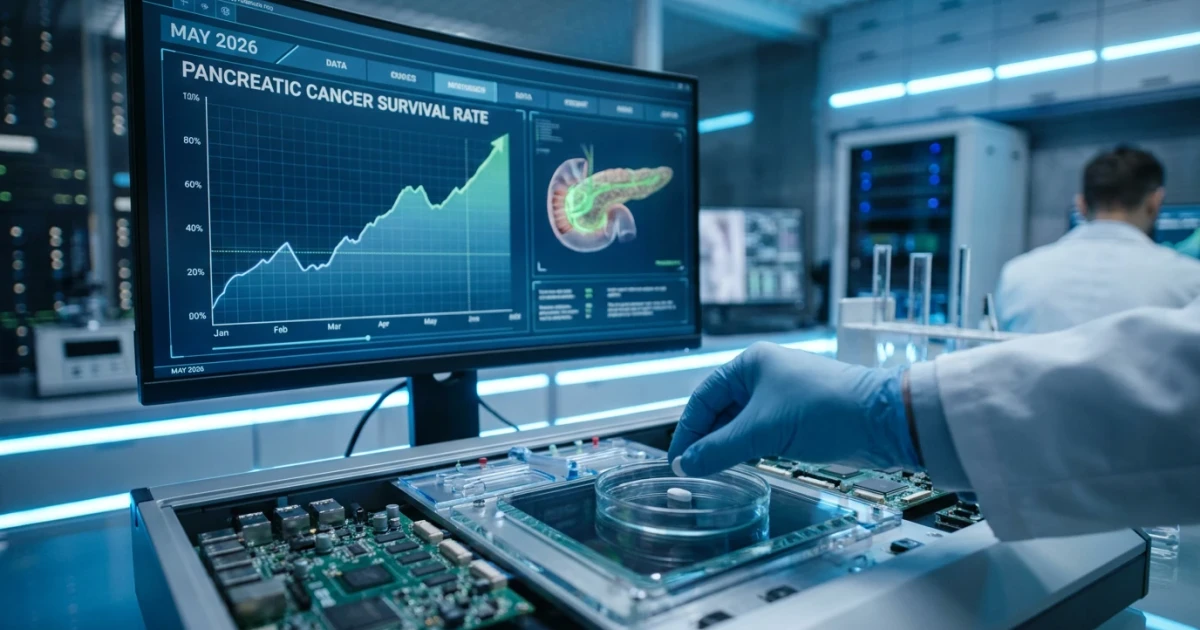
Pancreatic cancer, considered one of the world’s most deadly cancers due to its typically late diagnosis and aggressive progression, may soon have a new treatment option. According to The Guardian, a recent clinical trial has found that a daily pill can double the survival time for patients diagnosed with pancreatic cancer, marking what doctors are calling “unprecedented” results.
Breakthrough in Treatment
The trial’s findings highlight a significant advance in the fight against pancreatic cancer, which has long been associated with low survival rates and limited therapeutic options. Historically, the five-year survival rate for pancreatic cancer remains below 10%, as reported in data from the American Cancer Society.
- Patients in the trial who received the daily pill saw their survival times double compared to those receiving standard care.
- The Guardian describes the outcome as "unprecedented," noting the improvement over previous therapies.
- Pancreatic cancer is often diagnosed at an advanced stage, making effective new treatments particularly significant.
Clinical Trial Details and Impact
The results from this clinical study have prompted specialists to consider the pill’s potential not only for pancreatic cancer but also for other malignancies. The Guardian reports that oncologists are now evaluating the pill’s mechanism and whether it could benefit patients with other types of cancer.
The trial itself was conducted with a robust patient cohort, ensuring the findings are statistically significant. While specifics about the pill’s name and chemical composition were not disclosed in the Guardian’s initial coverage, the medical community’s response has been overwhelmingly positive, with many experts expressing hope for faster regulatory approval and wider clinical adoption.
Potential for Expanded Use
Doctors are now exploring if the drug could be repurposed or adapted for other cancers with similarly poor prognoses. The Guardian notes ongoing discussions about further trials and possible inclusion in official treatment protocols, which are regularly updated in resources such as the NCCN Clinical Practice Guidelines in Oncology.
Context: Pancreatic Cancer Survival and Research
Pancreatic cancer has defied most attempts at early detection and effective therapy. Global statistics from the WHO Global Health Observatory and the IARC Pancreatic Cancer Fact Sheet show consistently high mortality rates and a growing burden worldwide. Innovative treatments like this daily pill offer a glimmer of hope in a landscape often marked by grim statistics.
- Pancreatic cancer is the fourth leading cause of cancer death globally.
- Incidence rates are rising, especially in developed countries.
- Survival rates have improved only marginally over the past decades.
Next Steps for Patients and Physicians
With these trial results, there is renewed optimism among both patients and healthcare providers. Further clinical studies are anticipated, as well as discussions around integrating the pill into standard care. Interested readers can monitor ongoing and completed studies via ClinicalTrials.gov, which tracks official trial records and emerging therapies.
The Guardian’s coverage underscores the importance of ongoing research and collaboration, as specialists work to validate and expand upon these findings. While full regulatory approval and widespread access may take time, the trial’s outcome represents a major step forward for a cancer type long defined by limited options and poor prognosis.
Analysis and Outlook
Should further studies confirm the trial’s efficacy and safety, the daily pill could transform the standard of care for pancreatic cancer and potentially other difficult-to-treat malignancies. The medical community will be watching closely as more data emerges, and patients may soon have a new avenue of hope in their fight against this challenging disease.