Entertainment
Tribeca screens first fully AI-generated live-action feature film

A 75-minute docudrama made without actors, sets or cameras forced Tribeca into a new kind of conversation about what counts as filmmaking. Dreams of Violets, a fully AI-generated live-action feature from Fountain 0, screened at the 2026 Tribeca Festival as one of the clearest public tests yet of whether a major U.S. festival will legitimize synthetic cinema.
The film played June 10 at AMC 19th St. East 6 during a festival that ran June 3 to 14 in New York City and marked Tribeca’s 25th anniversary. Tribeca described the feature as set in Tehran in January 2026 and inspired by real events from 47 years of Iranian civilian resistance. Its synopsis follows five strangers as violence closes in around them, including a sequence in which Iranian forces execute wounded protesters and a soldier discovers the group hiding in a dead-end alley. The material also centers on Amir, a child in a wheelchair, anchoring the film in protest, survival and the human cost of repression.
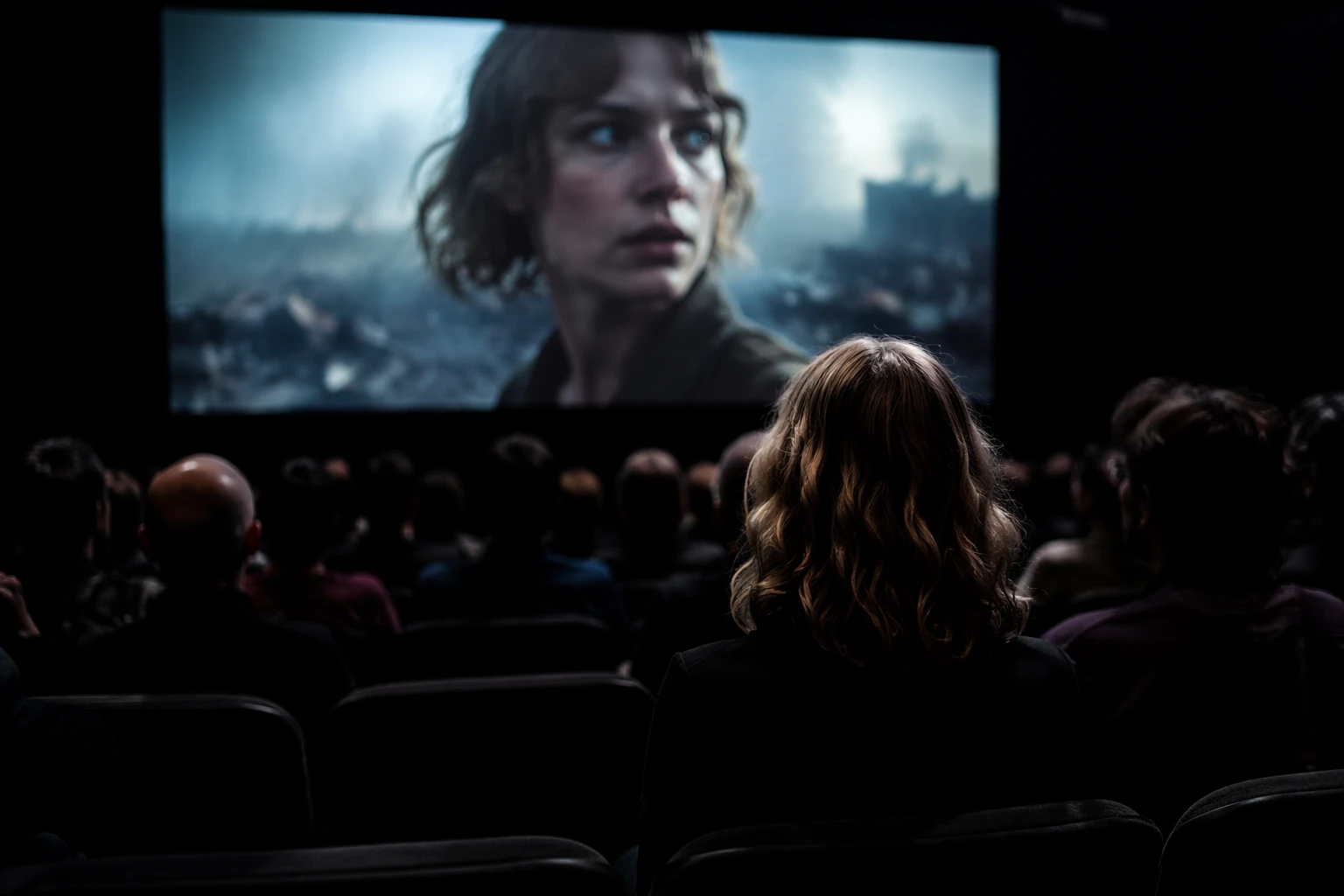
The project was created by brothers Ash Koosha and Pooya Koosha through Fountain 0. Multiple outlets reported that it cost about $2,000 and was completed in roughly two to three months, a scale that puts it far outside conventional film production. The result is not just a technical novelty but a direct challenge to the assumptions that usually govern labor, credit and craft in the movie business. If a feature can be assembled entirely by AI, the industry has to decide who the creative authors are, what work remains for human crews, and whether synthetic imagery belongs in the same category as traditional performance-driven filmmaking.
That question became sharper because the film’s political setting tied it to real-world repression, not abstract science fiction. Backlash and boycott calls followed Tribeca’s programming announcement, and some critics objected to a synthetic film about Iranian suffering being placed on a prestigious festival stage. Jane Rosenthal defended the screening, arguing that the film should be seen in the current moment. Her response underscored Tribeca’s self-image as a home for politically, culturally and socially relevant work by diverse storytellers, even when that work unsettles the boundaries of authorship.
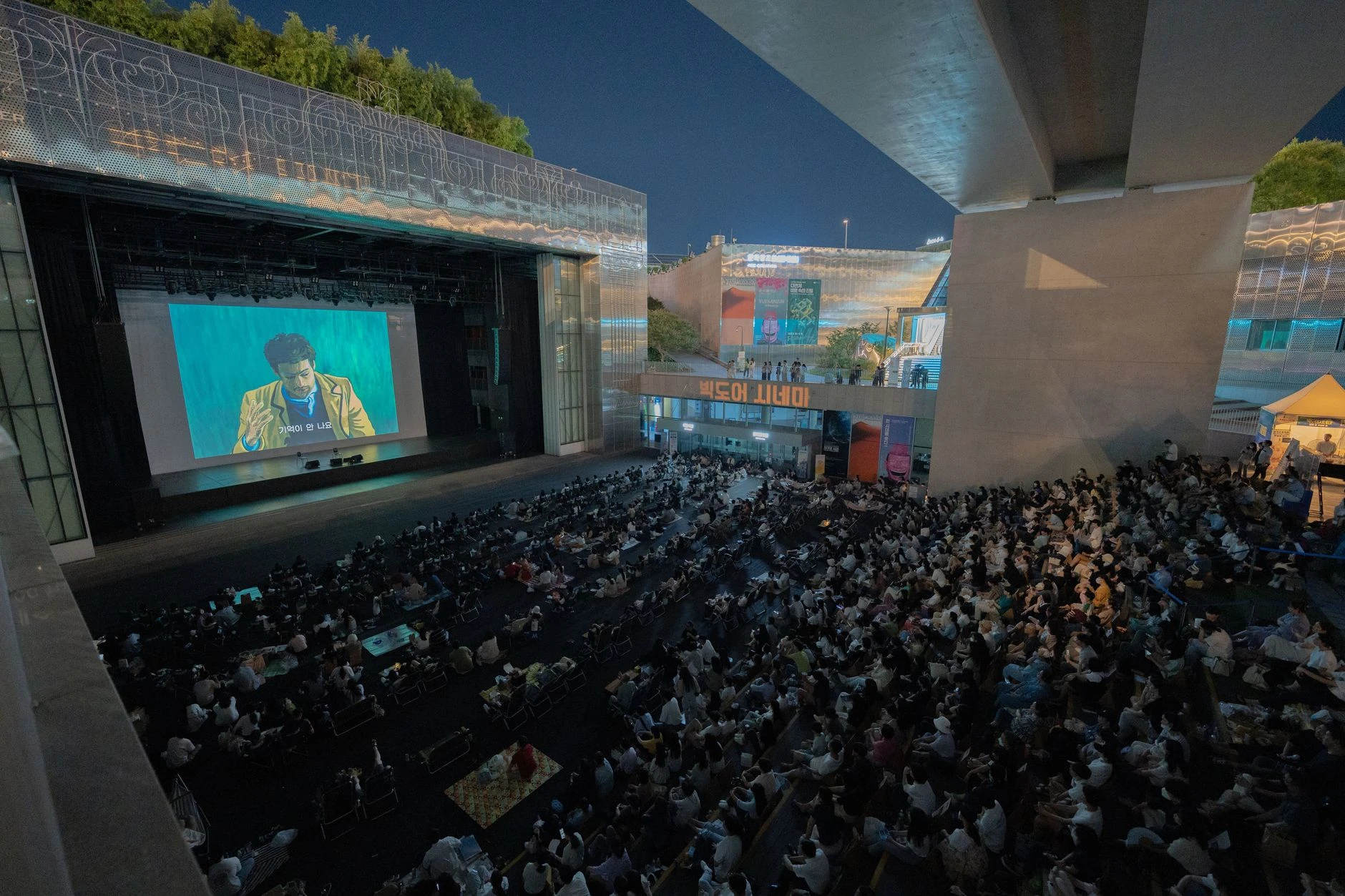
For Tribeca, the premiere signaled a willingness to platform boundary-pushing experiments at a moment when studios, creators and unions are still fighting over AI’s role in production. For the broader film business, Dreams of Violets suggested that AI is moving from behind-the-scenes assistance into full narrative authorship. The larger market question is no longer whether synthetic filmmaking can be done, but whether festivals and audiences will treat it as a curiosity, a business model or the first draft of a new production economy.
Sources
- [1]reutersconnect.com
- [2]tribecafilm.com
- [3]variety.com
- [4]deadline.com
- [5]hollywoodreporter.com
- [6]independent.co.uk
- [7]aol.com