US News
Tropical Storm Bertha threatens Gulf Coast with heavy rain and storm surge
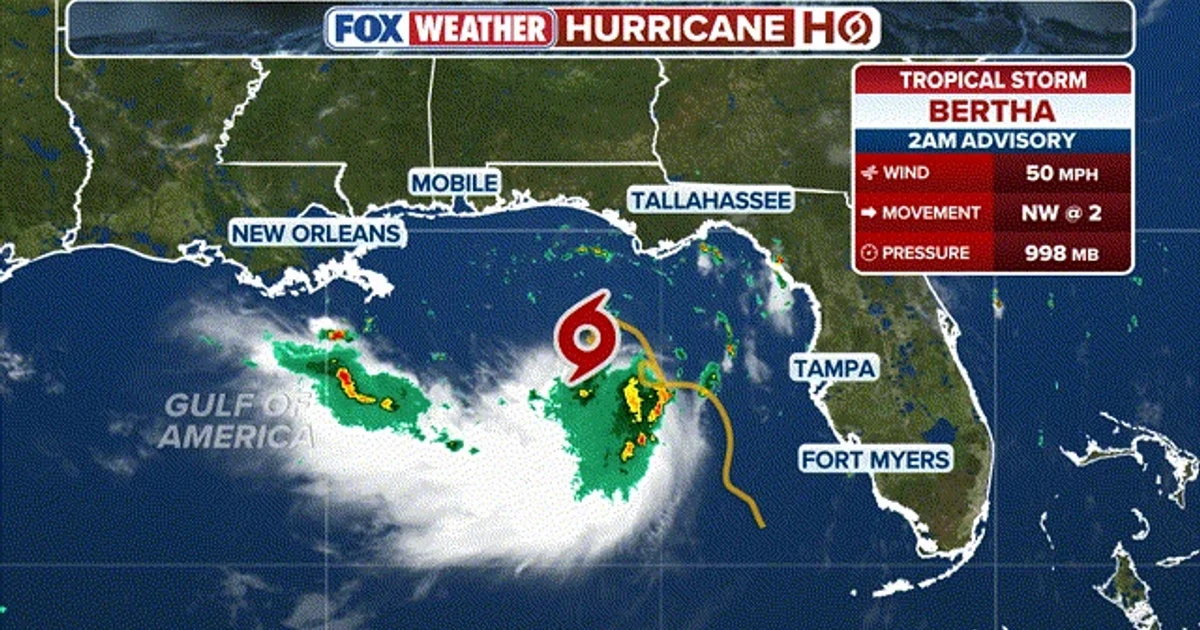
Tropical Depression Two strengthened into Tropical Storm Bertha as it organized in the northeast Gulf, putting Florida, Louisiana and Texas in the path of heavy rain, storm surge and tropical-storm conditions. The system was the Atlantic hurricane season’s second named storm, a fast-moving development that turned a low-pressure area into an immediate coastal threat.
The National Hurricane Center had tracked the disturbance as Tropical Depression Two before it tightened further, and one forecast outlook gave it an 80% chance of becoming a tropical depression or tropical storm within 48 hours before it formed. That short fuse left Gulf Coast communities, ports and energy operators facing a narrow window to secure equipment, adjust schedules and prepare for interruptions that can begin long before landfall.
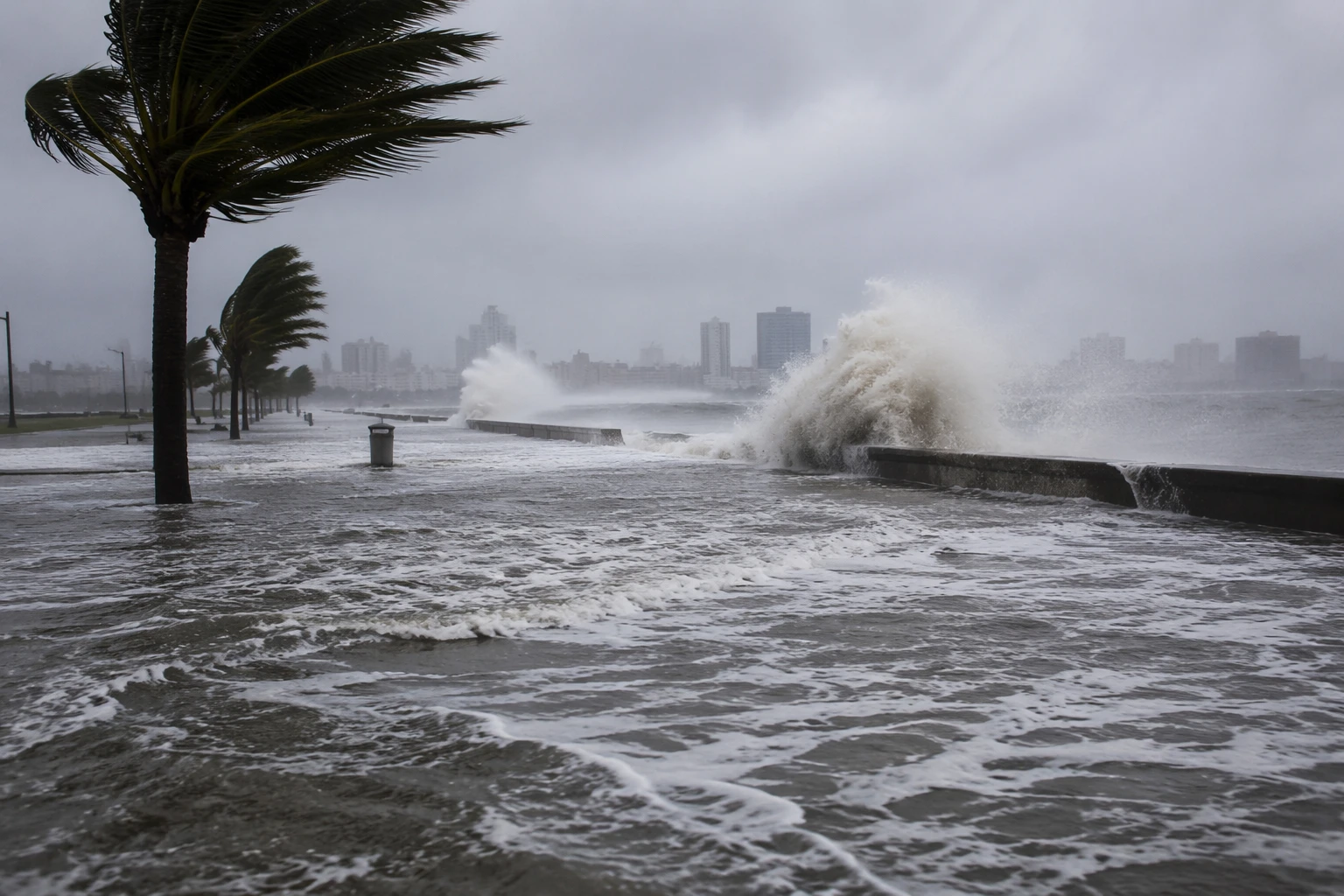
Bertha was expected to affect much of the Gulf Coast, with impacts stretching from Florida to Louisiana and Texas. Forecasters said the storm could bring days of rain and storm surge along parts of the coast, a combination that can flood roads, slow evacuations and force temporary shutdowns at ports handling cargo, fuel and other critical freight. Even a weaker tropical system can create serious logistics problems when heavy rain arrives in repeated bands and tides rise onshore.

The broader season offered little comfort. The Atlantic hurricane season runs from June 1 through November 30, and NOAA had predicted a below-normal 2026 season. Weather outlooks had also said the year could be one of the least active in more than a decade because of strengthening El Niño conditions. Still, forecasters have repeatedly warned that a quieter season does not remove the danger from one well-placed storm.
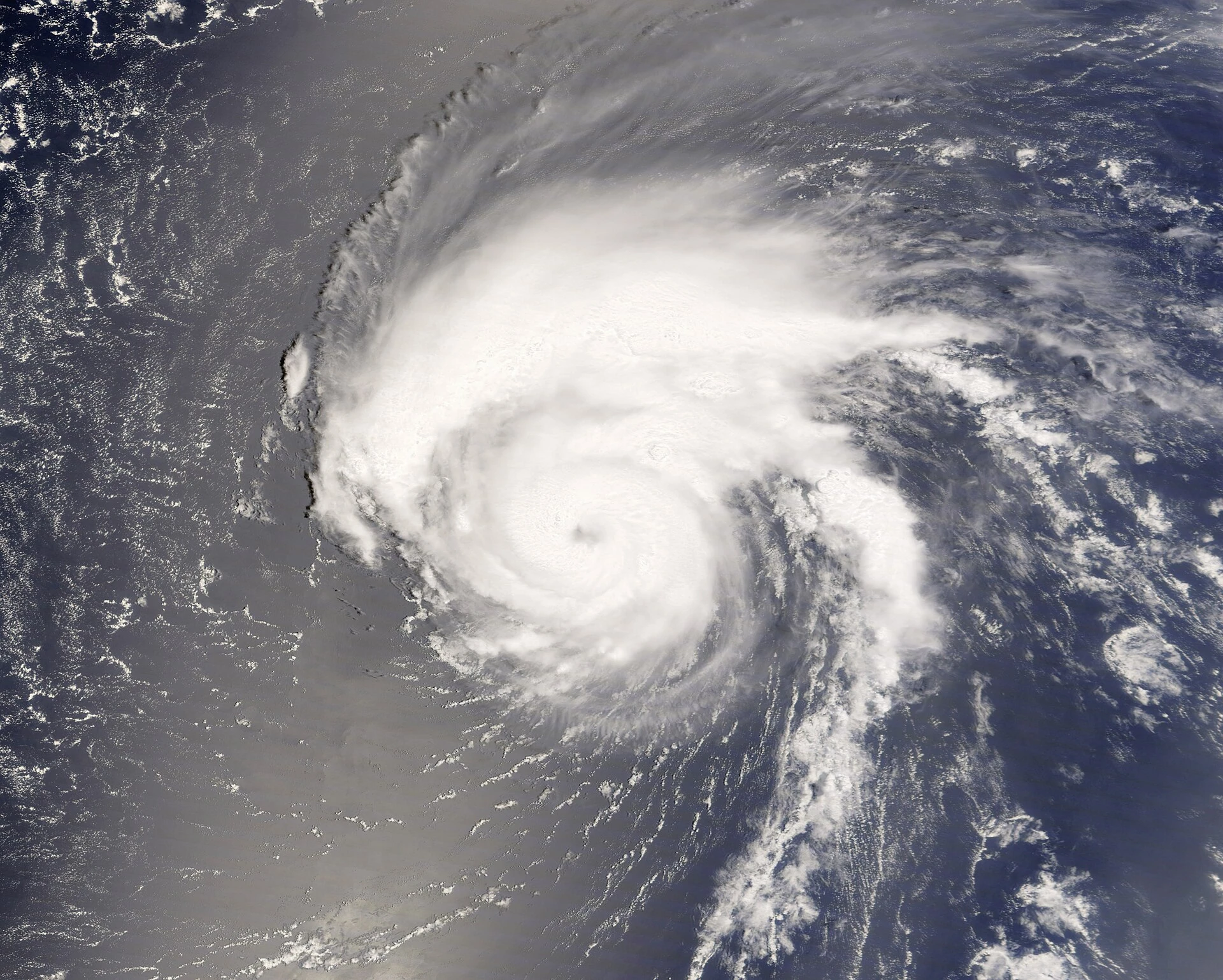
Bertha’s quick spin-up showed how fast that danger can reach the Gulf. In the next 24 to 48 hours, the key question for coastal Texas, Louisiana and Florida was not whether the season would be busy, but how much rain, surge and disruption one storm could deliver before the forecast changed again.
Sources
- [1]cbsnews.com
- [2]nytimes.com
- [3]weather.com
- [4]cnn.com
- [5]foxweather.com
- [6]nhc.noaa.gov
- [7]noaa.gov