World
Tropical storm drenches Taiwan and Japan, shuts schools and transport
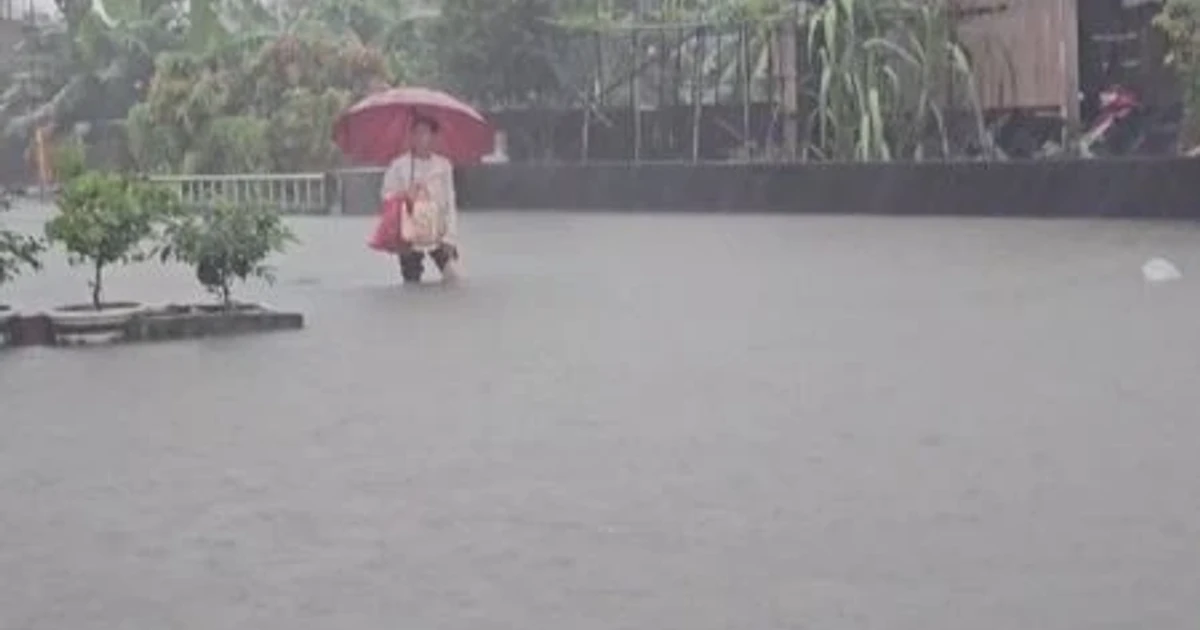
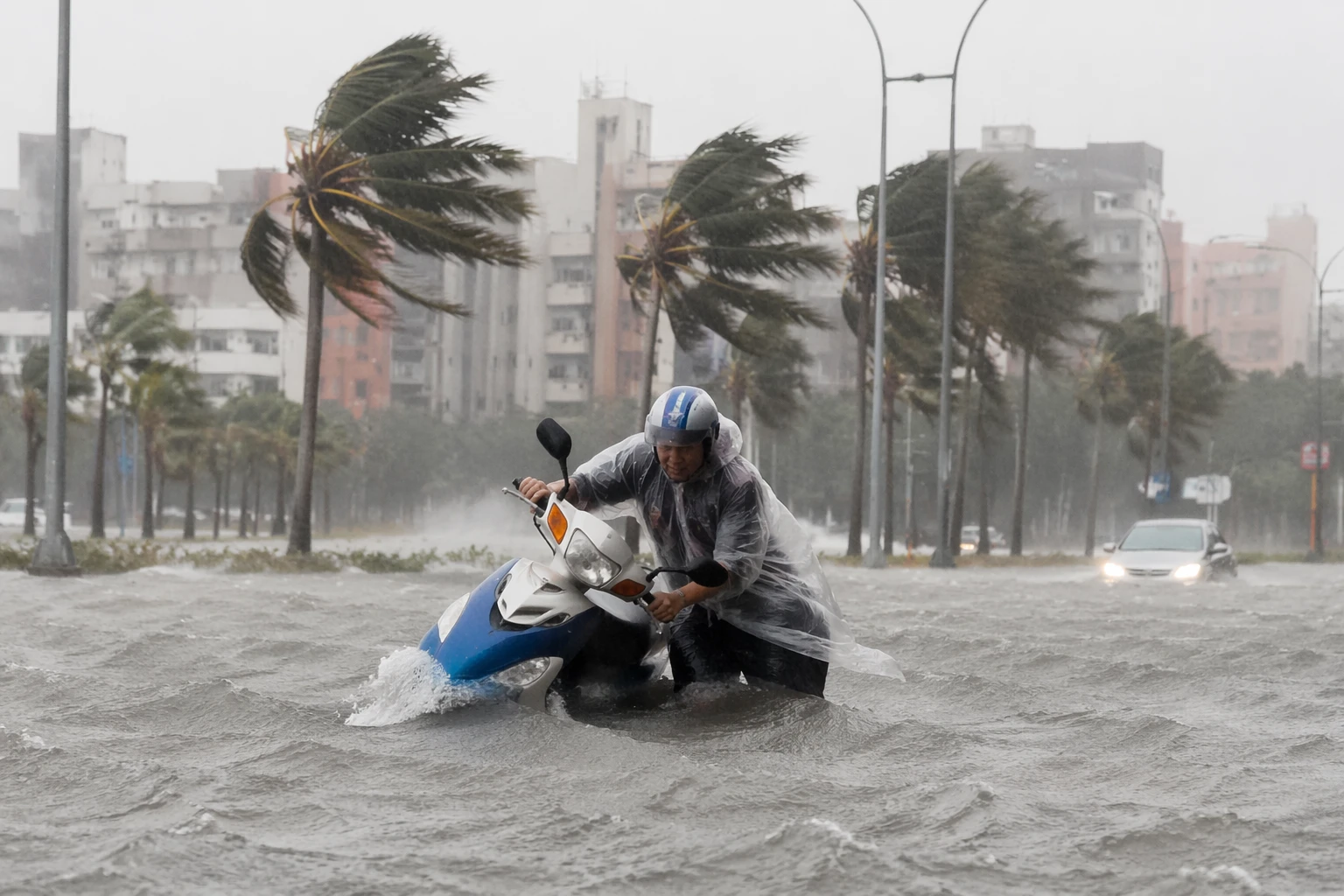
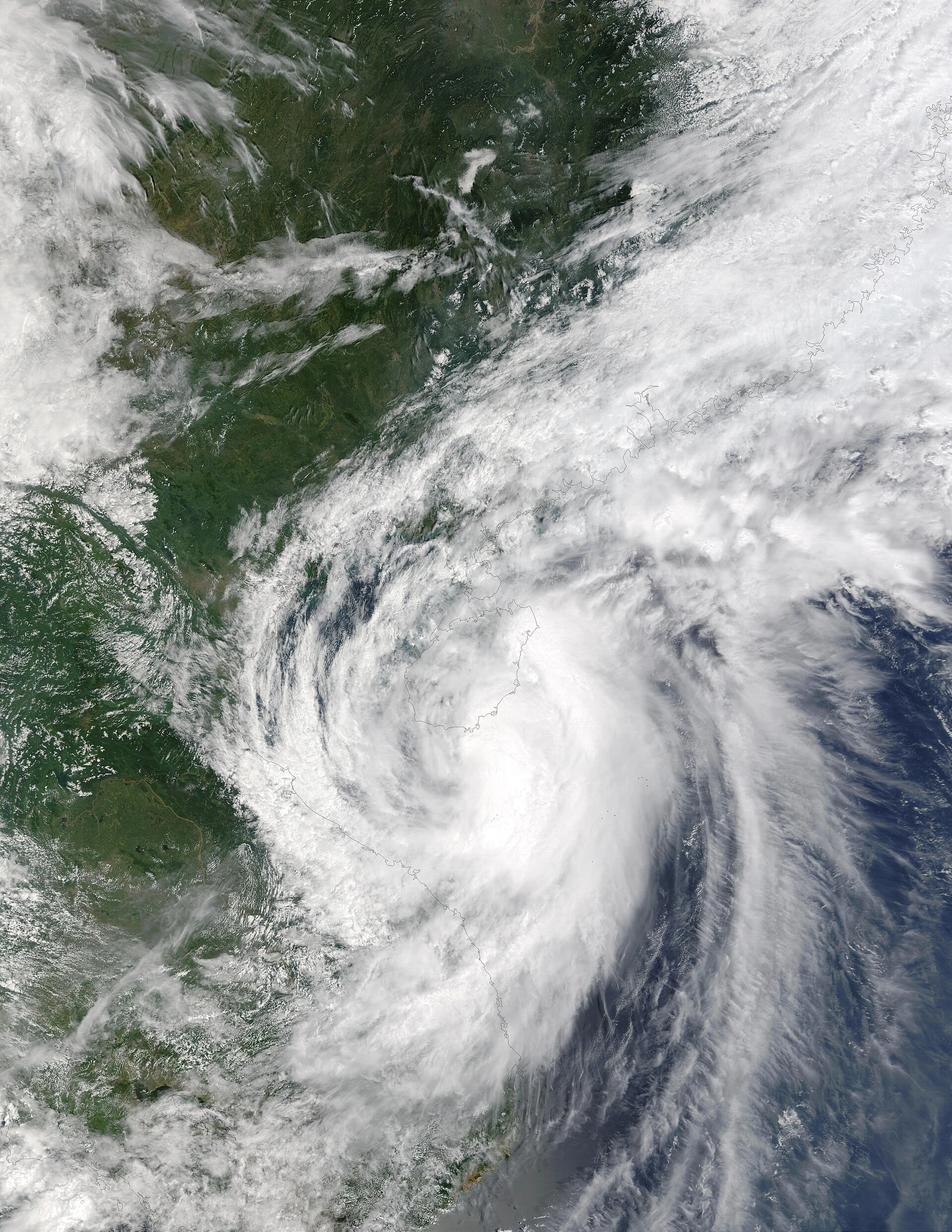
Torrential rain from Tropical Storm Mekkhala paralyzed daily life across southern Taiwan and large parts of Japan, closing schools, halting trains and forcing mass evacuations even though the system never made a direct hit on Taiwan.
In Taiwan, local governments in Kaohsiung, Tainan and Pingtung ordered offices and schools closed, putting more than 5 million people off work or school. Flooding in Tainan cut a section of the island’s main north-south railway line, a sharp reminder of how quickly heavy rain can sever a transport corridor that links the south to the rest of Taiwan. Although Mekkhala did not make landfall, its outer bands dumped enough rain to trigger emergency action across the south.
Officials in Hualien County also moved fast as water backed up behind a barrier lake in the mountains, evacuating nearly 200 residents from two townships downstream of the lake. Barrier lakes form when landslides or rock falls dam a river, and Taiwan’s recent experience made the risk plain. In September 2025, a barrier lake on the Mataian River burst during Super Typhoon Ragasa in Hualien County’s Guangfu Township, killing at least 19 people. That disaster loomed over the latest evacuation order and helped explain why authorities treated the lake threat as urgent even without any reported casualties.
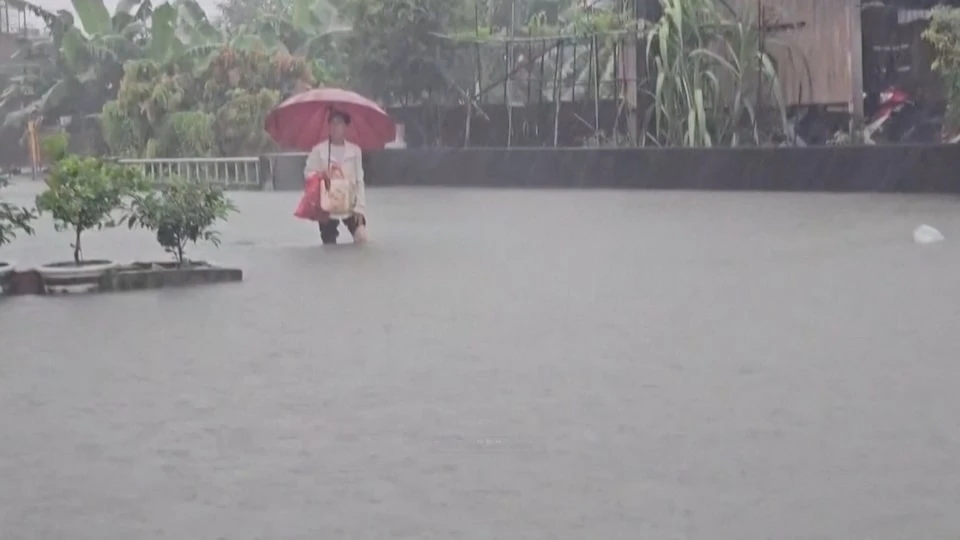
Japan faced a separate but connected emergency as the same weather pattern intensified over the archipelago. The Japan Meteorological Agency blamed a stationary seasonal rain front fed by warm, moist air for the heavy rainfall, and authorities issued warnings for flooding, landslides and swollen rivers across western and southern regions. Japan’s land ministry said more than 200 flights were cancelled, dozens of train lines were halted and many expressways were closed, while evacuation orders covered 2.2 million residents.
The storm also reached industry. Toyota suspended operations at a factory in southern Kyushu from Thursday afternoon through the first shift on Friday, with a later decision pending on the second shift. In both Taiwan and Japan, the disruption showed how a passing storm can upend schools, transport and industrial output without making a direct strike, especially when extreme rain arrives on top of already vulnerable terrain and infrastructure.
Sources
- [1]srnnews.com
- [2]aol.com
- [3]malaymail.com
- [4]taipeitimes.com
- [5]straitstimes.com