Sports
Trossard double lifts Belgium over New Zealand in World Cup group play
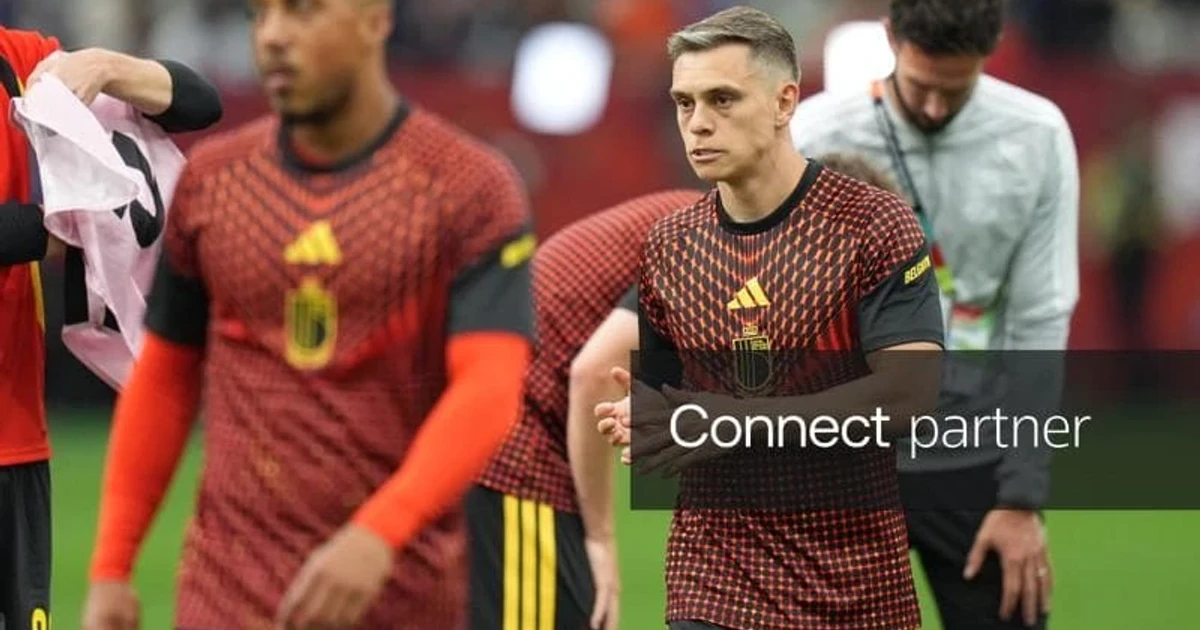
Leandro Trossard’s double gave Belgium the edge in Vancouver, with the second goal arriving in the 50th minute after he pounced on a rebound inside the penalty area. New Zealand’s attempted clearance only kept the move alive, and Trossard made the kind of ruthless finish that has separated top sides in tight World Cup group games.
The result came in the final Group G fixture of the FIFA World Cup 2026 at BC Place on June 27, with kickoff set for 03:00 local time. FIFA framed the match as a meeting of two continental powers, and the stakes were clear: the winners of Group G were due to move on to Seattle to meet a third-placed team, while the runners-up would travel to Dallas for a meeting with the second-place finishers from Group D.
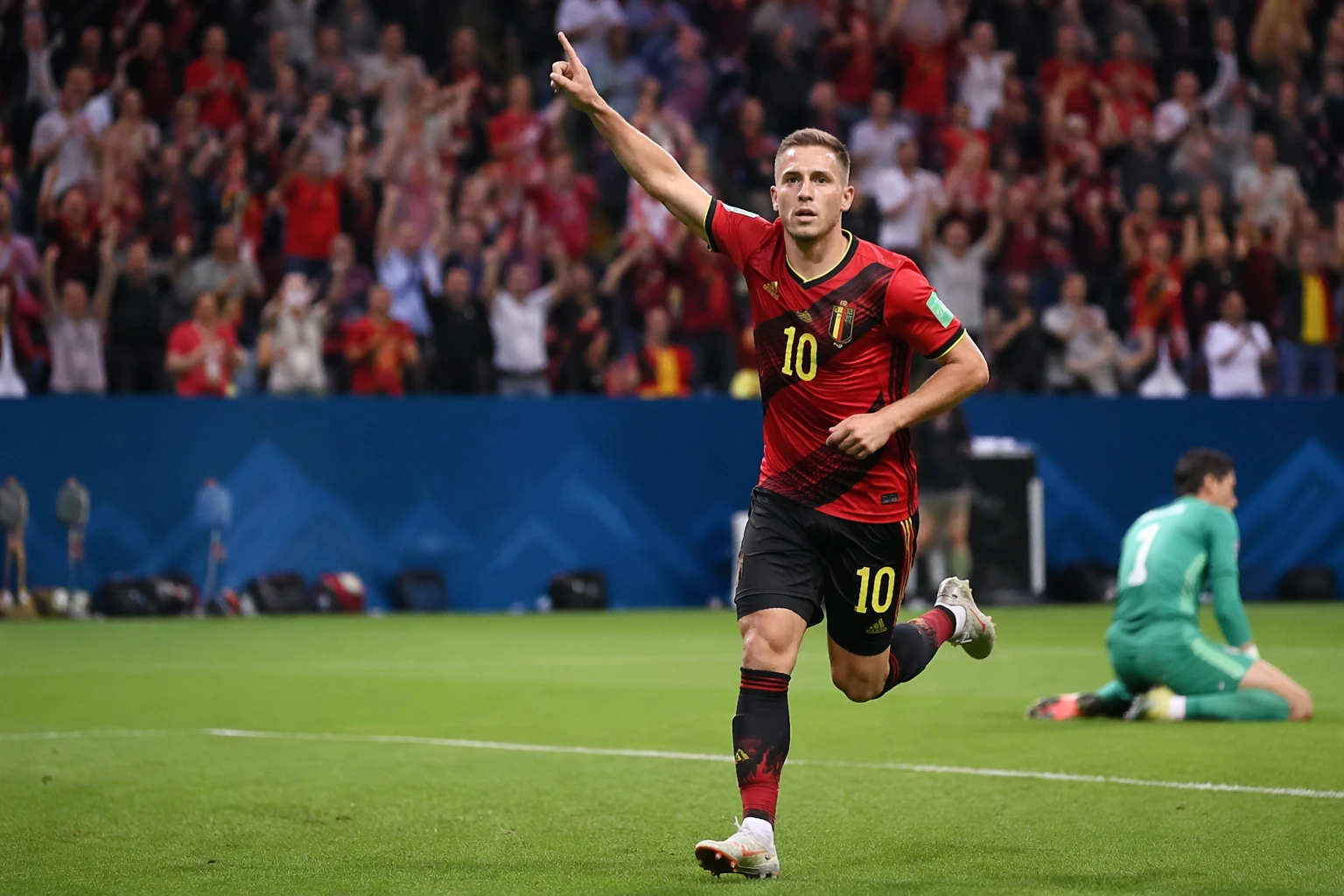
Belgium arrived in its 15th World Cup finals, with Rudi Garcia in charge and a squad built around Kevin De Bruyne, Romelu Lukaku, Youri Tielemans, Jeremy Doku and Trossard. UEFA’s tournament page placed Belgium in a group that also included Egypt, IR Iran and New Zealand, while FIFA’s match centre listed the closing fixture against New Zealand at BC Place in Vancouver.
The context made Trossard’s brace more than a personal haul. Belgium had already been held to a 0-0 draw by IR Iran on Matchday 2, a result that increased the pressure on Garcia’s side to produce a clean, efficient performance when the group reached its last round of matches. In that setting, Trossard’s instinct on broken play mattered as much as any elaborate build-up.

New Zealand, back at a World Cup for the first time since 2010, arrived with a chance to test Belgium’s defensive concentration and withstanding power. Instead, Belgium’s attacking depth and quick reactions around the box did the damage, showing how a team loaded with established names can still decide a match by reacting faster to loose balls, half-clearances and defensive hesitation. The second goal was not just a finish; it was a snapshot of Belgium’s ability to punish any lapse when the space opens for a split second.
Sources
- [1]telemundo.com
- [2]fifa.com
- [3]uefa.com