World
Truck bomb outside Colombia police base injures 11, kills dog
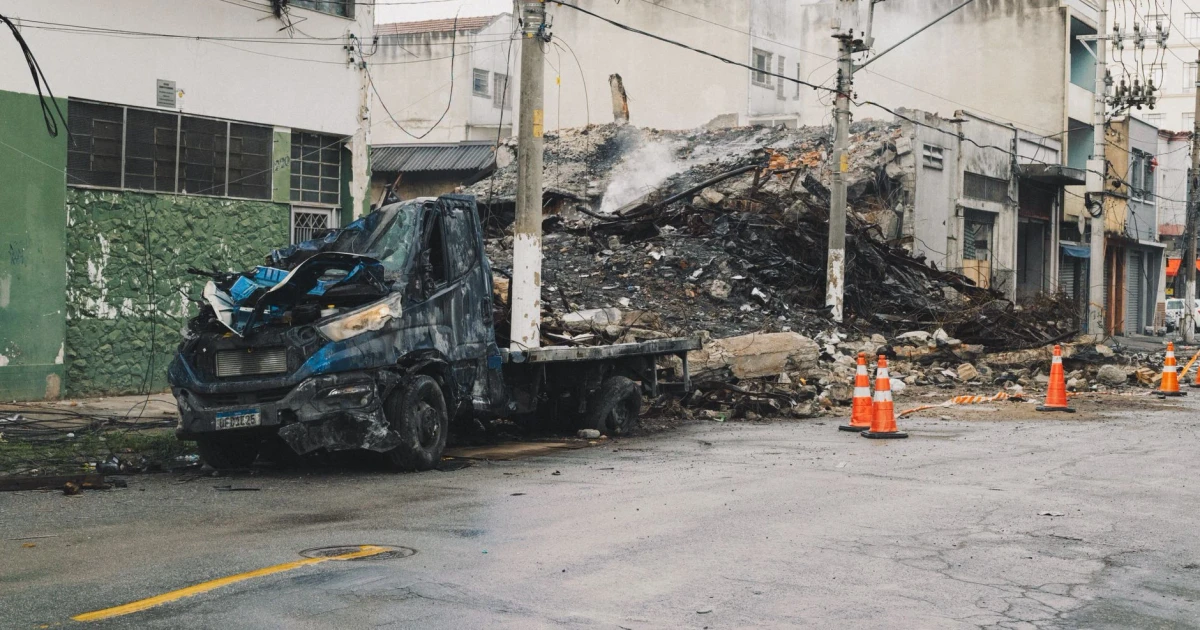
A truck packed with explosives blew up outside a police base in Cúcuta, injuring 11 police officers and killing a police dog in a strike that landed six days before the inauguration of president-elect Abelardo de la Espriella. The pre-dawn blast damaged the station’s roof and shattered its windows in the border city on Colombia’s frontier with Venezuela.
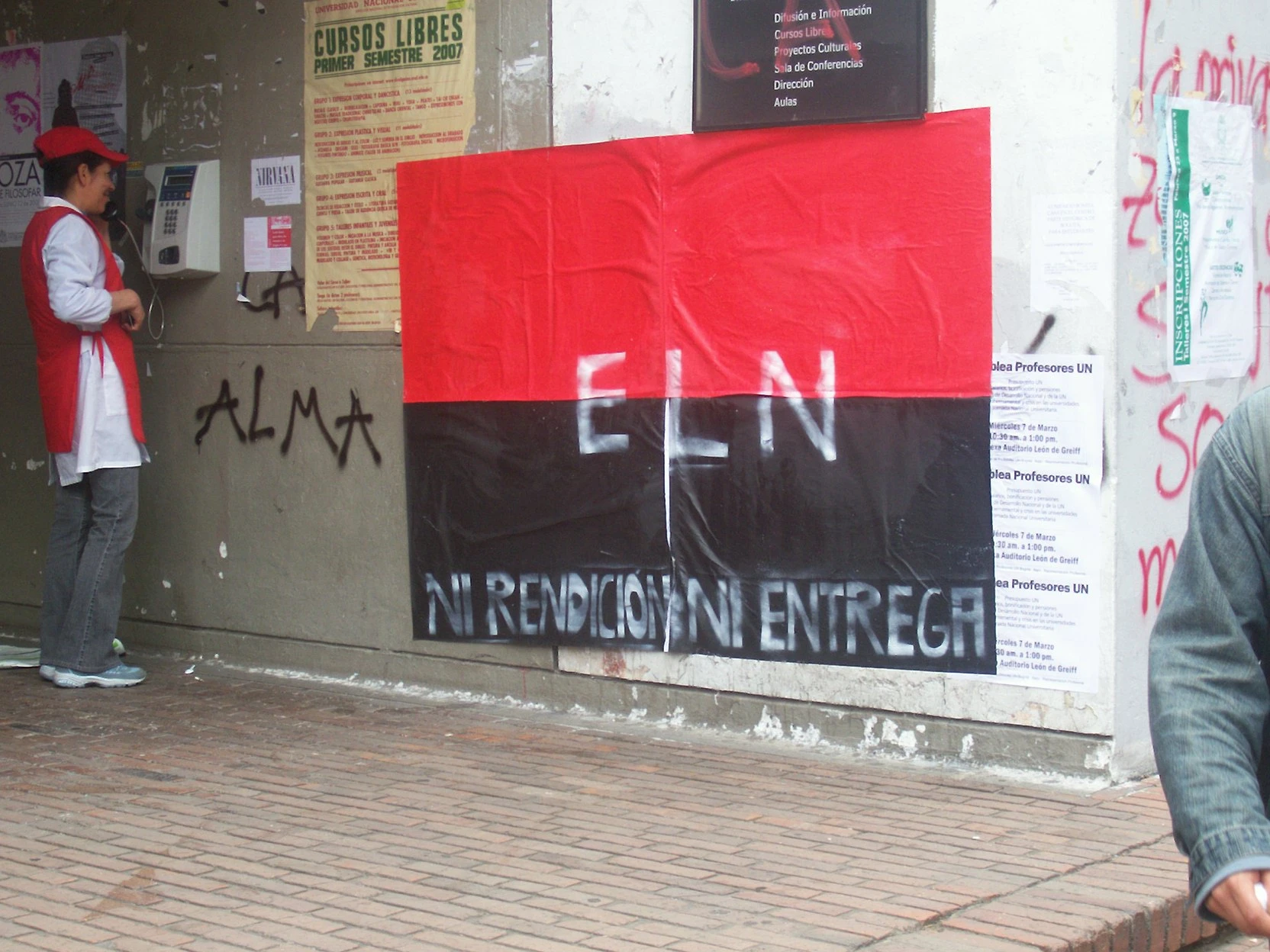
Colombia’s government blamed the National Liberation Army, or ELN, the country’s largest remaining rebel group, for the attack. Defence Minister Pedro Sánchez offered a US$60,000 reward for information as police moved to identify the explosive device and determine who carried it out.
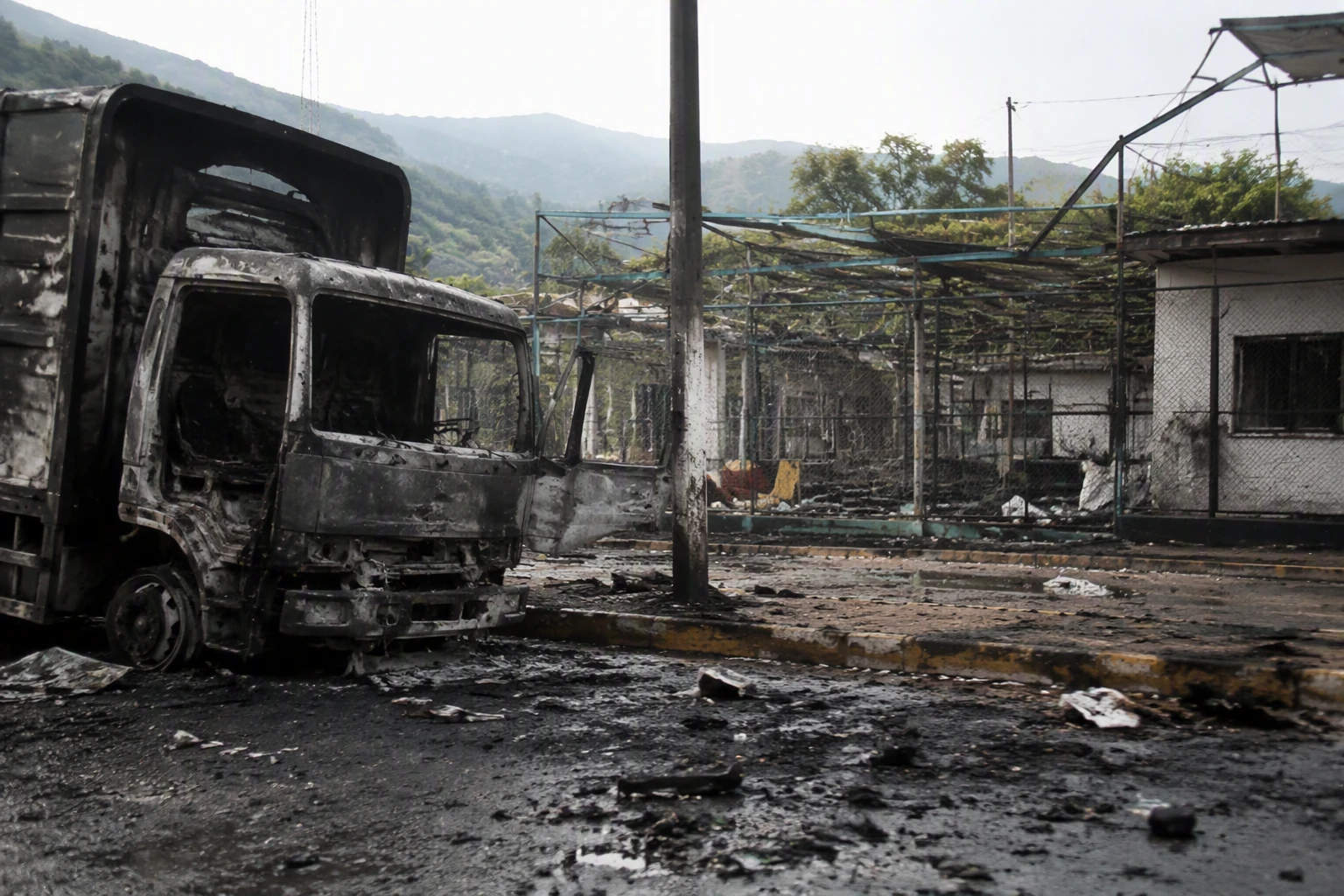
The attack hit one of the clearest symbols of state authority. Police bases and stations are meant to project control in areas where armed groups still challenge the government, and an explosion outside a facility like this turns that mission into a visible vulnerability. The killing of the police dog added to the sense of loss, because dogs are part of routine law enforcement work, used to detect explosives, narcotics and weapons.
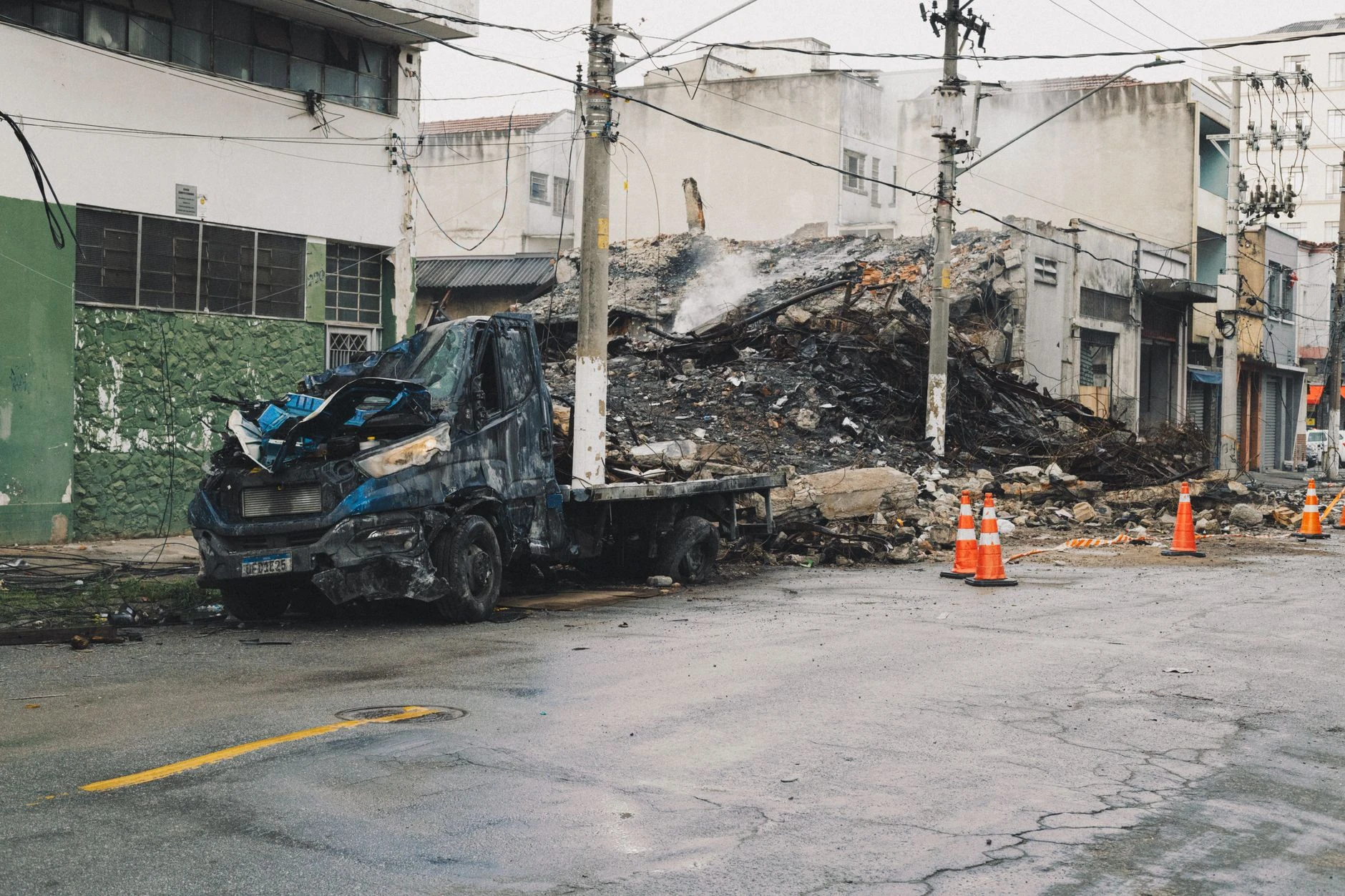
The blast also fits into a broader pattern of insecurity that Colombia has struggled to contain for decades. Armed groups, insurgencies, criminal networks and splinter factions continue to test the state’s reach, especially in places where border traffic, local crime and political violence can overlap. In Cúcuta, a city that sits directly on the Venezuela border, an attack on a police installation has consequences beyond the station itself because it raises pressure on cross-border security and adds to instability along a frontier already watched closely for migration and movement of people.
The timing gave the bombing added political weight. With a new president-elect due to take office soon, the assault sharpened the sense that Colombia’s security strategy is still under strain and that armed groups can still strike even at heavily marked state targets. That makes the Cúcuta bombing more than a single act of violence: it is another test of whether the government can protect its forces, secure border cities and stop armed groups from turning local attacks into national crises.
Sources
- [1]apnews.com
- [2]wral.com
- [3]cbsnews.com
- [4]france24.com
- [5]independent.co.uk
- [6]itv.com
- [7]thehindu.com