Entertainment
Trump, 79, Cites Dislike for Halftime Performers as Reason for Skipping Super Bowl
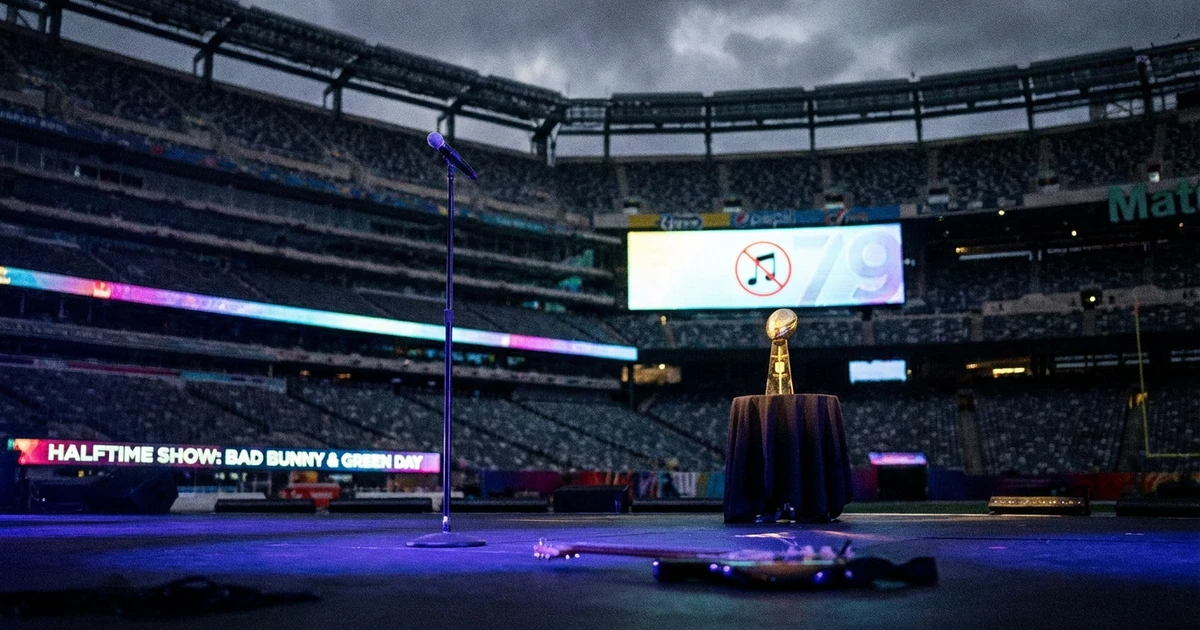
Donald Trump, the former President and current 2024 Republican frontrunner at age 79, has sparked fresh headlines by announcing he will not be attending or watching this year's Super Bowl—and his reason is as pointed as ever. Trump openly criticized the scheduled halftime performers, Bad Bunny and Green Day, declaring himself "anti-them" in a statement to The Post, as widely reported by The Daily Beast.
Trump's Public Rejection of Halftime Acts
While many prominent figures use the Super Bowl as both a social and political platform, Trump's decision to skip one of the year's most-watched events stands out. His stated opposition centers not on the game itself, but on the entertainment lineup. This year's halftime show features international music sensation Bad Bunny and iconic rock band Green Day, both known for their broad appeal and outspoken political stances.
- Bad Bunny is a chart-topping Latin artist with global influence and a vocal advocate for progressive causes.
- Green Day is an American punk-rock band long associated with political commentary and activism.
Trump's comments align with his history of criticizing celebrities and artists with whom he disagrees, particularly those who have expressed opposition to his policies or persona.
Super Bowl and Cultural Flashpoints
The Super Bowl halftime show regularly draws scrutiny for its performers and messaging, often becoming a cultural flashpoint. Previous years have seen debates over the appropriateness and political undertones of performances, with high-profile acts using the stage to spotlight social issues.
By singling out Bad Bunny and Green Day, Trump positions his absence as a form of protest, reinforcing his alignment with voters skeptical of mainstream entertainment and what they perceive as Hollywood’s political leanings.
Public and Media Reaction
Trump’s remarks have attracted widespread attention, with various outlets highlighting the former president’s tendency to court controversy and challenge popular cultural events. The Daily Beast described his explanation as a "deranged excuse," underscoring the dramatic language often surrounding Trump’s public statements.
The intersection of politics, entertainment, and sports continues to be a defining theme of the Super Bowl’s cultural presence, and Trump’s decision ensures this year is no exception. His vocal disapproval of the halftime performers has reignited debates about the role of celebrities in political discourse and the extent to which major sporting events reflect broader societal divides.
Looking Ahead: Super Bowl Spotlights Entertainment Choices
This year’s Super Bowl will proceed without Trump’s viewership, but with Bad Bunny and Green Day set to perform, the halftime show is likely to attract high ratings and further discussion. As the event draws near, attention will remain focused on both the football and the ongoing debates about entertainment, politics, and public figures making statements through their choices of participation—or absence.
For more on the Super Bowl’s schedule and entertainment lineup, visit the official NFL Super Bowl page.