Politics
Trump accused of turning U.S. intelligence into political misinformation tool
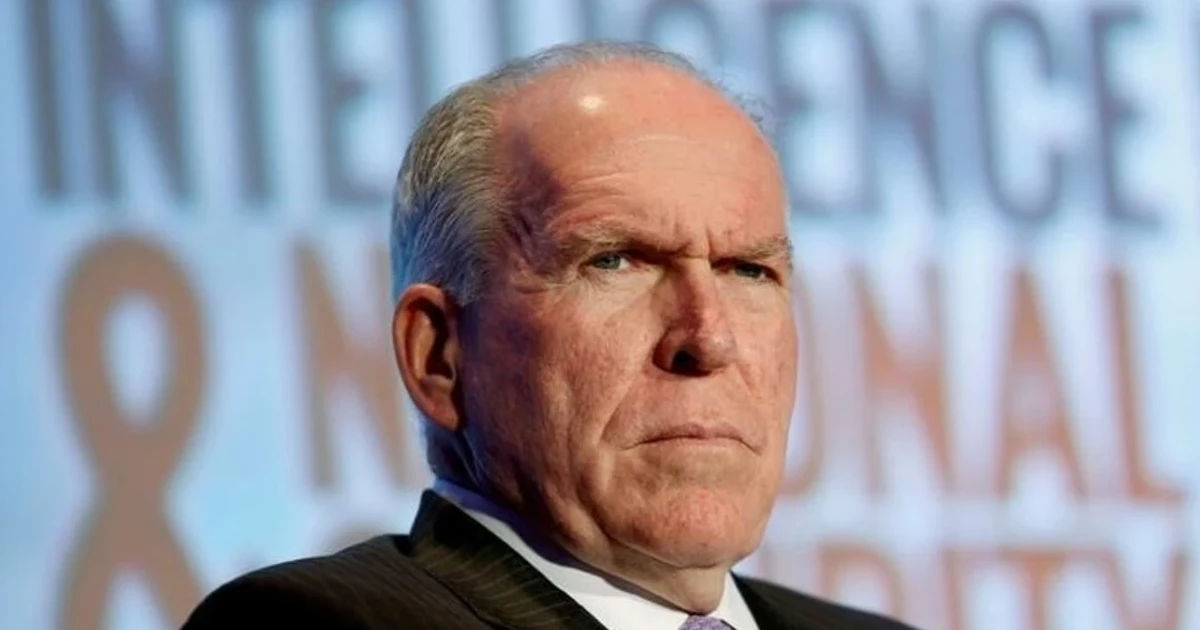
Donald Trump’s revocation of former CIA Director John Brennan’s security clearance, along with his public attacks on intelligence findings about Russian interference, sharpened fears that U.S. intelligence was being pushed into political messaging. Trump also publicly mocked a report on Russia’s role in the 2020 campaign as Democratic disinformation, deepening concern that assessments meant for national security were being recast as partisan ammunition.
The fight reaches back to one of Washington’s most important oversight episodes. The Senate Select Committee to Study Governmental Operations with Respect to Intelligence Activities, known as the Church Committee, was established by Senate resolution on Jan. 27, 1975, and issued its final report on April 29, 1976. That investigation remains a benchmark for congressional scrutiny of intelligence secrecy and abuse, and its existence still frames how lawmakers think about the balance between protecting sources and preserving democratic accountability.
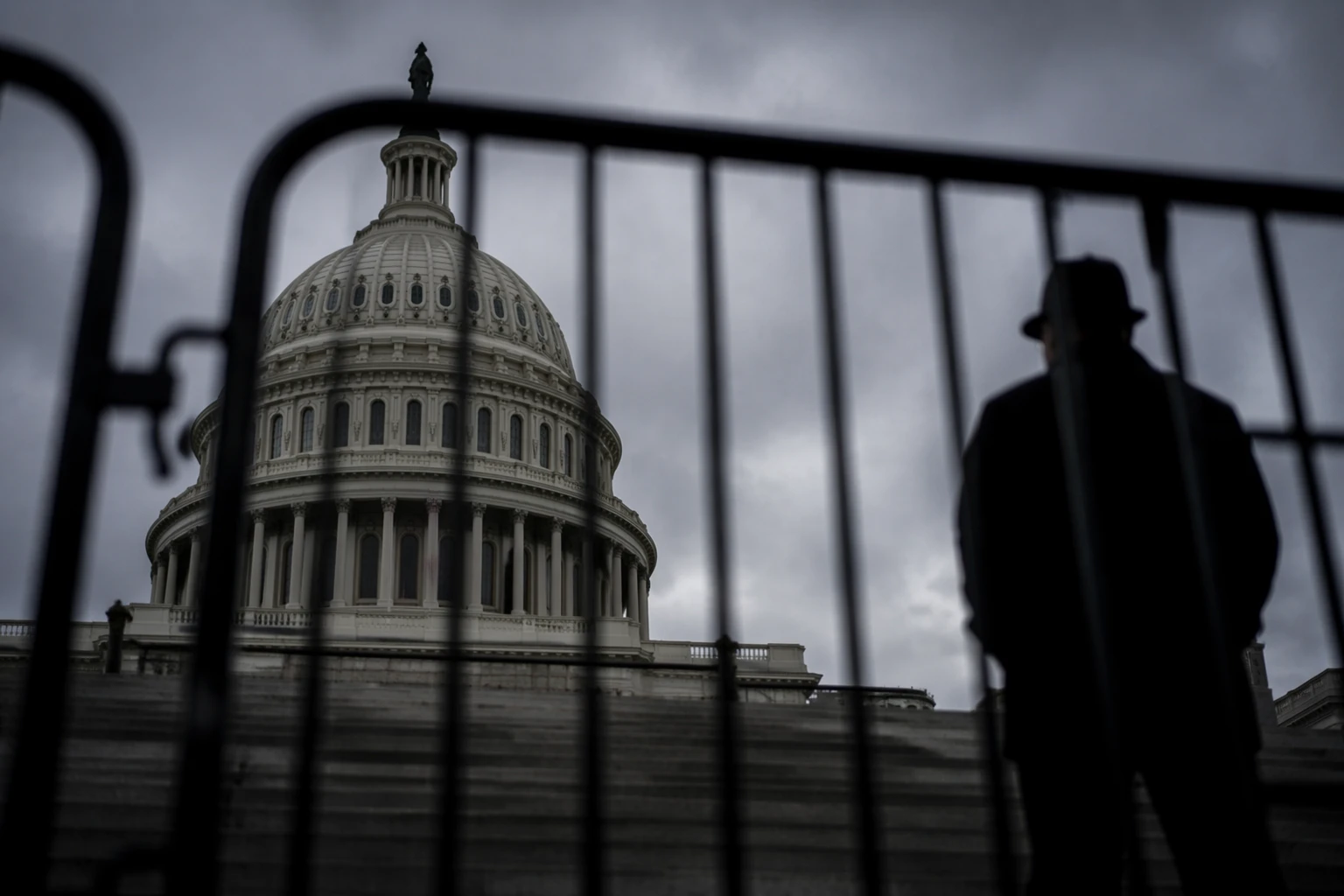
The present debate is not simply about whether secrets should be exposed. Recent Lawfare commentary, including Pulling Reports, Playing Politics, The Dangers of the Trump-Brennan Confrontation, Why Americans Don’t Trust the Intelligence Community, The Strategic Disclosure of Intelligence Requires Stronger Guardrails and Trump Wants Answers on the Pandemic’s Origins. Politicizing Intelligence Won’t Help, has argued that selective disclosure can become political theater if it is not tied to disciplined standards. The Council on Foreign Relations has warned that politicization threatens the integrity of U.S. intelligence assessments and can endanger national security. A RAND commentary, Truth Decay and National Security, published Aug. 1, 2023, added to that concern by linking public distrust to broader security risks.

Former intelligence and law enforcement officials have said Trump’s remarks about accepting foreign dirt on political opponents could hamper efforts to combat foreign interference. That warning goes to the heart of how the system is supposed to work: analysts inside the intelligence community are meant to assess threats without pressure from the White House, while Congress, including the Senate Select Committee on Intelligence and the House Permanent Select Committee on Intelligence, is supposed to police abuse and secrecy.
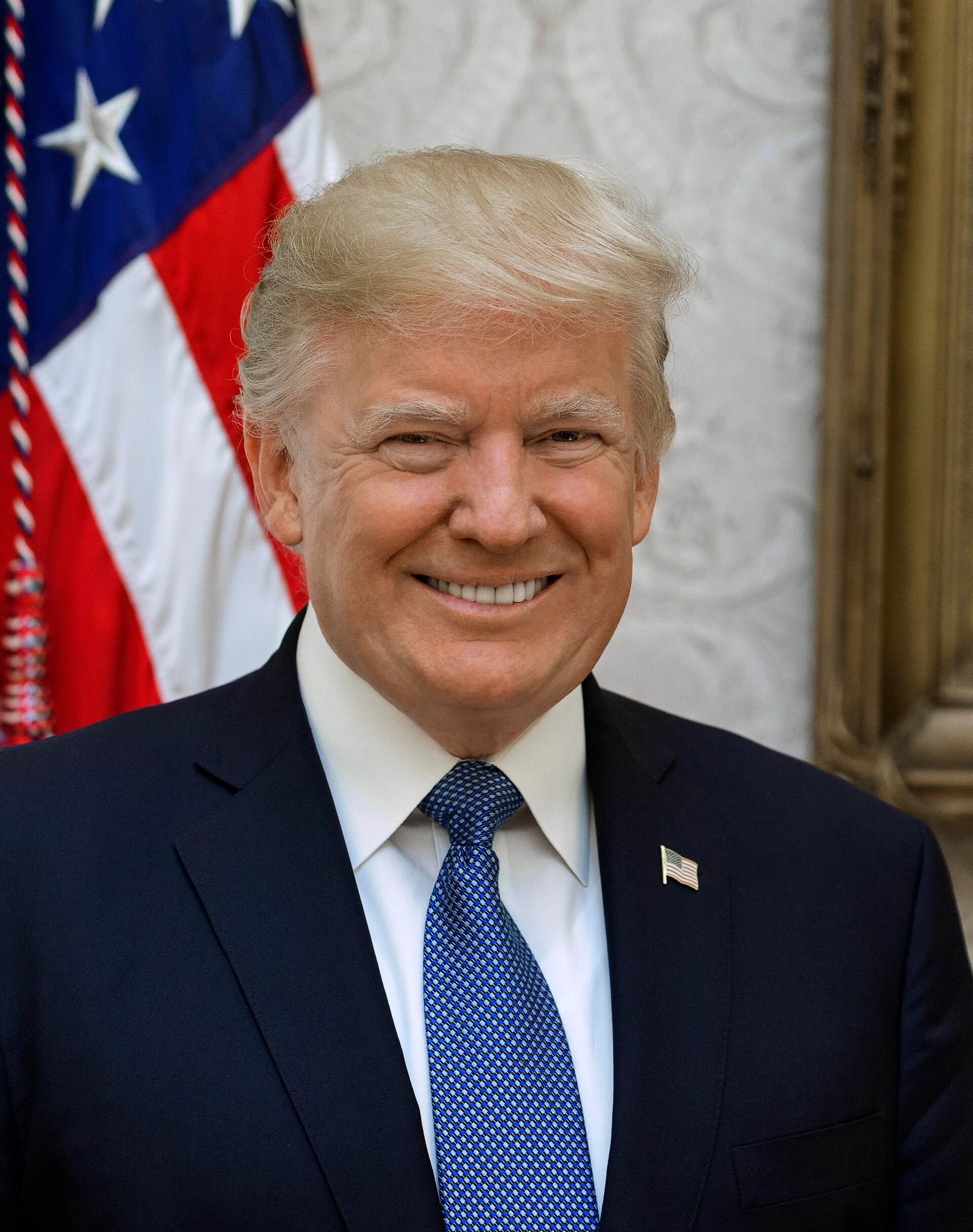
Analysts also acknowledge that overclassification and excessive secrecy can obscure real failures. But they argue that releasing intelligence without guardrails can replace concealment with propaganda, eroding trust in the CIA, the Office of the Director of National Intelligence and the broader intelligence community just when the next national security crisis demands credible, independent analysis.
Sources
- [1]nytimes.com
- [2]eprints.whiterose.ac.uk
- [3]lawfaremedia.org
- [4]cfr.org
- [5]intelligence.senate.gov
- [6]senate.gov
- [7]thehill.com
- [8]abcnews.com
- [9]rand.org