Politics
Trump accuses China of meddling in 2020 election, defying US intelligence
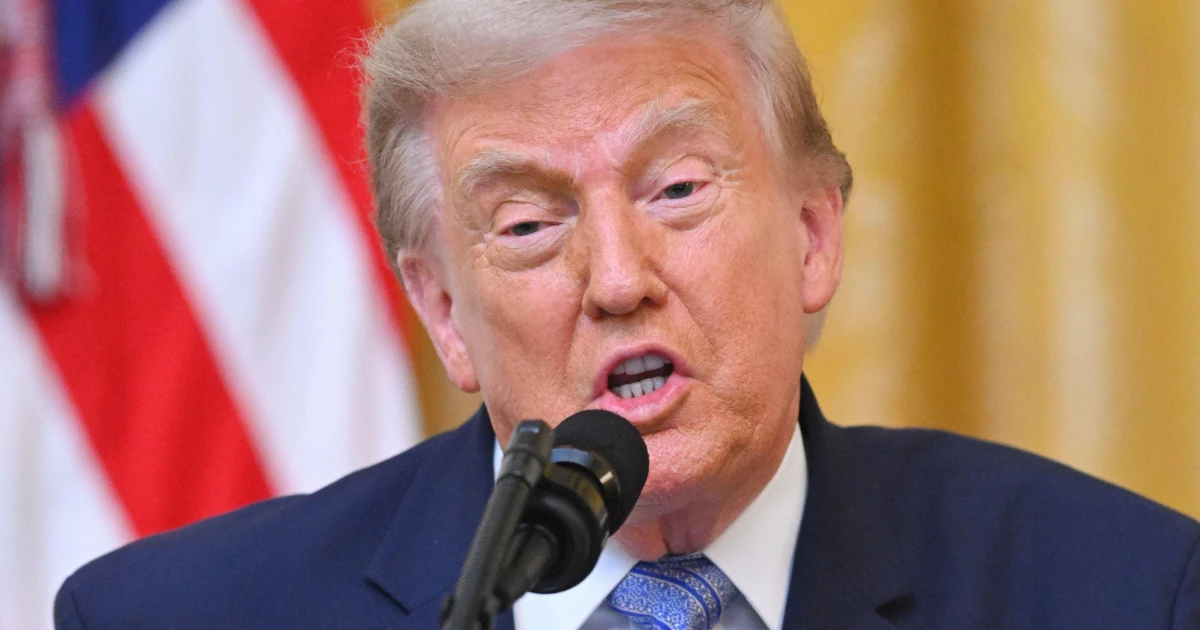
Donald Trump used a primetime White House address to accuse China of interfering in the 2020 election, reviving a claim that conflicts with the US intelligence community’s own findings. He paired the allegation with warnings about “shocking vulnerabilities” in American voting systems and tied the case to his push for proof of citizenship to register and photo ID requirements to cast a ballot.
The dispute lands at a sensitive moment for election administration, with the White House also weighing the release of controversial intelligence on China and US elections. Trump’s remarks fit a pattern he has repeated since losing the 2020 race, including assertions that foreign actors manipulated voting machines. The House Jan. 6 committee later said there was no evidence supporting the claim that foreign-manufactured machines changed votes from Trump to Joe Biden.
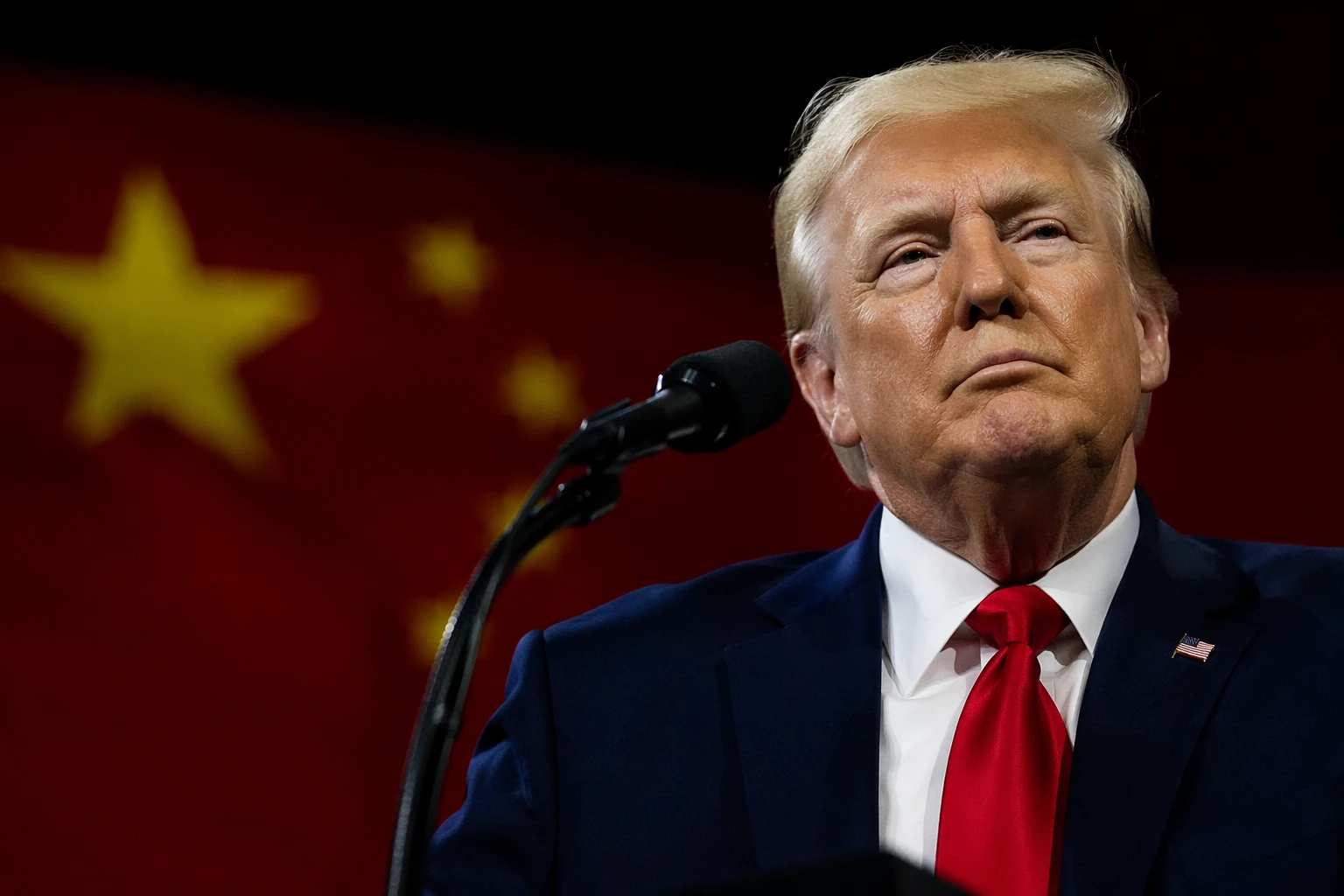
Those assertions stand in direct tension with the March 10, 2021 Intelligence Community Assessment on foreign threats to the 2020 US federal elections. Declassified by Avril Haines on March 15, 2021, the assessment said the intelligence community found no evidence that China or any other foreign actor compromised election systems or altered votes. It was drafted by the National Intelligence Council with involvement from the Central Intelligence Agency, Department of Homeland Security, Federal Bureau of Investigation, Bureau of Intelligence and Research and National Security Agency.
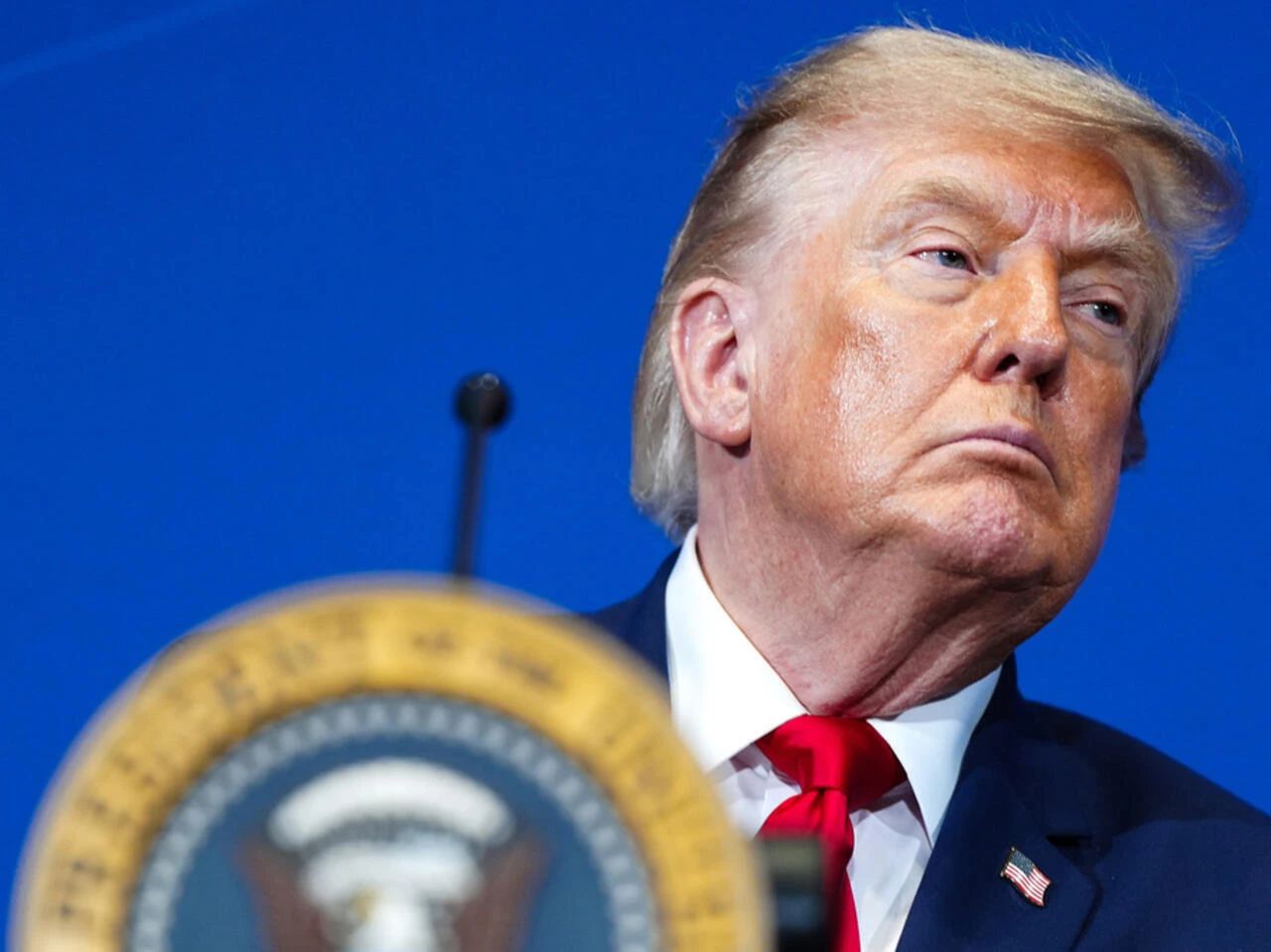
Trump’s speech also sharpened an ongoing policy fight over how to respond to election threats without widening federal control over local voting rules. The Brennan Center for Justice has argued that foreign influence and foreign interference are distinct problems, and that neither justifies a federal takeover of elections. Election security experts and some state officials have warned that politicization and federal cutbacks are eroding the support states depend on, even as the Cybersecurity and Infrastructure Security Agency remains central to sharing threat information with local officials.
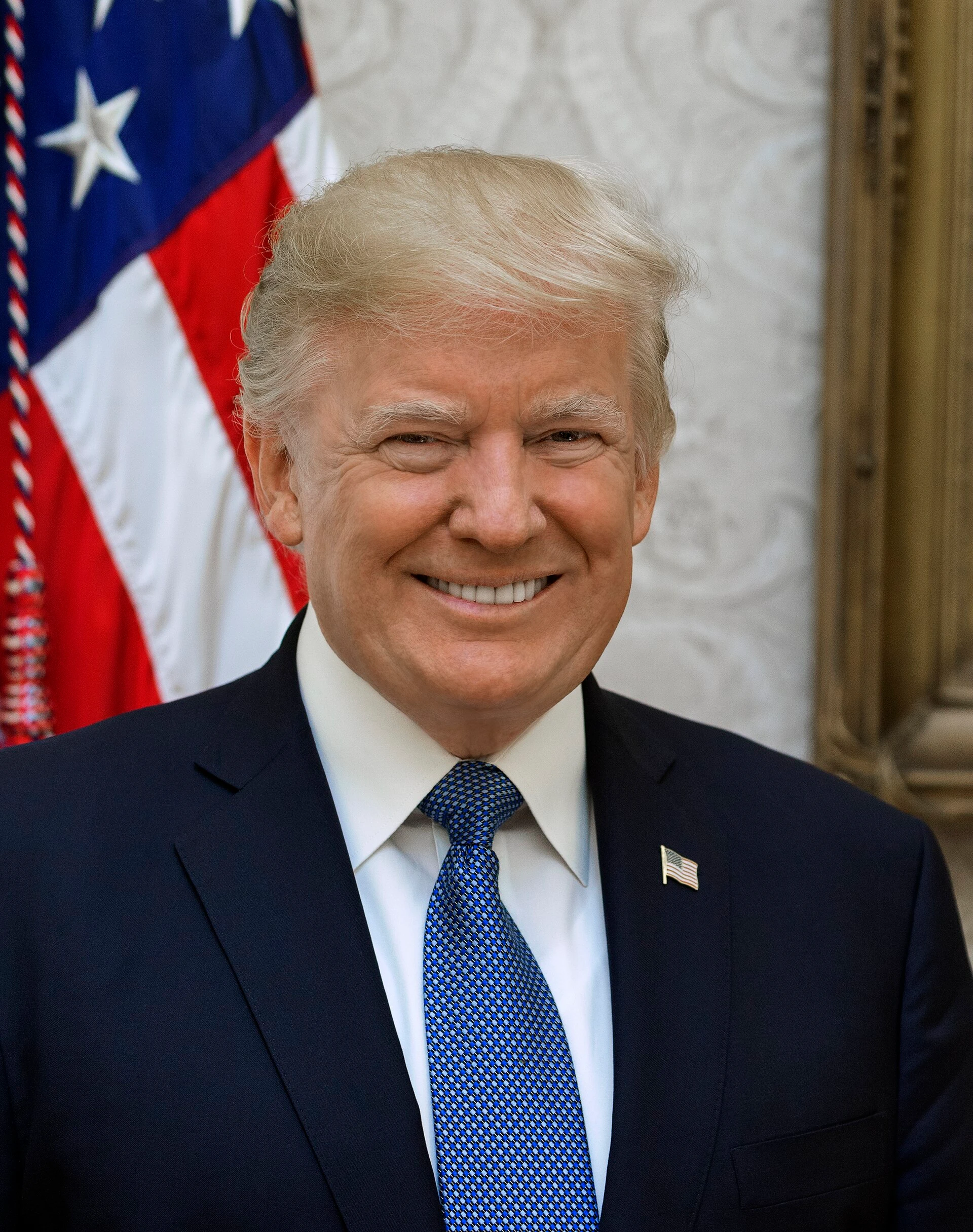
China has repeatedly rejected Trump-style interference allegations and says it follows a policy of non-interference. That makes the clash in Washington less about one speech than about competing narratives over evidence, voter confidence and who gets to define election security ahead of the next national campaign.
Sources
- [1]bbc.co.uk
- [2]bbc.com
- [3]dni.gov
- [4]govinfo.gov
- [5]brennancenter.org
- [6]reuters.com
- [7]cbsnews.com