US News
Trump administration charters yacht to evacuate woman from remote Pitcairn Island
A private yacht and a six-figure bill were deployed to bring a single American woman off Pitcairn Island, one of the most remote inhabited places on earth. The evacuation, priced at about $750,000, underscored how far the U.S. government will go when commercial travel is unavailable and how quickly its emergency accounts are being strained.
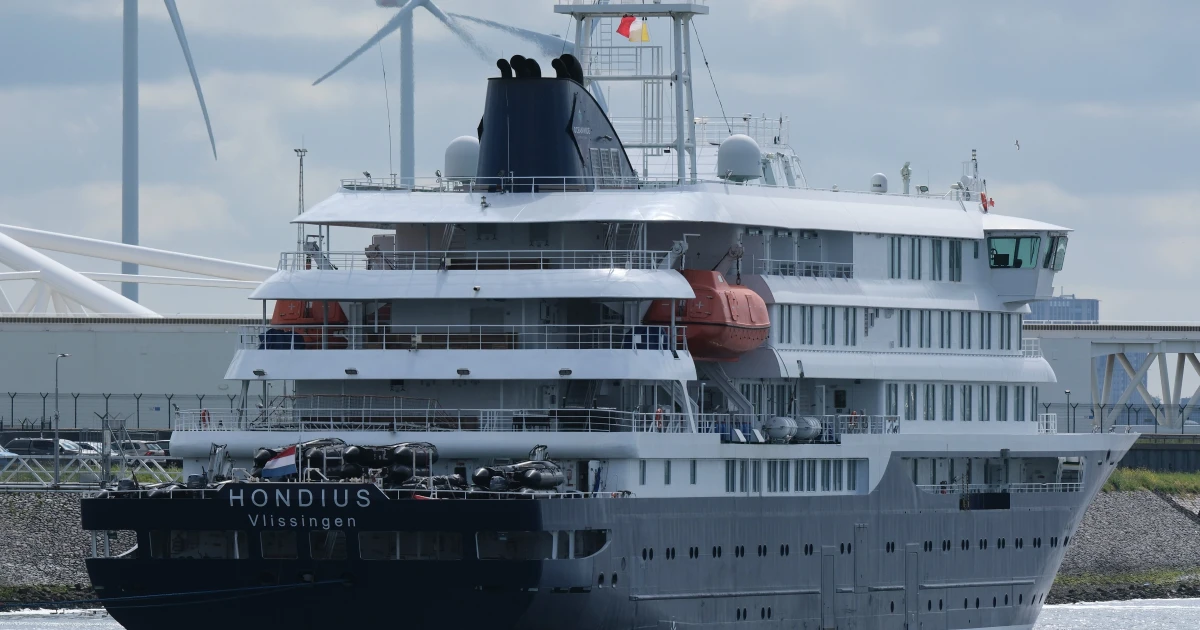
Pitcairn has no airport, a population of around 50, and land that measures roughly 3.2 kilometers long and 1.6 kilometers wide. Most travel to the British territory in the South Pacific comes by government-chartered supply ship from Mangareva in French Polynesia, which helps explain why officials turned to an expensive private vessel rather than a routine flight or ferry. The woman had been aboard the MV Hondius, a Dutch-flagged cruise ship linked to a deadly Andes virus outbreak, and may have been exposed in April before leaving the ship, flying to San Francisco and then traveling through Tahiti to Pitcairn.

The public-health backdrop is what made the rescue unusual. The World Health Organization was notified of the cluster on May 2, 2026, and later said that by May 13 there were 11 reported cases and three deaths. The Centers for Disease Control and Prevention has identified the outbreak as Andes virus, a form of hantavirus that can cause hantavirus pulmonary syndrome, but said the overall risk to the American public and travelers remained extremely low. As of the CDC’s June 11 update, no U.S. cases had been confirmed as a result of the outbreak.
The case also landed at a moment of budget pressure inside the State Department. Officials said the department’s contingency account, known as the K Fund, had been heavily used for evacuations tied to conflict in the Middle East and for preparations for possible departures from Ebola-affected countries, leaving the fund at its lowest level in seven years. Internal documents described a possible transfer of as much as $50 million from other accounts, including money normally reserved for embassy security, construction and diplomatic programs.

State Department officials said the government tries to help Americans at risk overseas when commercial options are not available. That standard is now being tested across multiple emergencies at once, from disease outbreaks to war-related evacuations, forcing diplomats to weigh individual rescue cases against broader obligations and the cost of keeping crisis funds ready for the next call.
Sources
- [1]2822news.com
- [2]apnews.com
- [3]cdc.gov
- [4]who.int
- [5]ecdc.europa.eu
- [6]government.pn
- [7]gov.uk
- [8]thehill.com