Business
Trump Administration Considers Funding U.S. Drone Firms
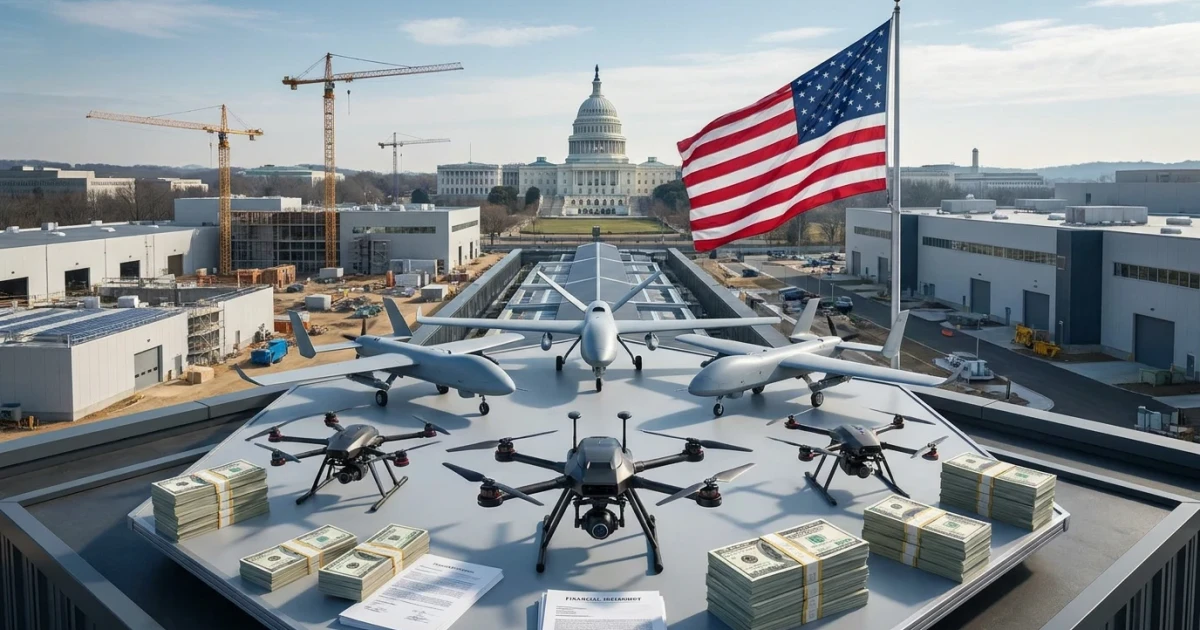
The Trump administration is reportedly exploring new funding avenues for U.S.-based drone companies, according to an exclusive report from The Wall Street Journal. The move comes amid heightened concerns about national security and a push to strengthen the domestic drone industry, which has seen rapid growth in recent years.
Industry Growth and Strategic Shift
The U.S. drone sector has experienced significant expansion, with over one million registered drones and tens of thousands of certified commercial operators, as documented by FAA statistics. In light of market developments and increasing applications in agriculture, infrastructure, and logistics, the administration’s discussions signal a strategic shift toward increased federal support for homegrown technology.
Security Concerns and Policy Context
Recent years have seen growing scrutiny of foreign-manufactured drones, particularly those from China, due to cybersecurity and data privacy risks. Federal procurement policies have reflected these concerns; for example, the American Security Drone Act of 2019 restricts government use of drones from certain foreign countries. The administration’s current talks could lead to increased investment in U.S. companies and further distance federal operations from overseas suppliers.
- The U.S. drone market is valued at several billion dollars annually, with projections for continued growth as commercial and government demand expands.
- Federal agencies have initiated research partnerships to develop standards and safety protocols, as outlined by the National Institute of Standards and Technology.
Potential Impact of Federal Funding
Direct government investment could accelerate innovation among American drone manufacturers, enabling them to compete more effectively against international rivals. According to analysis from the Government Accountability Office, the main barriers facing U.S. firms include high research costs and limited access to large-scale contracts. Federal funding may help alleviate these challenges, promoting growth and job creation within the sector.
Regulatory Developments and Market Response
Alongside funding discussions, regulatory efforts such as the proposed Remote Identification Rule aim to improve safety and accountability. These initiatives are expected to encourage broader adoption of drones in commercial, public, and private applications. Industry observers note that clear regulatory frameworks and government support could make the U.S. drone market more attractive for investors and entrepreneurs.
Analysis and Outlook
While details of the Trump administration’s talks remain limited, the reported funding push aligns with ongoing efforts to bolster American technology sectors. If implemented, the initiative could drive domestic innovation, enhance national security, and create new opportunities for U.S. companies. The move is likely to be welcomed by industry stakeholders seeking stability and growth in an increasingly competitive global market.
For more information on drone industry statistics and federal initiatives, readers can explore official FAA drone data, the American Security Drone Act, and ongoing NIST drone research.