Technology
Trump administration drafts ban on Chinese gear in data centers
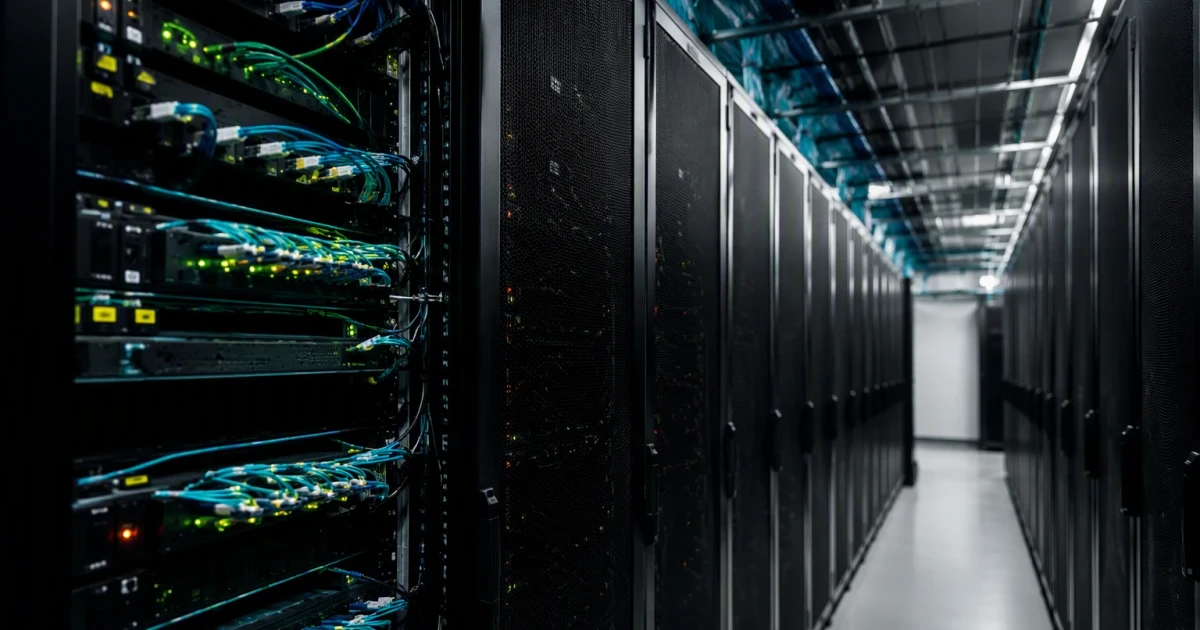
The Trump administration drafted a ban on U.S. imports of new models of Chinese data-center components, pushing its technology fight with Beijing into the hardware that keeps cloud and AI systems running. The proposal was still being developed, and the final scope could change before any rule is issued.
The most sensitive part of the draft appears to be optical transceivers, the networking parts that send and receive data over fiber-optic links inside data centers. Those components sit at the center of AI clusters, cloud facilities and large enterprise networks, so any restriction could reach far beyond one supplier line and into the broader supply chain for networking gear, storage systems, controllers and other equipment used to keep a facility online.

The policy could also be written through the Federal Communications Commission’s equipment-authorization powers and its Covered List framework, which the agency uses for equipment and services it considers national-security risks. That would build on precedent from December 2022, when the FCC barred authorization of certain communications equipment from Huawei and ZTE. A similar approach for data-center hardware would extend Washington’s existing telecom restrictions into the physical layer of computing infrastructure.
The timing is delicate for builders trying to add capacity fast. In July 2025, the federal government published a rule titled Accelerating Federal Permitting of Data Center Infrastructure, underscoring how aggressively Washington wants more computing power even as it considers tighter security screening. The broader backdrop is the same U.S.-China decoupling that has already reached advanced chips, investment limits and telecom equipment, with data centers now emerging as the next battlefield.

Markets quickly registered the risk. China AI hardware stocks fell after the ban news, and China said it would respond if necessary. For U.S. operators, the practical effect could be higher prices, larger inventories and longer lead times for new builds, especially if buyers rush to stock up before any restriction takes effect. A January 2025 analysis by Carnegie Endowment for International Peace warned that China’s access to U.S. data and control of connected technology were growing risks to be managed through supply-chain restrictions, software controls and security rules, a framework this draft would push deeper into the infrastructure stack.