Politics
Trump administration drops plan to put Harriet Tubman on $20 bill
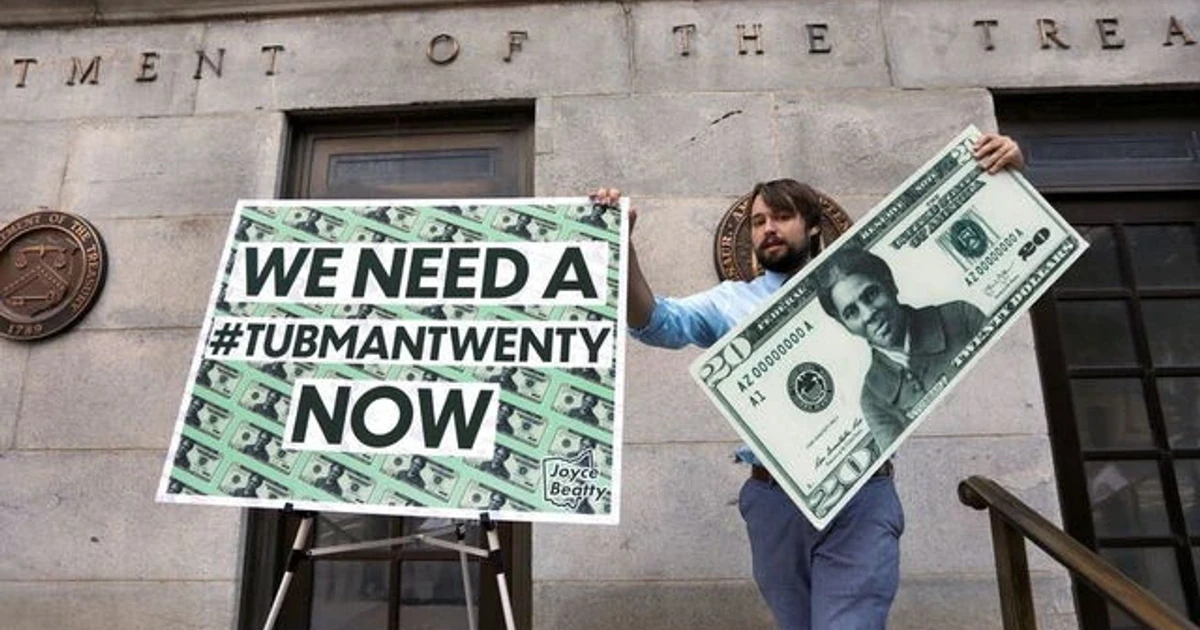
Scott Bessent said Treasury is “not at present” moving ahead with a Harriet Tubman $20 bill redesign, putting the long-delayed plan to replace Andrew Jackson on hold once again. The decision leaves unresolved one of the most symbolic fights in modern U.S. currency: whether the nation will honor an enslaved woman who helped hundreds escape slavery, or keep the face of a president whose legacy is bound up with slavery and Native American removal.
Treasury Secretary Jacob Lew announced the Tubman redesign on April 20, 2016, saying Tubman would become the first African American woman on U.S. paper currency. The plan also called for suffragists to appear on the $10 bill and for Eleanor Roosevelt and Marian Anderson to be added to the $5 bill, part of a broader effort to broaden who is visible on American money.
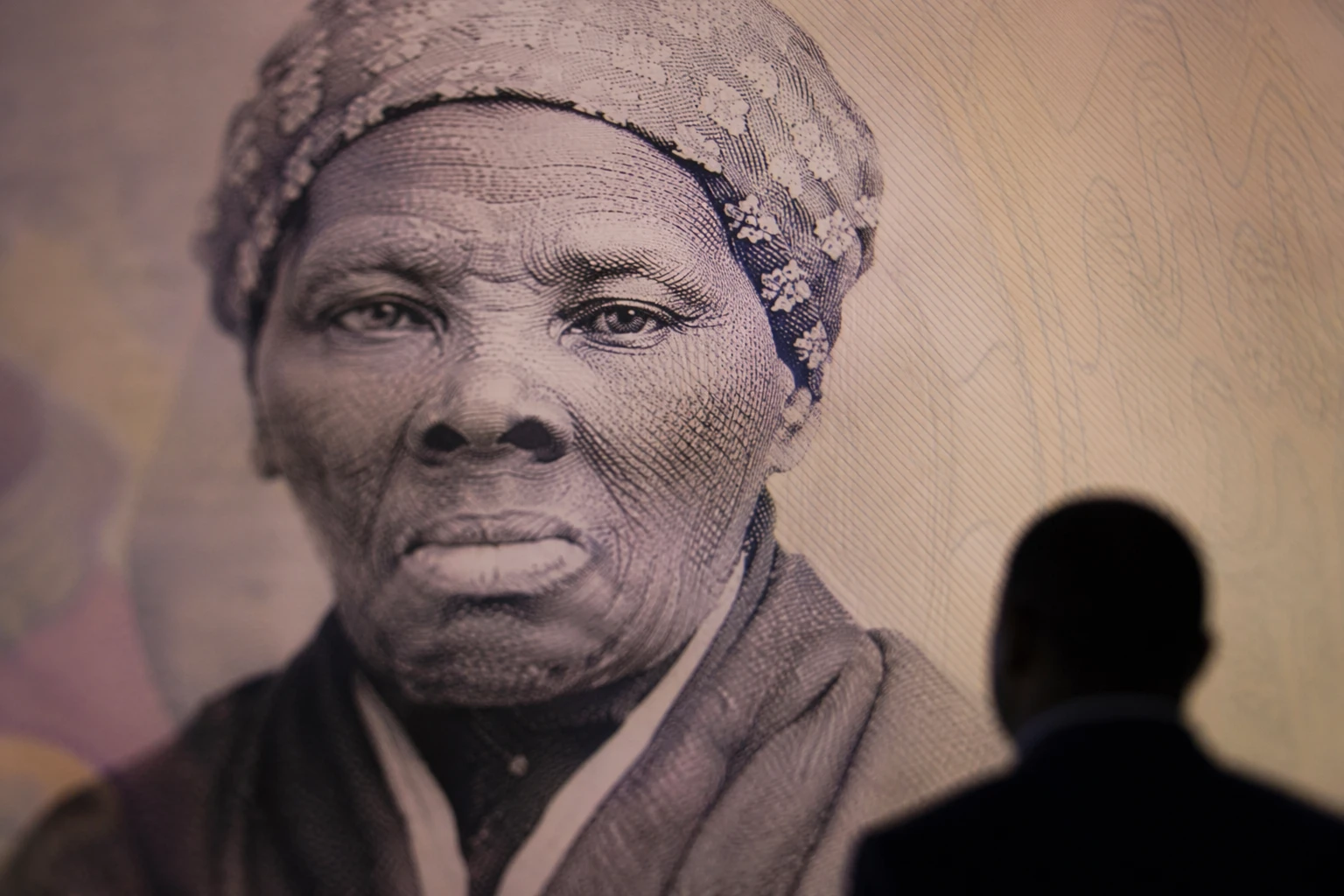
The redesign quickly became a political flashpoint. During his 2016 campaign, Donald Trump called the Tubman proposal “pure political correctness” and suggested moving her to a $2 bill instead. Trump’s comments turned a currency update into a test of how far federal institutions would go in reshaping the country’s public symbols.
The technical hurdles have been just as real as the political ones. Janet Yellen later revived the project and said the new $20 note would not be ready until 2030, citing the need for sophisticated anti-counterfeiting measures. The Bureau of Engraving and Printing says redesigned notes must satisfy authentication, counterfeit deterrence and compatibility with banknote machines. The Secret Service says counterfeit threats continue to evolve as scanning and printing technology advance.
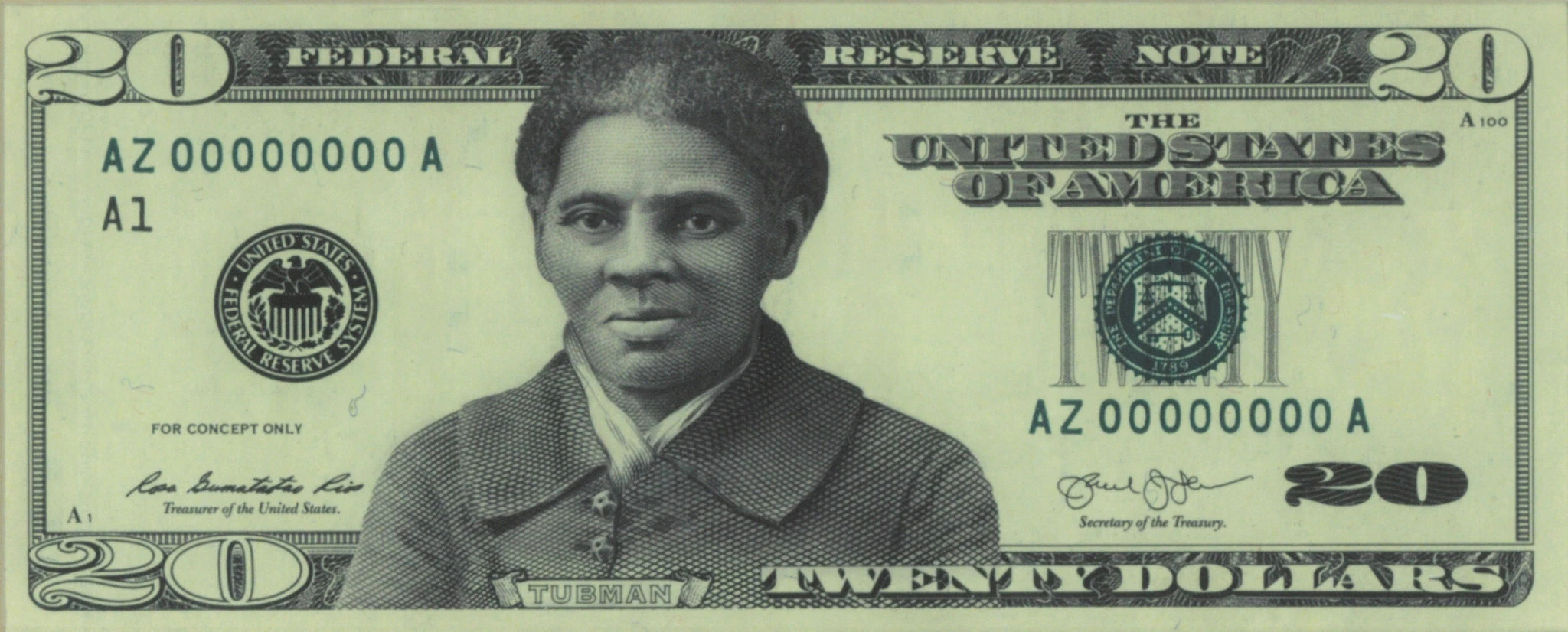
The issue has not gone away in Congress. In 2025, lawmakers reintroduced the Harriet Tubman Tribute Act, which would require Tubman’s likeness on $20 bills printed after Dec. 31, 2030. Bessent was also pressed on the subject in a May 2025 exchange with Rep. Joyce Beatty, the Black Democrat from Ohio, underscoring how politically alive the fight remains.
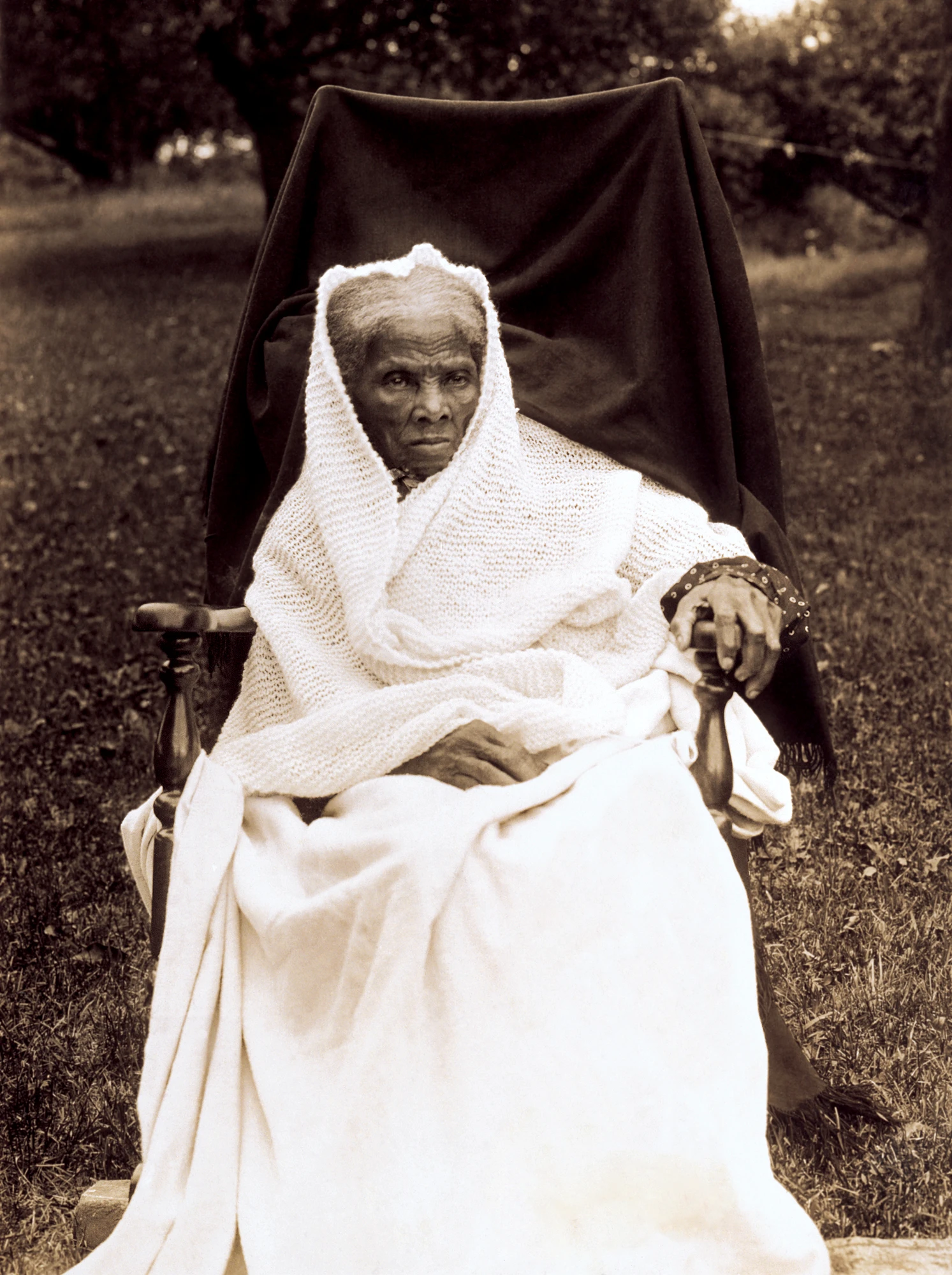
Tubman, born enslaved in Maryland around 1820, died in Auburn, New York, in 1913. Historians describe her as one of the Underground Railroad’s best-known conductors, with accounts crediting her with leading dozens of enslaved people to freedom and, in some cases, ferrying at least 300 north. Jackson’s place on the $20 has remained contested because of his status as a slaveholder and his support for policies that drove Native American removal.
A separate push has emerged around a proposed $250 bill with Trump’s portrait for the United States’ 250th anniversary, but that would require an act of Congress because living people cannot appear on U.S. currency. The contrast leaves the $20 bill as a sharper symbol than ever, with federal money still serving as a battleground over race, power and which Americans the nation chooses to honor.
Sources
- [1]usnews.com
- [2]home.treasury.gov
- [3]uscurrency.gov
- [4]bep.gov
- [5]secretservice.gov
- [6]pbs.org
- [7]time.com
- [8]britannica.com
- [9]spectrumlocalnews.com
- [10]shaheen.senate.gov
- [11]womenon20s.org
- [12]apnews.com