US News
Trump administration faces backlash over criminal pressure on reporters
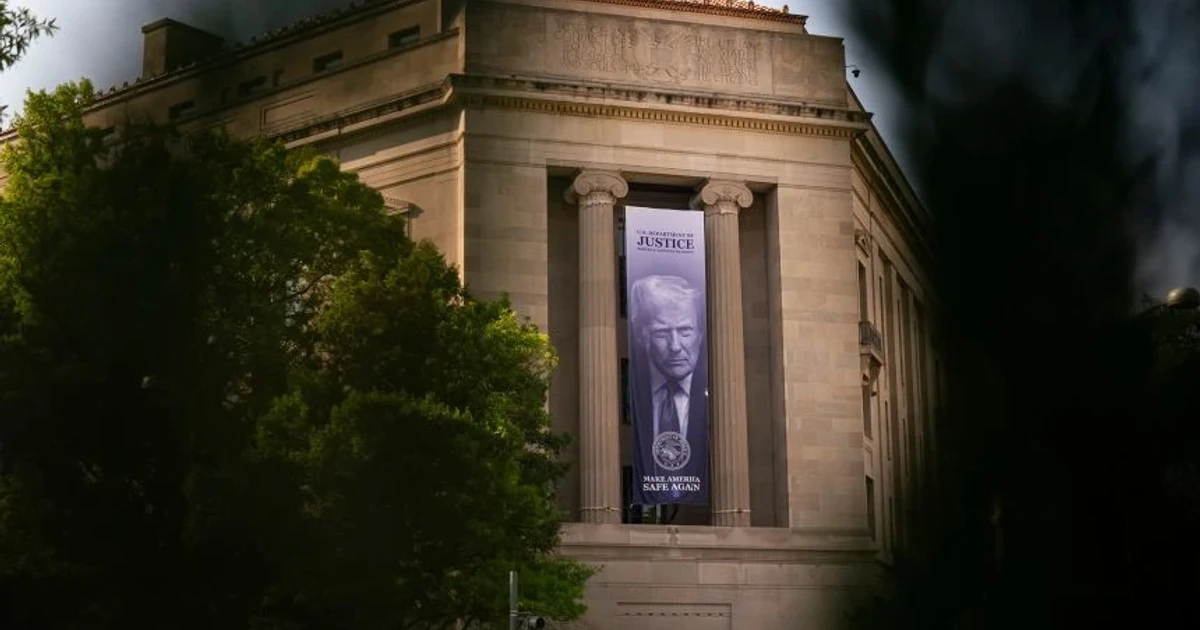
Federal prosecutors subpoenaed journalists at The Washington Post and The Wall Street Journal in a leak investigation tied to U.S. military action against Iran, then withdrew the demands days later, a sequence that intensified alarms over how far the Trump administration was willing to push criminal process against reporters.
The legal fault line is not the finished story but the act of gathering it. The First Amendment protects a free press, yet reporter’s privilege is limited, not absolute, and courts have long allowed subpoenas, searches and other compelled process when the government claims a legitimate investigative need. The newer fear, legal scholars and press-freedom advocates say, is that the government is no longer testing only whether journalists must reveal sources, but whether routine reporting itself can be treated as criminal conduct.
That concern sharpened on June 23, 2026, when the Justice Department issued and then withdrew subpoenas seeking reporters’ grand jury testimony from The Washington Post and The Wall Street Journal. On May 11, The Wall Street Journal reported that federal prosecutors had already subpoenaed its journalists in the same leak inquiry connected to U.S. military action against Iran. The Committee to Protect Journalists demanded that the subpoenas be withdrawn, and groups including the Reporters Committee for Freedom of the Press, PEN America and the Authors Guild warned that criminal pressure on newsrooms erodes the public’s right to know.
The administration’s fight with the press has not been limited to subpoenas. On March 20, 2026, a federal judge blocked a restrictive Pentagon press-access policy, adding another front to a broader clash over who gets to observe government power and under what conditions. Press-freedom advocates say that kind of access restriction matters because it can chill the day-to-day work that produces accountability reporting long before any courtroom battle begins.
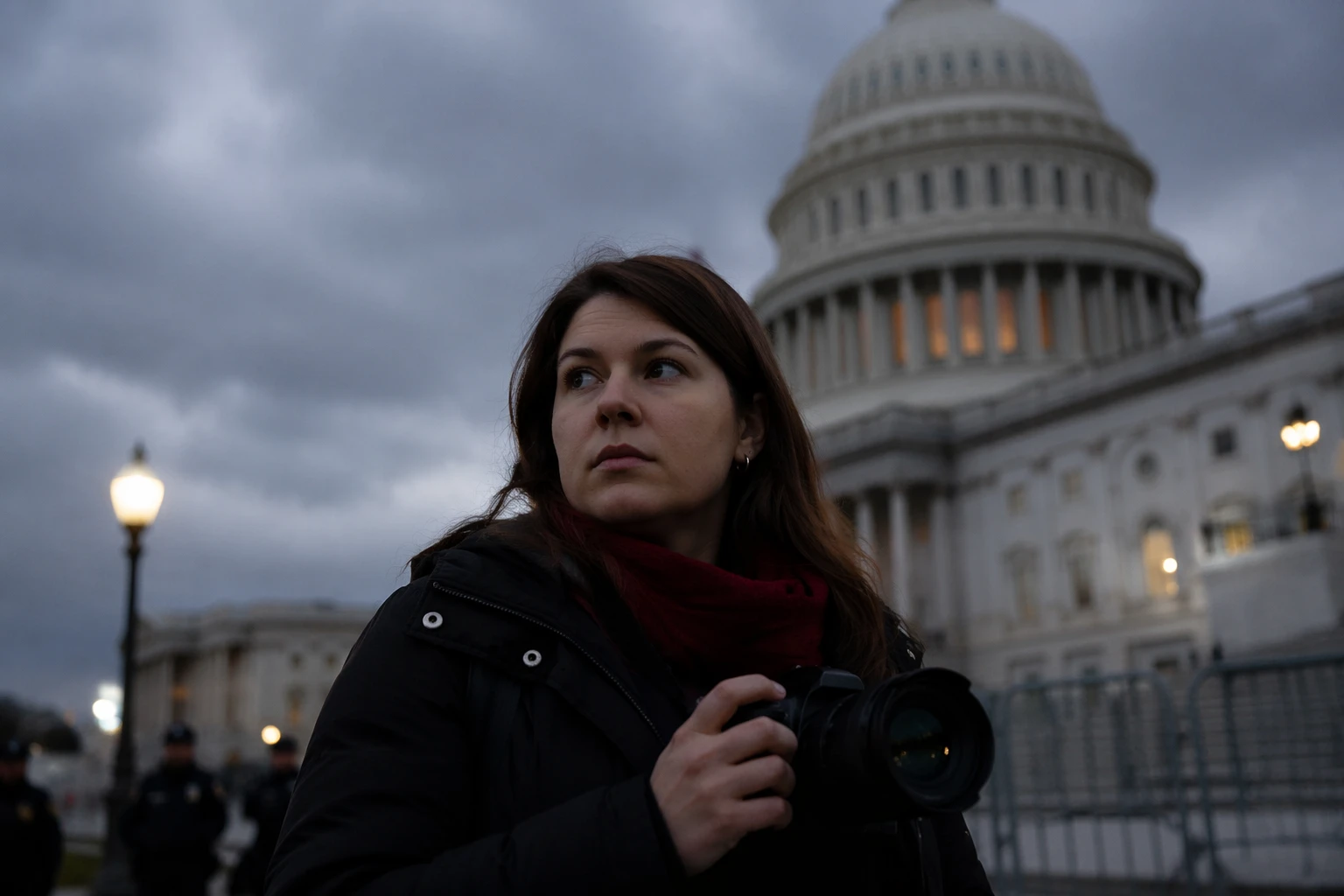
The stakes reach beyond Washington. A broad reading of criminal law against reporters could affect whistleblowers deciding whether to come forward, local journalists chasing records or leaks about police, schools or hospitals, and routine coverage that depends on confidential sources. That is why the distinction between punishing publication and criminalizing newsgathering now carries national weight, not just newsroom anxiety.
The warning comes against a long record of hostility toward the press. One analysis cited by Variety found Donald Trump had posted nearly 3,500 social-media attacks on journalists over roughly a decade, and the Committee to Protect Journalists said on April 30, 2025, that press freedom in the United States was no longer a given 100 days into Trump’s second term. The U.S. Press Freedom Tracker continues to document arrests, seizures, subpoenas, leak prosecutions and other incidents that show how quickly a theory of “national security” can turn into a test of press freedom itself.
Sources
- [1]nytimes.com
- [2]knightcolumbia.org
- [3]rcfp.org
- [4]ap.org
- [5]cpj.org
- [6]reutersinstitute.politics.ox.ac.uk
- [7]firstamendmentwatch.org
- [8]variety.com