Politics
Trump administration moves spark fears of return to disability institutions
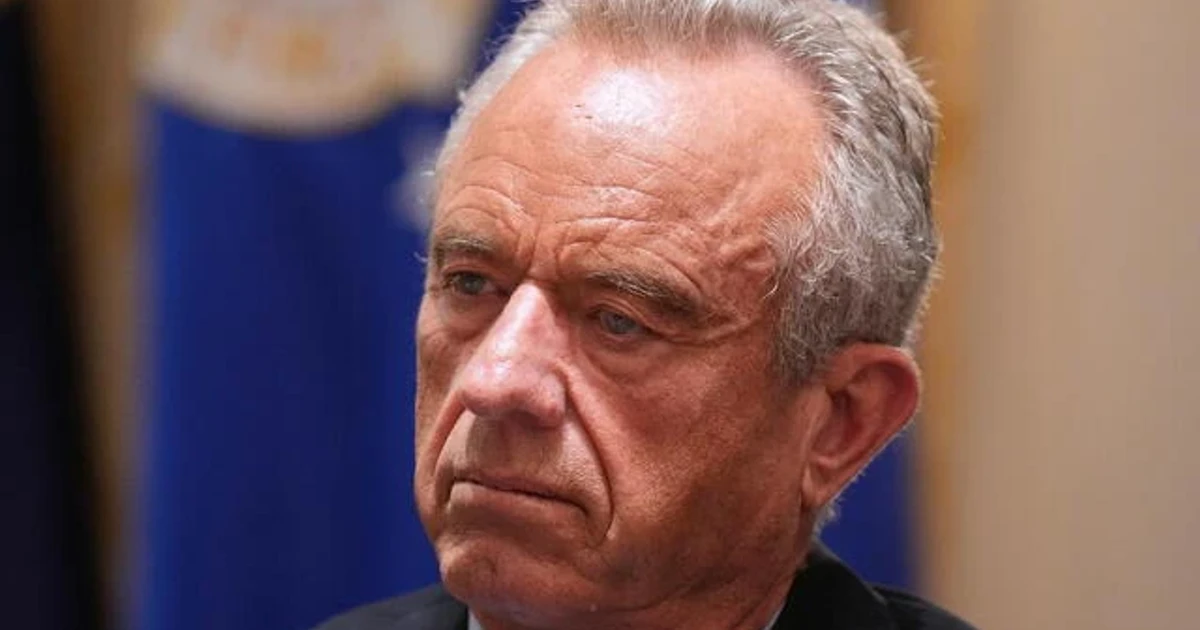
The Education Department’s June 16 move to shift oversight of special education to the Health and Human Services Department put the federal government’s disability policy on a new track, and advocates said the change, paired with a Justice Department memo days later, points back toward segregation. The Education Department also said the Office for Civil Rights would move to the Justice Department, giving two agencies led by Donald Trump appointees greater sway over disability rights enforcement.
The warning from disability groups is not abstract. Selene Almazan of the Council of Parent Attorneys and Advocates called the changes a “direct, frontal assault” on the rights of people with disabilities to live like nondisabled people. Zoe Gross of the Autistic Self Advocacy Network said the moves raise the question of whether students and adults will still get support in inclusive settings, or whether the system will drift back toward locking people away and treating disability as a defect to be cured.
The stakes are high because the country has spent more than half a century moving away from institutions and toward schools, workplaces and community living. The Supreme Court’s June 22, 1999 decision in Olmstead v. L.C. held that unjustified segregation of people with disabilities can be discrimination under the Americans with Disabilities Act. HHS says the Olmstead decision requires services in the most integrated setting appropriate, and the Justice Department has long said the goal of its integration mandate is to let people with disabilities live their lives like people without disabilities.
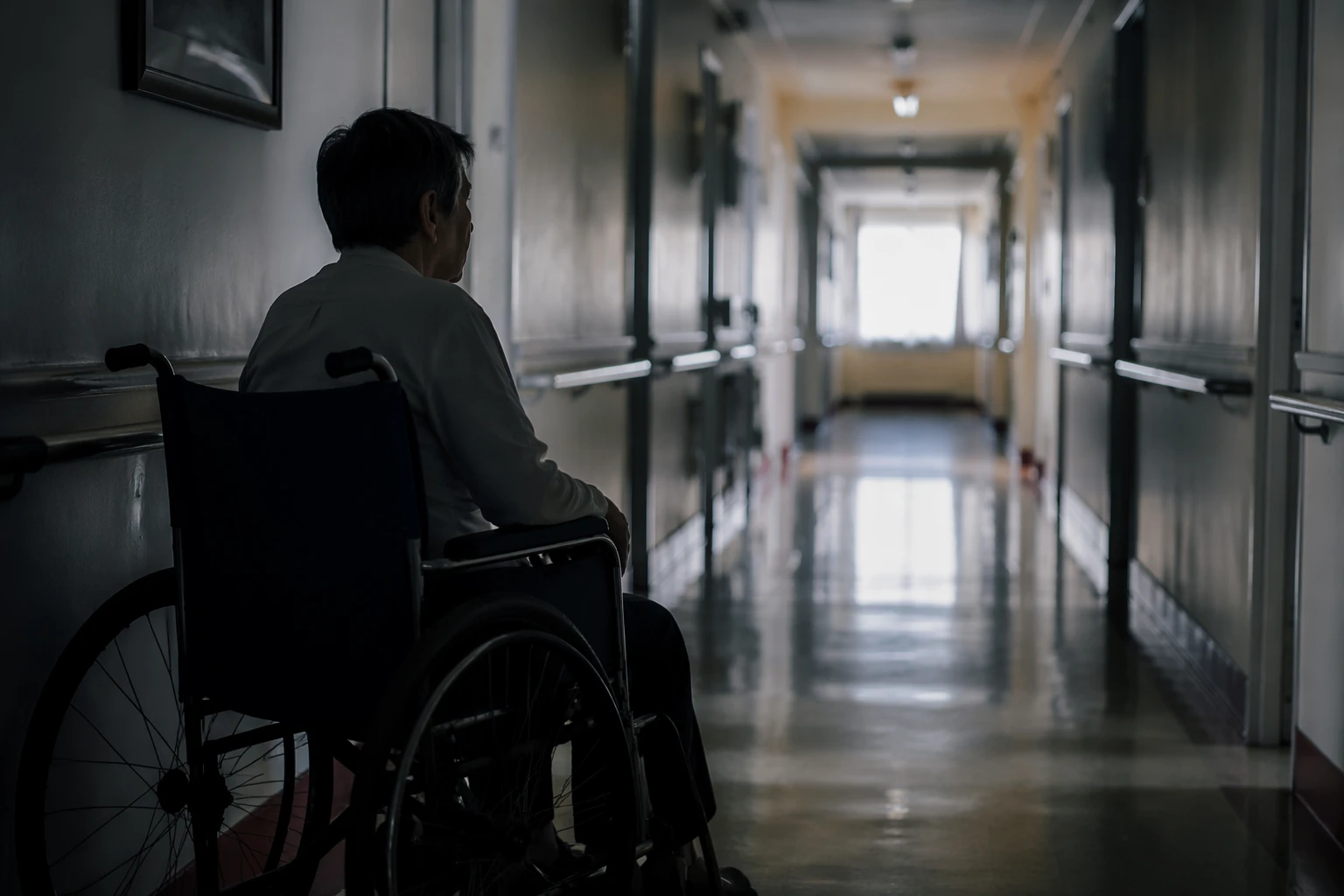
That framework is under pressure from the Trump administration’s June 18 Office of Legal Counsel memo, which advocates say could weaken the integration mandate and make institutionalization easier. The concern is sharpened by a White House executive order issued July 24, 2025, titled “Ending Crime and Disorder on America’s Streets,” which directed agencies to explore broader civil commitment and treatment-center options for people with mental illness or substance-use disorders.
Autism policy has become a flashpoint inside the broader fight. The Centers for Disease Control and Prevention said its latest surveillance data found about 1 in 31 U.S. children were identified with autism in a 2022 sample of 8-year-olds, a figure that underscores how many families could be touched by changes in federal special education policy. Robert F. Kennedy Jr., who now leads HHS, has drawn criticism from advocates and lawmakers for public comments about autism and other disabilities.
For families and providers, the dispute is about whether federal power will keep pushing services into classrooms and neighborhoods or start tilting back toward medicalized control. Advocates say the June changes are not isolated bureaucratic moves but a coordinated test of how far the government is willing to retreat from the civil-rights model that shaped disability law since Olmstead.
Sources
- [1]usnews.com
- [2]hhs.gov
- [3]cdc.gov
- [4]ed.gov
- [5]ada.gov
- [6]whitehouse.gov
- [7]ndss.org
- [8]acb.org
- [9]statnews.com