Technology
Trump administration moves to ban Chinese robots and power inverters
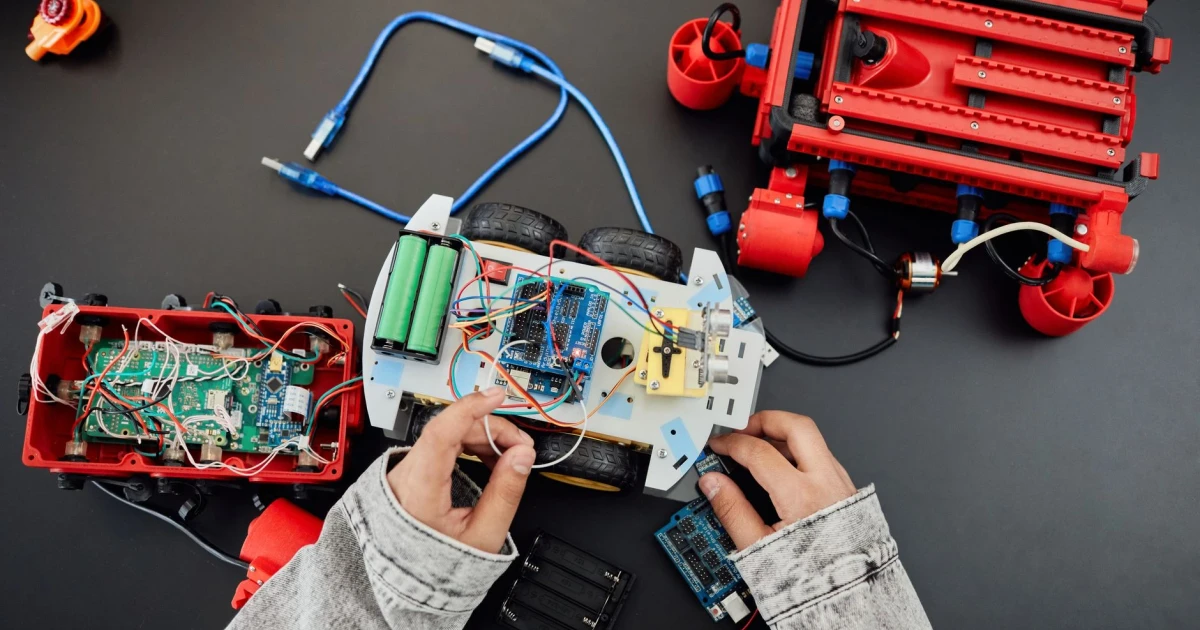
The Federal Communications Commission unveiled new restrictions on Chinese robots and power inverters on July 28, a national-security move aimed at protecting the U.S. artificial intelligence buildout even as it threatened to make factories, utilities, and data-center expansion more expensive. The action targeted hardware that sits deep in industrial systems, where Chinese suppliers have long held an important foothold.
The measures applied to new robot and inverter models that had not yet been released, and they took effect upon publication. The FCC also reserved the power to revoke authorizations for some models already cleared for U.S. sale. Officials framed the move around national security risks, supply-chain vulnerabilities, and the possibility that connected devices could expose critical infrastructure to cyber threats.
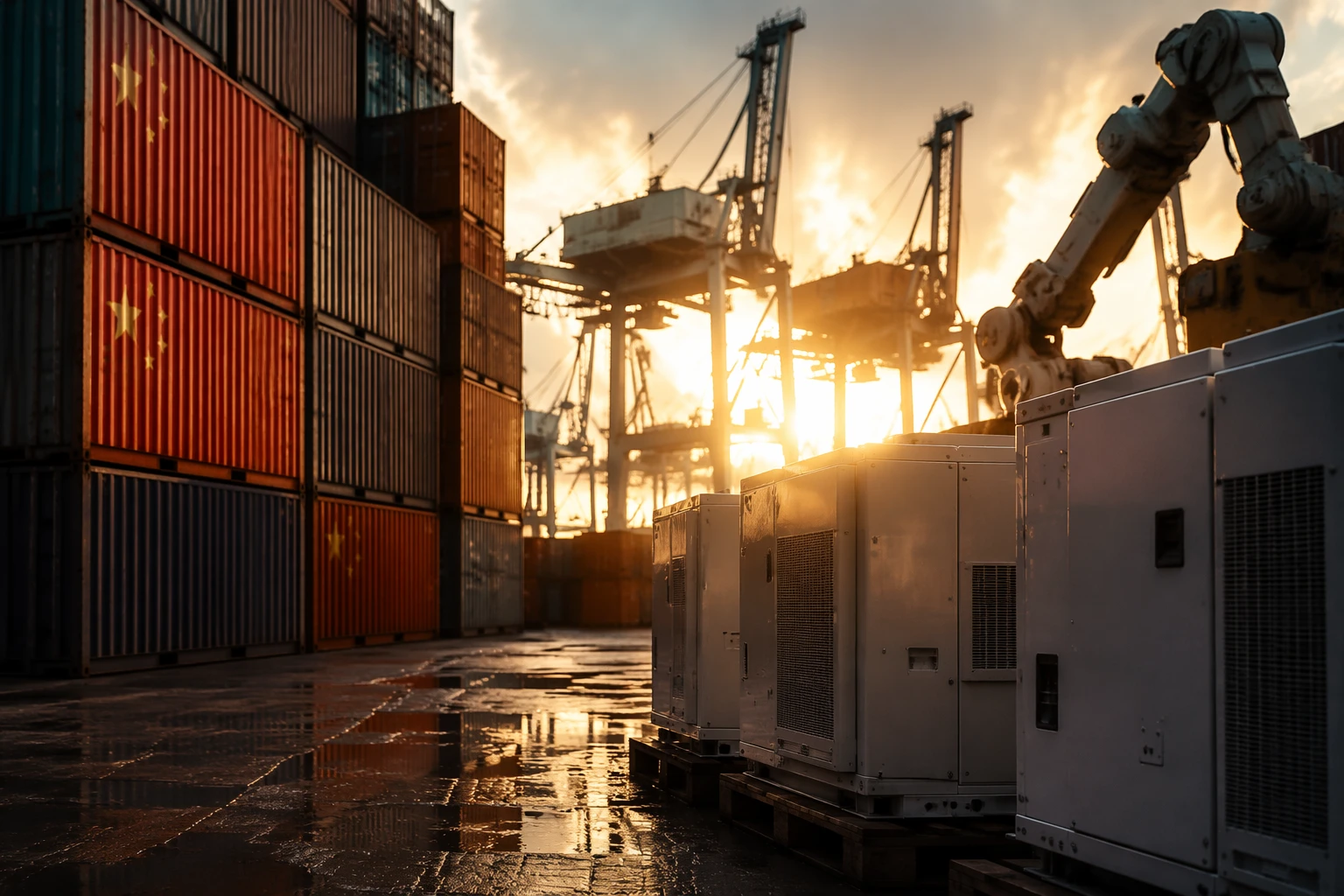
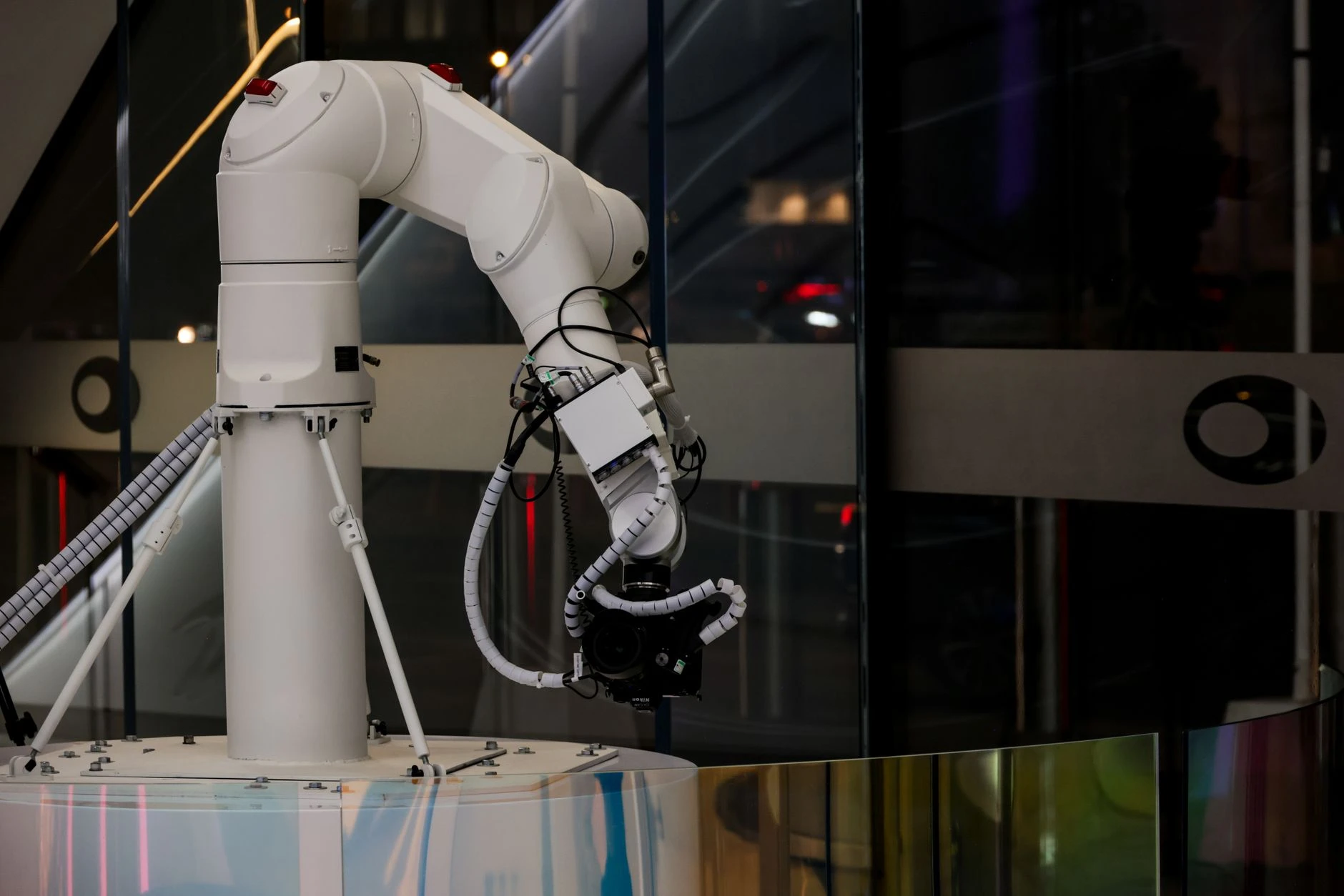
The most immediate pressure point is robotics. The ban was expected to hit Unitree, the Chinese robotics company that holds just under a fifth of the global market, and which had recently partnered with Nvidia to use the Blackwell chip in a robot. Chinese equipment is embedded in factory automation, warehousing, and advanced manufacturing, so the shift could force U.S. buyers toward non-Chinese suppliers and higher-priced alternatives.
Power inverters carry similar stakes. China is the world’s largest maker of inverters, led by Sungrow Power Supply and Huawei, and those devices are central to energy systems, grid hardware, and some data-center and power applications. The Department of Defense already bars procurement of certain solar photovoltaic cells, modules, or inverters from foreign entities of concern, and the FCC’s action extended that caution into a broader civilian industrial arena.
The policy fits a wider effort in Washington to reduce reliance on Chinese technology at the hardware level, not just in semiconductors and software. In March 2026, the House Committee on Homeland Security held a hearing on DeepSeek and Unitree Robotics and the national-security risks tied to Chinese artificial intelligence, robotics, and autonomous technologies. Officials have also pointed to the 2023 Volt Typhoon hacking campaign, in which attackers used privately owned routers to mask later attacks on U.S. critical infrastructure, as a warning about exposed networked equipment.
The FCC’s approach also suggests that non-Chinese suppliers will gain room to expand, similar to past bans on foreign drones and routers that redirected U.S. buyers elsewhere. For American manufacturers and AI firms racing to build domestic capacity, the tradeoff is now explicit: tighter security on the front end, but a narrower and potentially costlier equipment market on the back end.
Sources
- [1]reuters.com
- [2]cnbc.com
- [3]axios.com
- [4]asia.nikkei.com
- [5]the-independent.com
- [6]democrats-homeland.house.gov
- [7]youtube.com