US News
Trump Administration Overturns Foundational Climate Policy
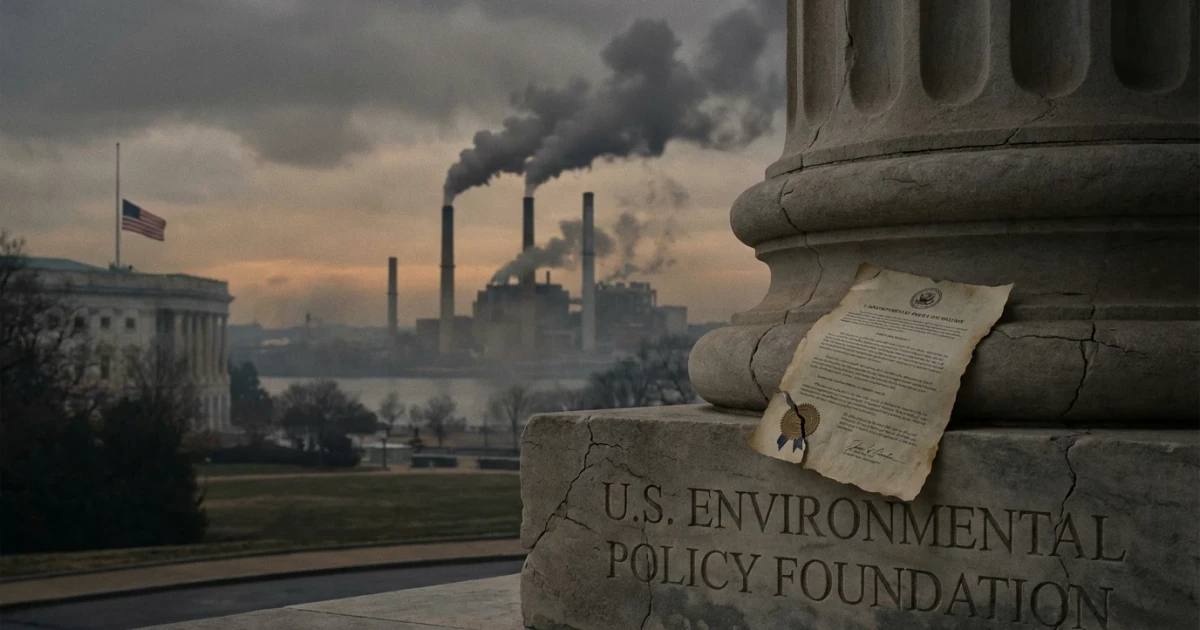
The Trump administration has repealed the landmark legal policy that formed the basis for core U.S. climate change regulations, fundamentally altering the federal government's ability to regulate greenhouse gas emissions. The move, reported by The Washington Post, marks a pivotal change in the nation’s climate policy framework and has broad implications for environmental regulation and future climate action.
What Was Repealed?
The policy in question is the EPA’s Endangerment Finding for Greenhouse Gases, originally issued in 2009. This finding determined that greenhouse gases pose a threat to public health and welfare, giving the Environmental Protection Agency the legal authority under the Clean Air Act to regulate emissions from vehicles, power plants, and other sources. The repeal effectively strips away the legal foundation for a range of climate regulations developed over the past decade.
Scope and Impact on Climate Rules
With the repeal of the Endangerment Finding, several major climate policies—such as limits on carbon dioxide emissions from power plants and fuel efficiency standards for vehicles—are now on uncertain legal ground. According to reporting, this action could significantly hinder the federal government’s capacity to address climate change, as it removes the explicit authority to control greenhouse gas emissions.
- Previous regulations underpinned by the finding include the Clean Power Plan and vehicle emissions standards.
- These rules were designed to reduce emissions in line with international climate commitments and domestic targets. For example, data from the EPA’s annual inventory shows power plants and transportation as the two largest sources of U.S. greenhouse gas emissions.
- The legal authority for new or existing regulations is now in question, potentially leading to protracted legal battles and policy uncertainty.
Rationale and Opposition
The Trump administration has consistently argued that existing climate regulations are overly burdensome to industry and the economy. By repealing the Endangerment Finding, officials claim they are removing unnecessary federal overreach and restoring what they describe as regulatory balance. However, environmental advocates and many legal experts contend that the decision undermines scientific consensus and decades of regulatory precedent.
In response, climate policy organizations note that the 2009 Endangerment Finding was supported by extensive scientific research and public comment. As outlined in the official EPA record, the finding drew upon assessments from the Intergovernmental Panel on Climate Change and the National Academy of Sciences.
Legal and Political Implications
The repeal is likely to face immediate legal challenges. Courts have previously upheld the EPA’s authority to regulate greenhouse gases under the Clean Air Act. According to an analysis by the Government Accountability Office, past attempts to roll back such foundational regulatory findings have resulted in lengthy litigation and judicial review. The regulatory uncertainty could also affect industry planning and investment in clean energy technologies.
Politically, the decision signals a dramatic shift in federal climate strategy, distinguishing the United States from many other major economies that are strengthening their climate commitments. The action may also influence the nation’s ability to meet international climate goals.
Looking Ahead
While the Trump administration’s repeal represents a significant setback for federal climate action, states and local governments may continue to pursue their own emissions reduction strategies. Environmental groups are expected to challenge the repeal in court, seeking to restore the legal underpinnings for climate regulation. For readers interested in the precise legal and regulatory language at issue, the American Clean Energy and Security Act of 2009 provides additional legislative context, although it was never enacted into law.
The full ramifications of this policy reversal will take time to unfold, but the decision is already reshaping the landscape of U.S. climate policy and the federal government’s role in addressing greenhouse gas emissions.