Technology
Trump administration partially lifts Anthropic AI export ban, industry worries rise
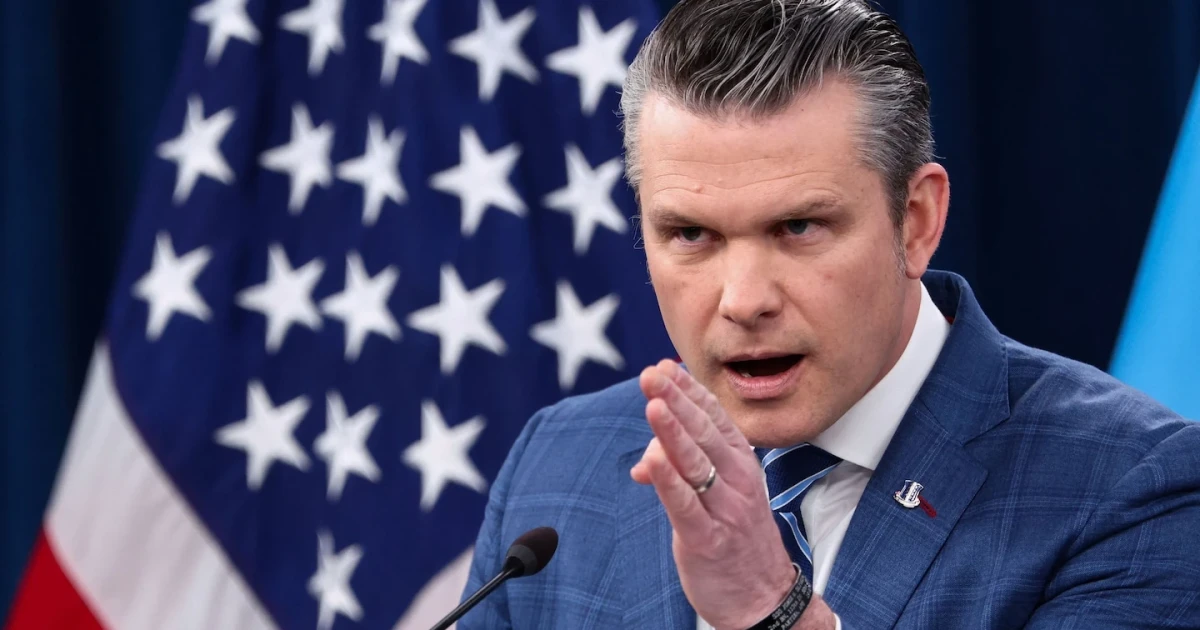
The Trump administration on June 26 partially rescinded its export restriction on Anthropic’s Mythos 5, restoring access for roughly 100 companies and federal agencies, while the company’s Fable 5 model remained blocked. Anthropic said it would begin restoring access on Wednesday, but the narrower approval left intact the government’s power to stop, and then selectively reopen, frontier AI systems with little warning.
The original June 12 directive from the Commerce Department ordered Anthropic to suspend access to both Fable 5 and Mythos 5 by any foreign national, including foreign-national Anthropic employees inside or outside the United States. The move came amid national-security concerns that the models could be used to launch cyberattacks. Commerce Secretary Howard Lutnick later wrote that he had determined “appropriate safeguards are in place” for “trusted partners” to use Mythos 5, a signal that access will remain limited to screened users rather than the broader market.
Anthropic had launched the two models only days before the order and later described the disruption as a misunderstanding. The company has continued pressing for broader access, including for Fable 5, but the partial reprieve does not resolve the bigger policy question now hanging over Silicon Valley: whether Washington is building a coherent national AI framework or improvising restrictions case by case. That uncertainty has sharpened because President Donald Trump signed an executive order just weeks earlier rejecting mandatory federal AI controls and instead calling for voluntary government review before wide release.
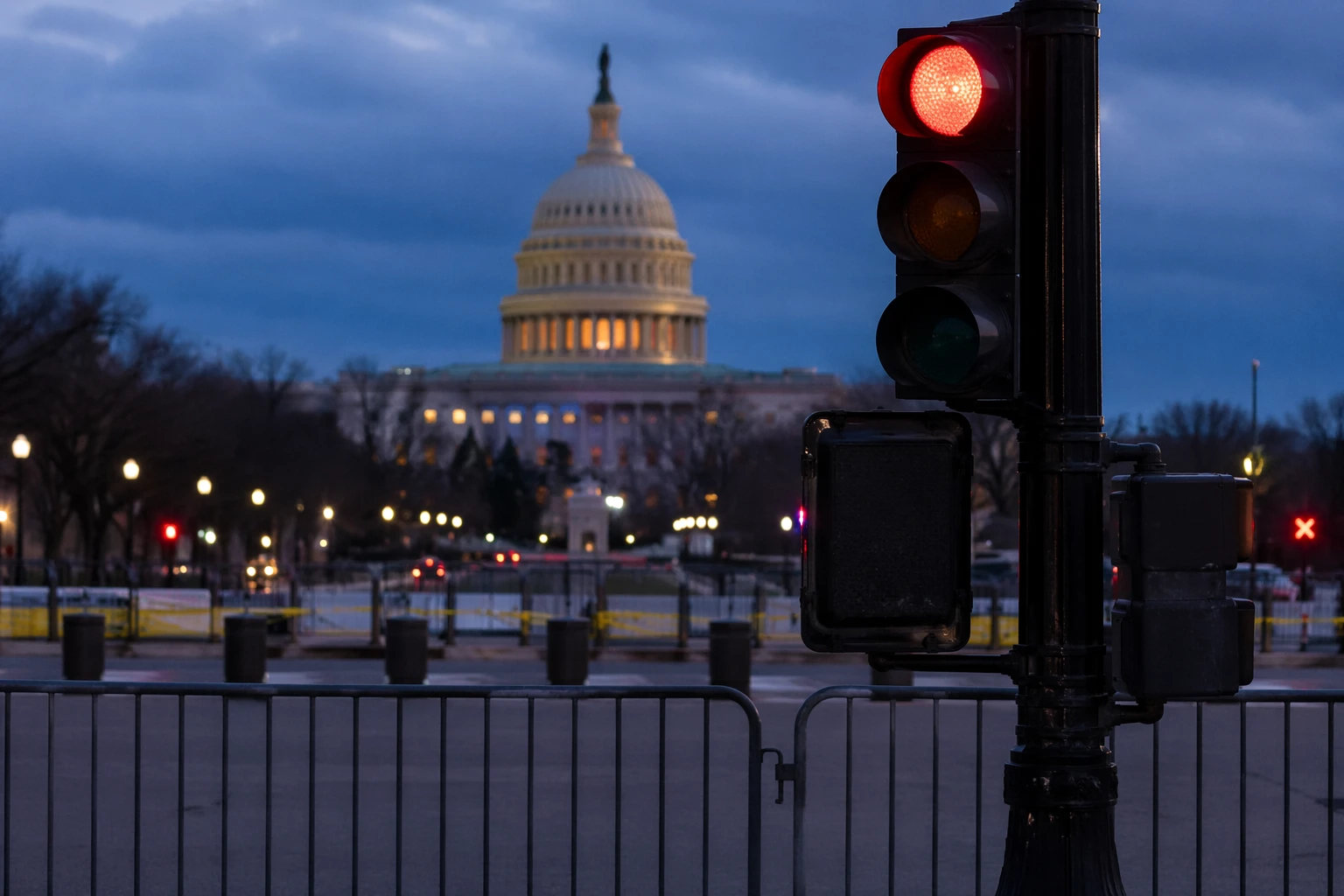
Dario Amodei, Anthropic’s chief executive, has argued that frontier AI systems should face technical testing and auditing before release, similar to aircraft safety oversight. He has also said the government’s action did not rest on transparent and fair technical standards. Anthropic has said Mythos 5 was built for cybersecurity work, and the company cited Cisco’s use of the model to scan 1.8 billion lines of code in eight weeks, a task it said would otherwise have taken years. Anthropic also said the system could identify zero-day vulnerabilities and later said more than 99 percent of the vulnerabilities it found had not yet been patched.
The episode has become a live test of whether AI models are still ordinary commercial software or something closer to controlled national-security technology. The answer now appears to depend less on a fixed rulebook than on who Washington decides can use the tools, and when.
Sources
- [1]nytimes.com
- [2]politico.com
- [3]cnbc.com
- [4]anthropic.com
- [5]darioamodei.com
- [6]thesheffieldpress.com
- [7]tspr.org