Politics
Trump administration plans global spending push to counter China
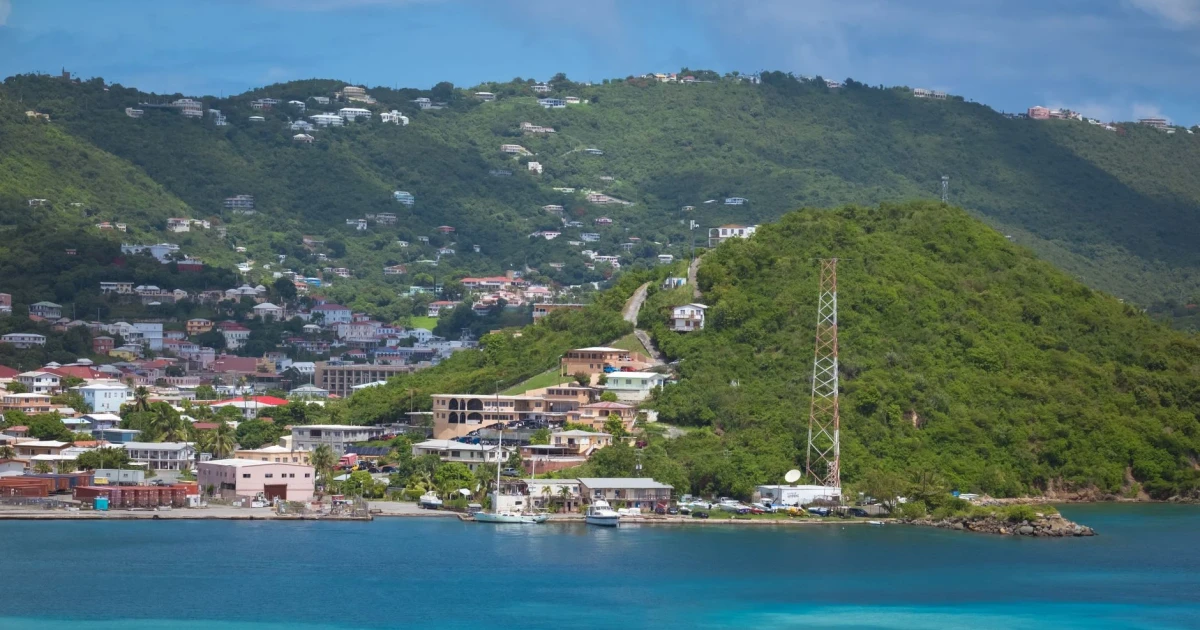
The Trump administration planned to spend $175.8 million to replace outdated and aging undersea telecommunications cables in the Caribbean and Central America, a move aimed at keeping China from gaining a foothold in one of the world’s most strategic information corridors. The money is part of a broader global push, built around hundreds of millions of dollars in new spending, to widen U.S. influence in regions where Beijing has already spent years building leverage.
Internal documents described the effort as a mix of foreign aid, development financing, diplomatic programs and strategic outreach aimed at Asia, Africa and Latin America. The emphasis is not on military posture but on economic and political competition, with Washington trying to steer countries toward U.S.-backed alternatives in places where China has used lending, infrastructure projects, trade ties and technology partnerships to deepen its reach.
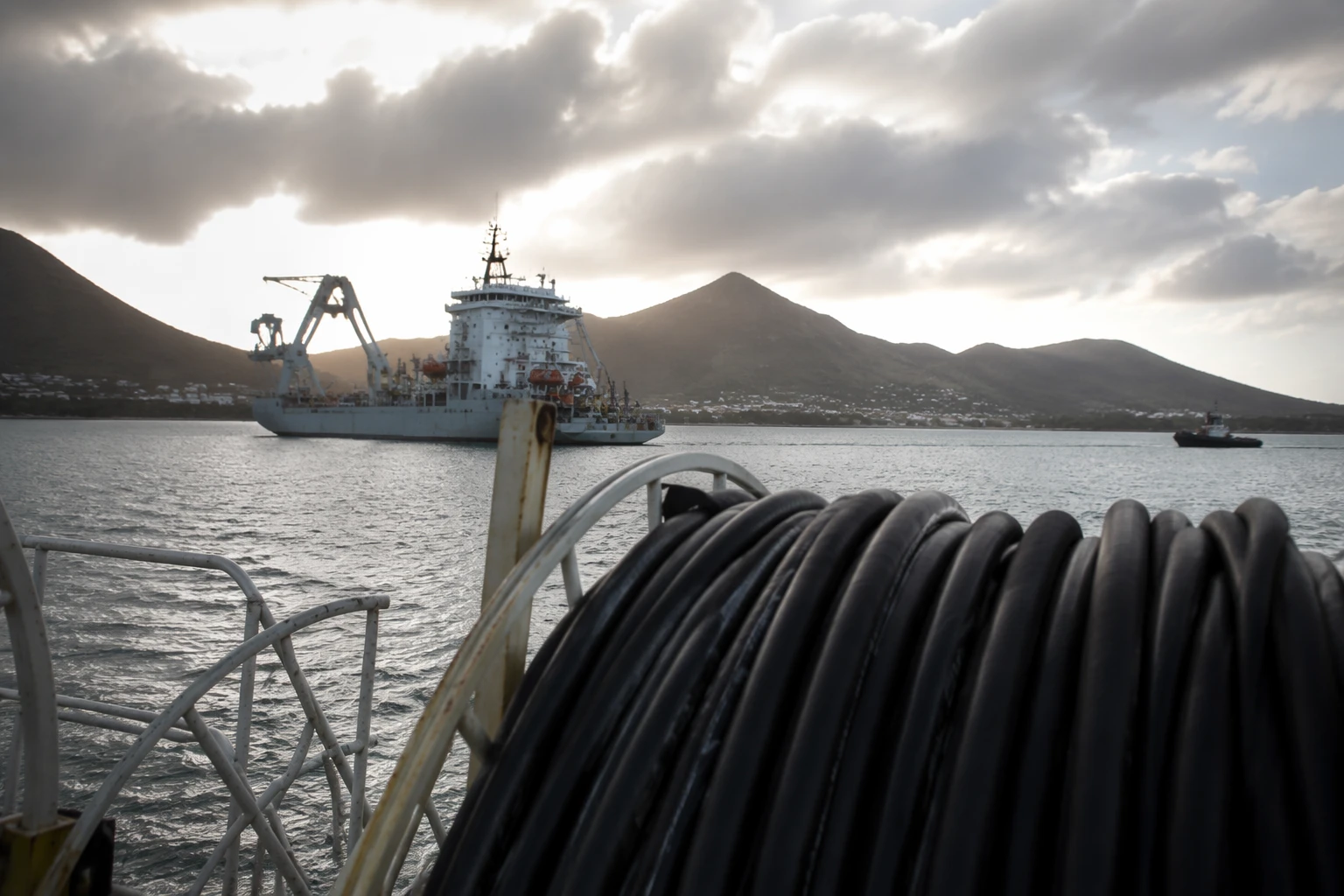
The cable program stands out because undersea telecommunications lines carry much of global internet traffic and are vital to finance, government communications and commerce. Replacing aging lines in the Caribbean and Central America would give the administration a concrete way to show it is targeting the infrastructure that underpins modern influence, not just making broad policy statements about rivalry with China.

The new push comes after a turbulent year for anti-China initiatives inside the federal government. The U.S. Government Accountability Office said on June 17, 2026, that agencies had provided more than $1 billion for projects intended to counter China but had not assessed the overall results. AP-syndicated reporting also said many anti-China initiatives were halted during budget and personnel cuts last year before the administration moved to restart them, raising questions about continuity, coordination and whether the effort can survive beyond a single budget cycle.
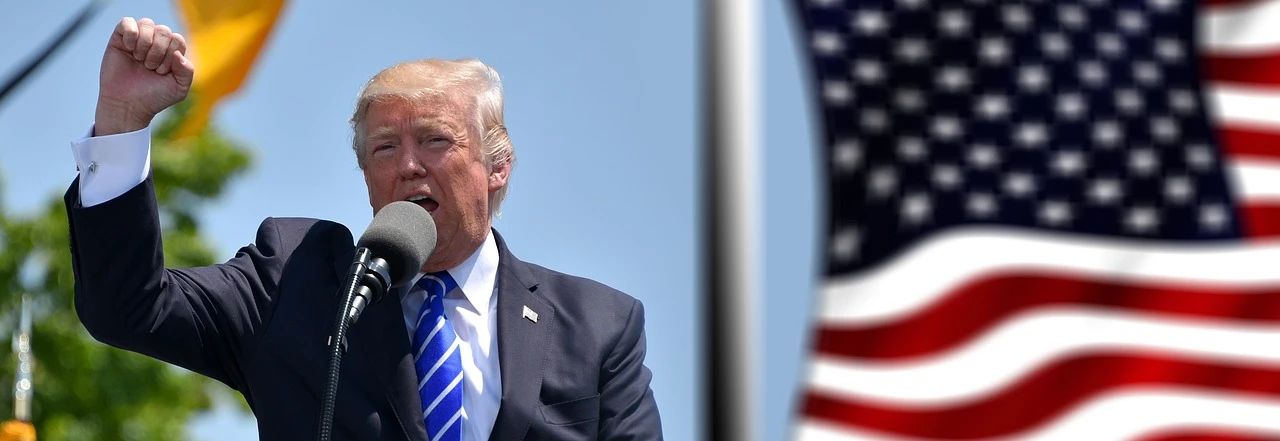
The strategic logic is rooted in China’s long game. Xi Jinping launched the Belt and Road Initiative in 2013, and the Council on Foreign Relations describes it as the world’s largest infrastructure program. A 2024 GAO report found that China’s investments in international infrastructure projects significantly outpaced those of the United States. Earlier government assessments show Washington has tracked the competition for years: a 2008 Congressional Research Service report for the Senate Foreign Relations Committee examined China’s foreign policy and soft power in South America, Asia and Africa, and a March 2026 Senate Foreign Relations Committee minority report, China Report 2.0, focused on undermining U.S. competitive advantage and selling the technologies of the future.
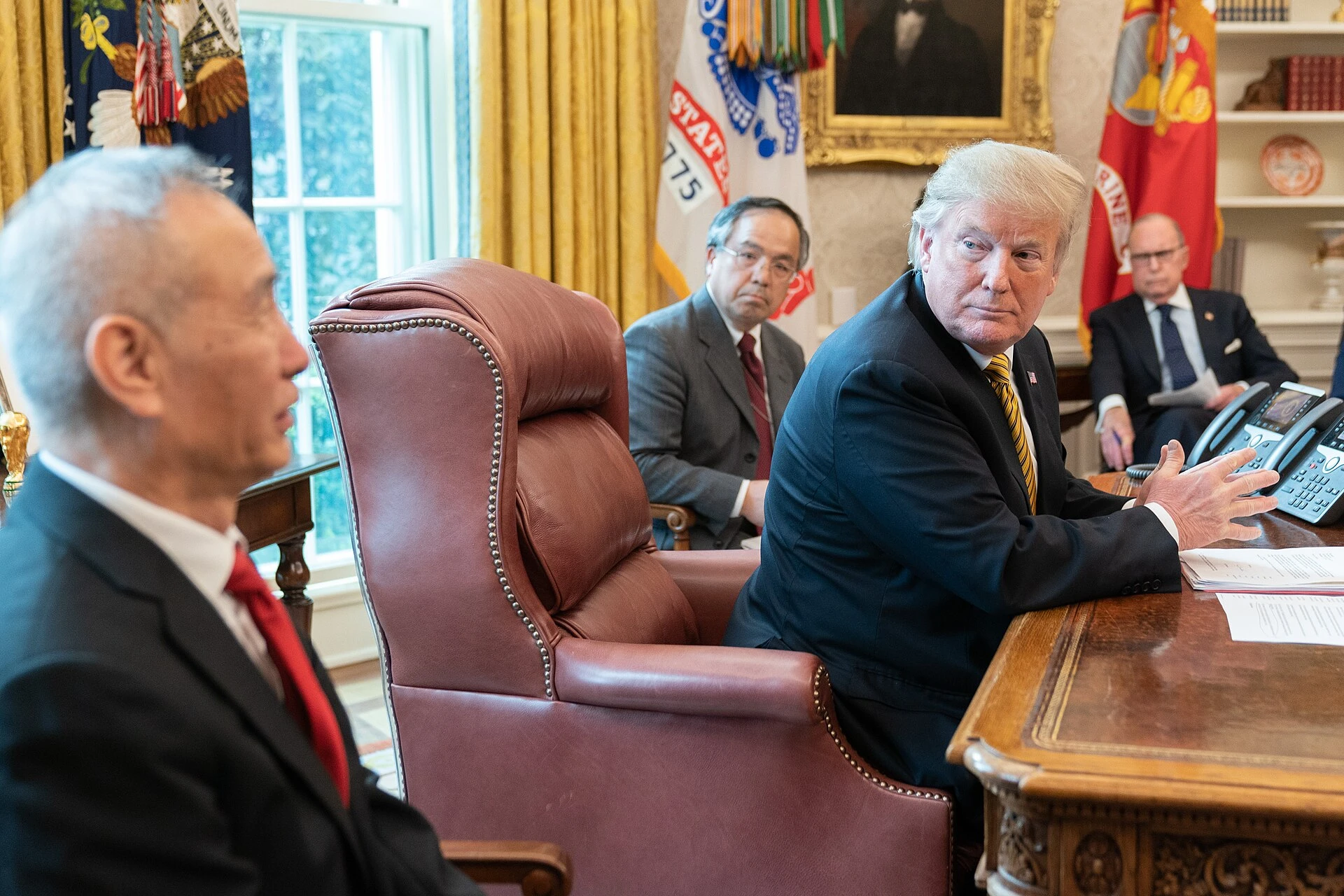
That record helps explain why the administration’s latest plan is built around development tools rather than troops. It also sets up a test for Congress and the White House: whether they are willing to fund a durable doctrine for competing with China across ports, power systems, digital networks and minerals, or whether this becomes another burst of spending that fades as budget pressures return.
Sources
- [1]apnews.com
- [2]usnews.com
- [3]gao.gov
- [4]cfr.org
- [5]govinfo.gov
- [6]foreign.senate.gov