US News
Trump administration plans major surge in denaturalization cases by fall
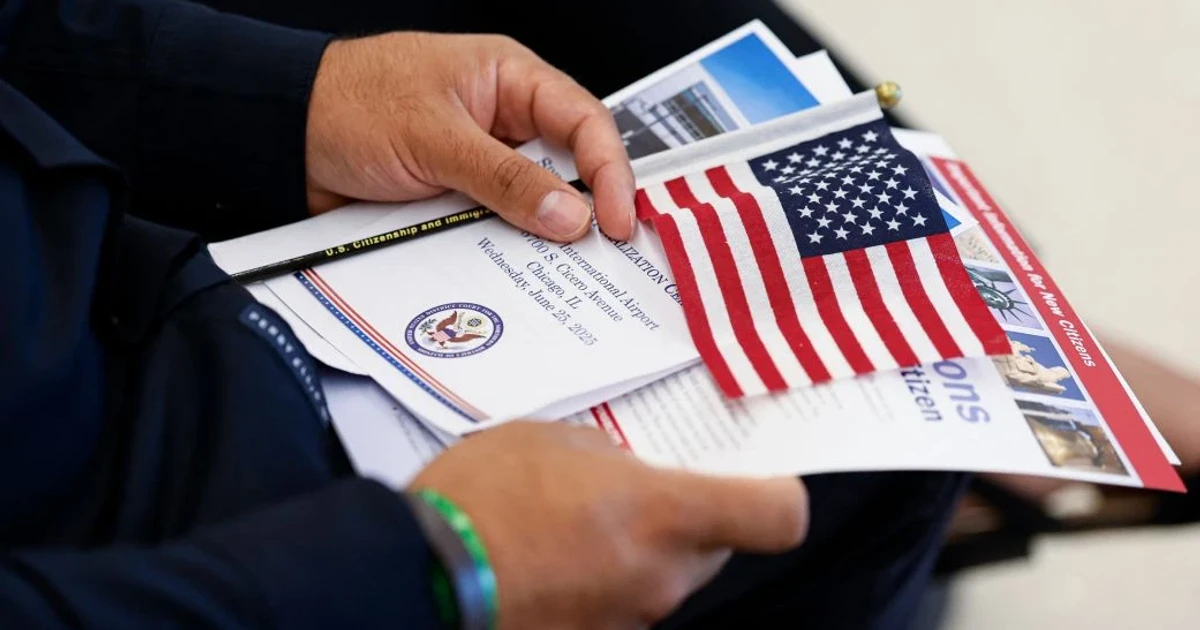
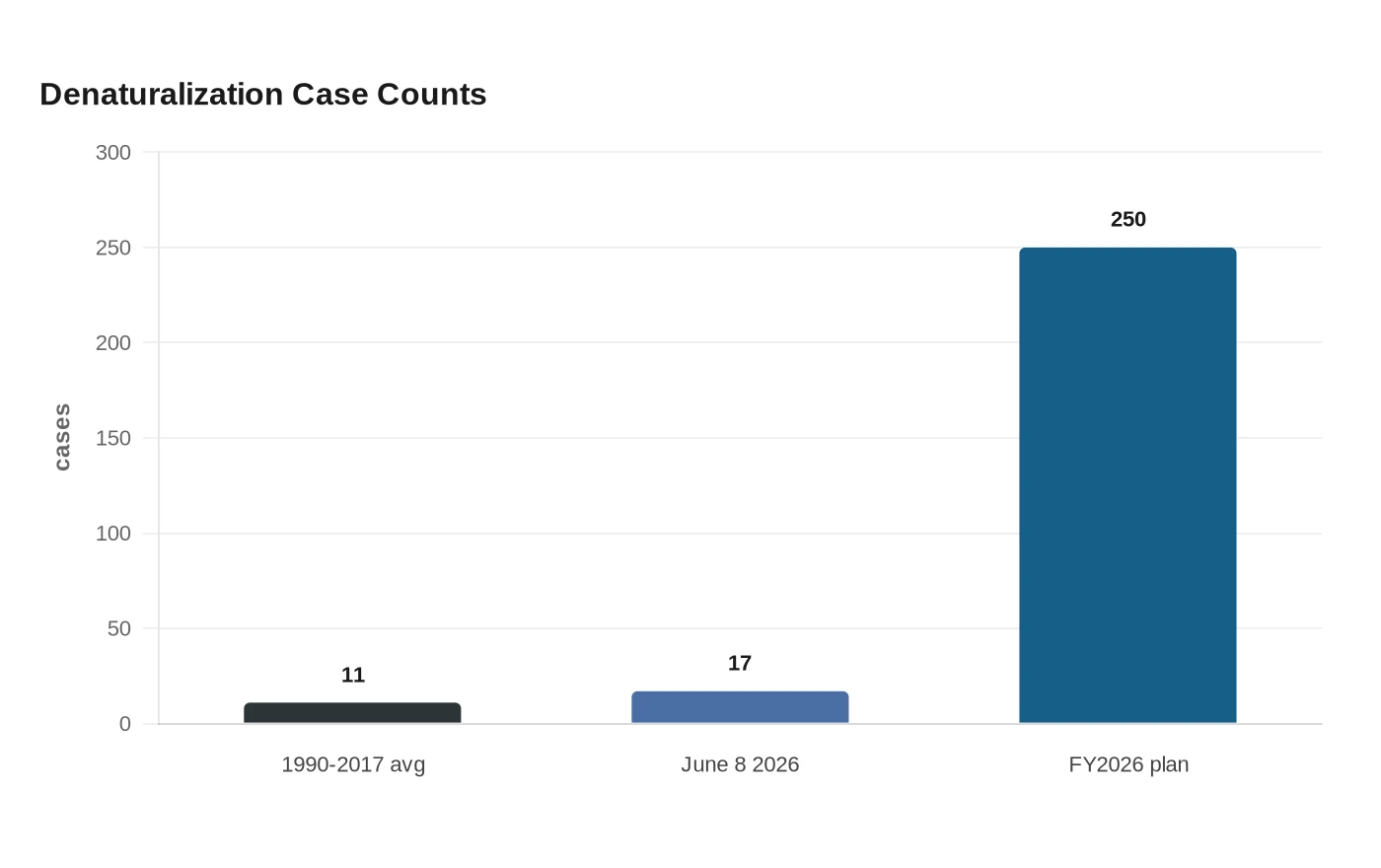
The Trump administration is preparing a broad new push to strip citizenship from more than 250 foreign-born Americans by October, a move that would turn denaturalization from a rare legal remedy into a major immigration enforcement tool. A Justice Department official said the government plans to file at least 250 denaturalization cases in federal court in fiscal 2026, which ends Sept. 30, after already bringing several dozen cases in recent weeks.
Denaturalization is the process that can revoke citizenship if the government proves it was illegally obtained or secured through concealment of a material fact or willful misrepresentation. When the government wins, a naturalized citizen can lose U.S. citizenship, revert to prior immigration status, usually as a green card holder, and face deportation to a country of birth. That makes the stakes unusually high: for the roughly 24 million naturalized citizens in the United States, citizenship is being treated as a status that can be clawed back long after it was granted.

The escalation follows a June 11, 2025 memorandum from the Justice Department’s civil division that made denaturalization one of its enforcement priorities and directed attorneys to pursue all viable cases under federal law. The department has also broadened the categories of cases it is willing to prioritize, including some involving financial fraud. On June 8, 2026, the department announced denaturalization actions against 17 naturalized citizens accused of offenses ranging from immigration fraud to sexual abuse of a minor, wire and bank fraud, and drug-distribution offenses.
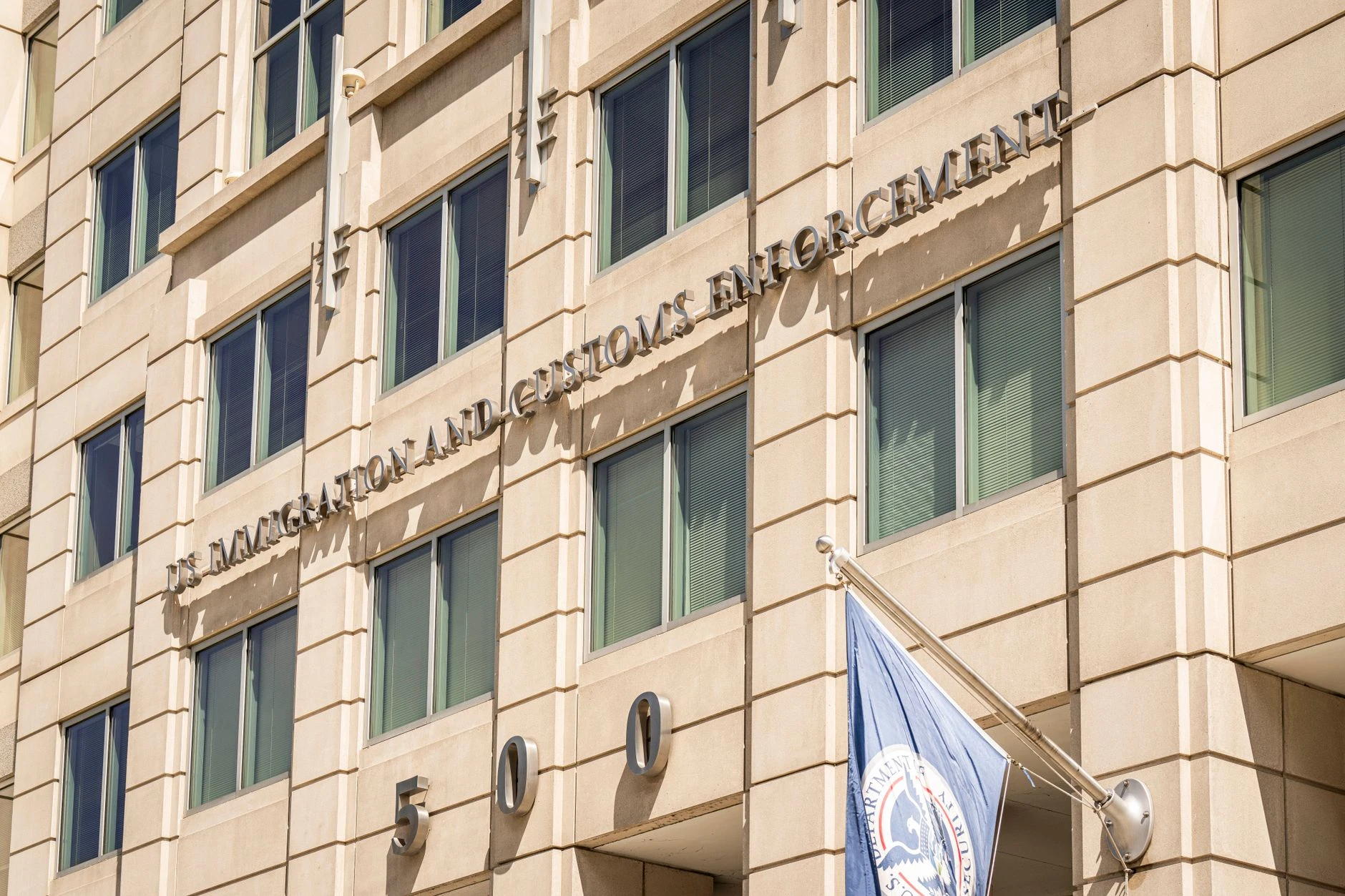
The scale marks a dramatic departure from past practice. Between 1990 and 2017, the U.S. government filed an average of just 11 denaturalization cases a year, according to the Brennan Center for Justice. The administration’s plan would multiply that pace many times over, signaling a far more aggressive use of a power historically reserved for the most serious cases, including violent criminals, war criminals and human-rights abusers.
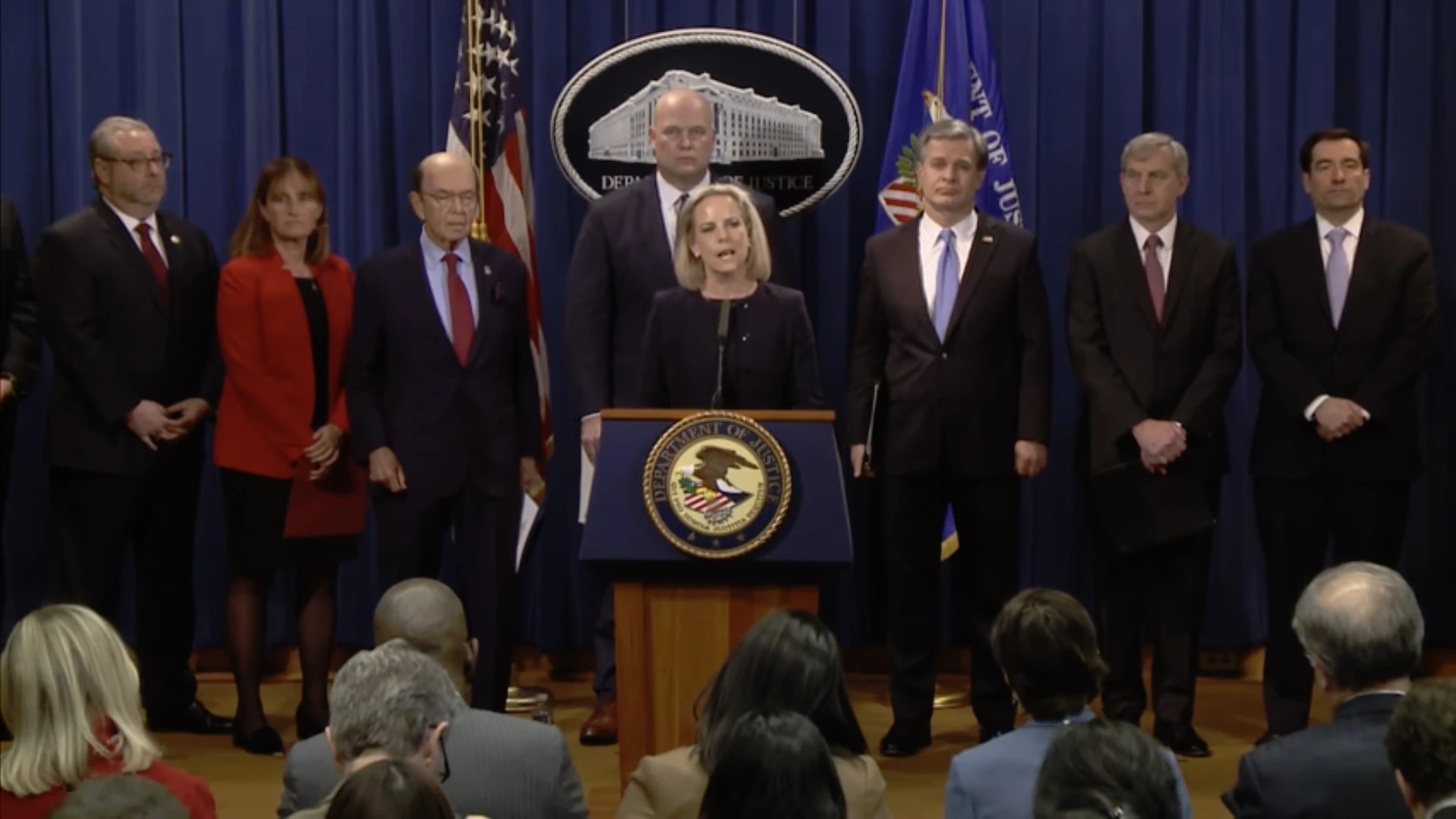
Civil-liberties advocates and immigration lawyers have warned that the campaign risks stretching denaturalization beyond clear fraud cases and into a broader immigration-enforcement weapon. The Justice Department’s recent filings suggest the administration is willing to test that boundary in federal courts across the country, with the outcome likely to shape how secure citizenship remains for naturalized Americans long after their oath of allegiance.
Sources
- [1]cbsnews.com
- [2]justice.gov
- [3]brennancenter.org