Business
Trump administration plans polysilicon price floor, tariffs to counter China
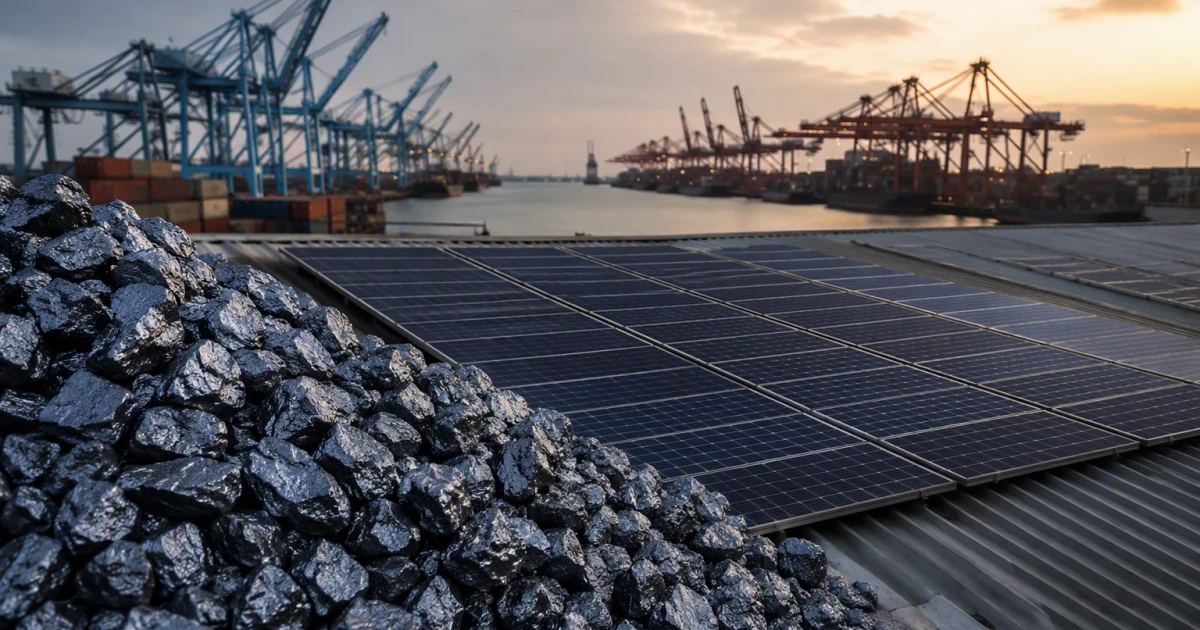
The Trump administration was preparing to set a minimum import price for polysilicon and impose a 15% tariff on the material, which is used in solar panels and semiconductors. The plan would also cover related products and polysilicon derivatives, putting a key industrial input at the center of Washington's campaign to counter China in artificial intelligence and energy.
The decision was expected later in August. A price floor would keep low-priced imports from undercutting domestic sellers, while the tariff would add another layer of protection for U.S. producers. U.S. firms that make polysilicon would gain protection, while costs would land downstream on solar manufacturers and chip supply chains that buy the material as an input.
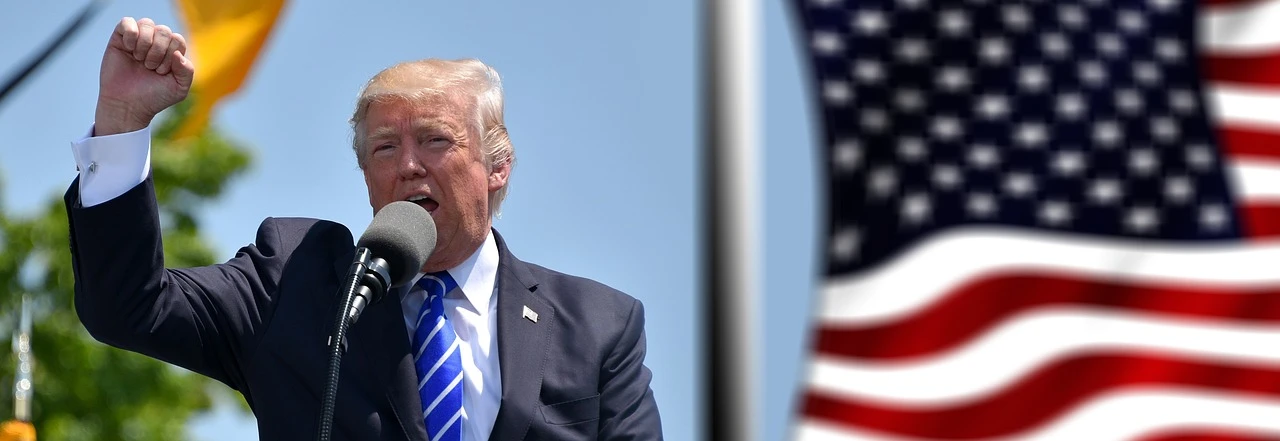
The move would extend pressure on Chinese clean-energy supply chains. On Dec. 13, 2024, the U.S. Trade Representative increased Section 301 tariffs on imports of wafers, polysilicon and some tungsten products from China. A U.S. trade panel vote on May 20, 2025, paved the way for stiffer tariffs on many solar imports.
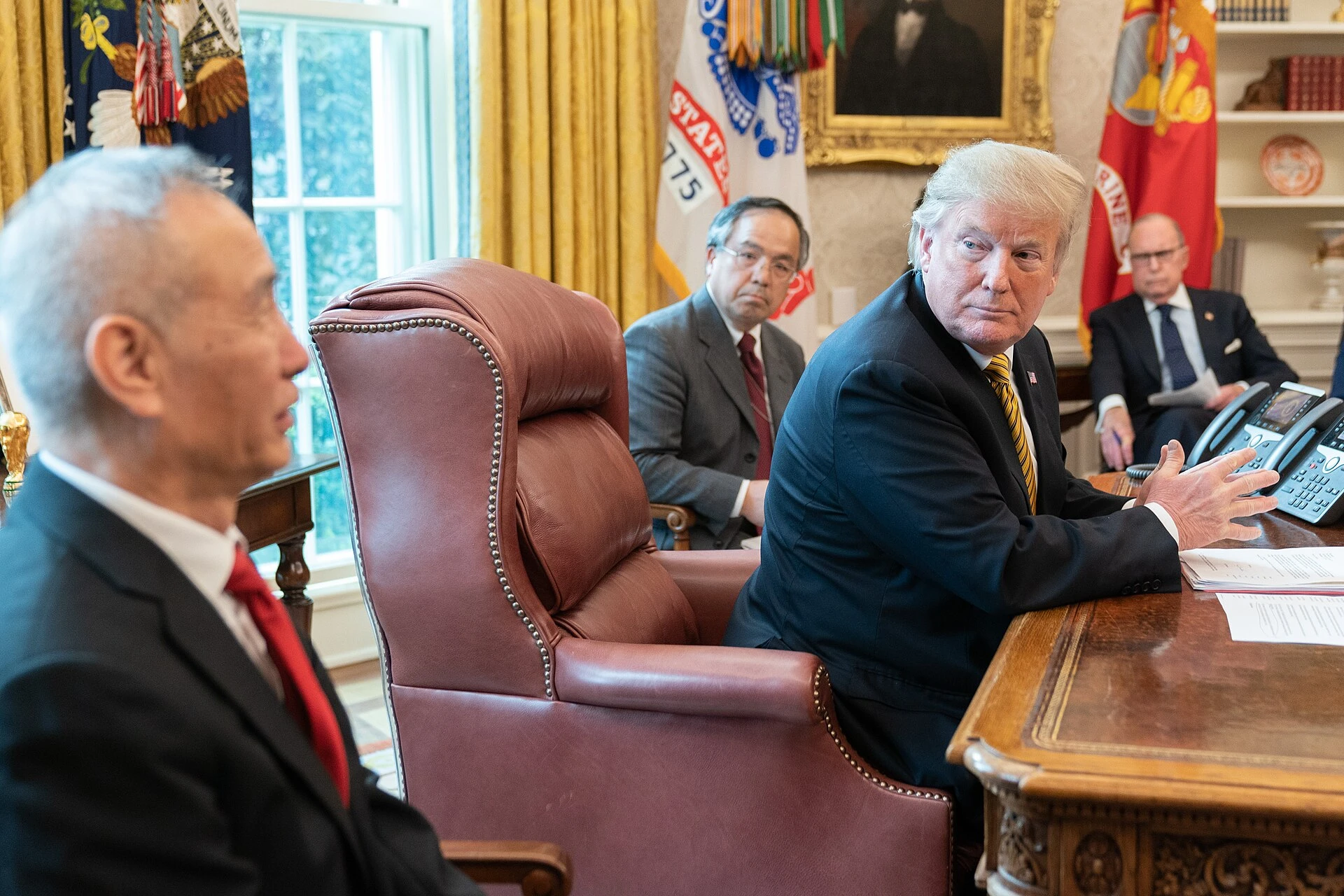
For solar makers, a higher polysilicon floor would mean a higher bill for cells and modules at a time when the industry is already dealing with trade barriers and thin margins. For semiconductor supply chains, where polysilicon is also a critical material, the policy could lift input costs just as the administration is trying to strengthen U.S. competitiveness in artificial intelligence.
Sources
- [1]nytimes.com
- [2]reuters.com
- [3]x.com
- [4]ustr.gov