Politics
Trump administration plans tax incentives to expand paid family leave

The Treasury Department planned to announce new guidance Wednesday to expand tax incentives for employers that offer paid family leave, a move that would help some firms subsidize the benefit while leaving many workers at small companies and in low-wage jobs with no guarantee of coverage. The policy would push a long-running debate over paid leave further into the tax code, where the United States has tried, and largely failed, to solve a national gap that most advanced economies have long covered through law.
The credit at the center of the plan is Section 45S of the Internal Revenue Code. Congress created it in the 2017 Tax Cuts and Jobs Act and later extended it in the Taxpayer Certainty and Disaster Tax Relief Act of 2020. IRS guidance says the credit is generally worth 12.5% to 25% of qualifying paid family and medical leave wages, a structure that can soften the cost for employers but only if they choose to offer the benefit in the first place.
That voluntary design is the policy tradeoff. Workers who gain are the ones whose employers decide to participate, which makes the credit more useful for larger firms and businesses already close to offering leave. The workers most likely to be left out are those at smaller employers and in lower-wage jobs, where managers often say they cannot afford to cover wages while employees are away. For many families, that leaves unpaid leave, vacation days or disability coverage as the only options when a newborn arrives or a sick relative needs care.
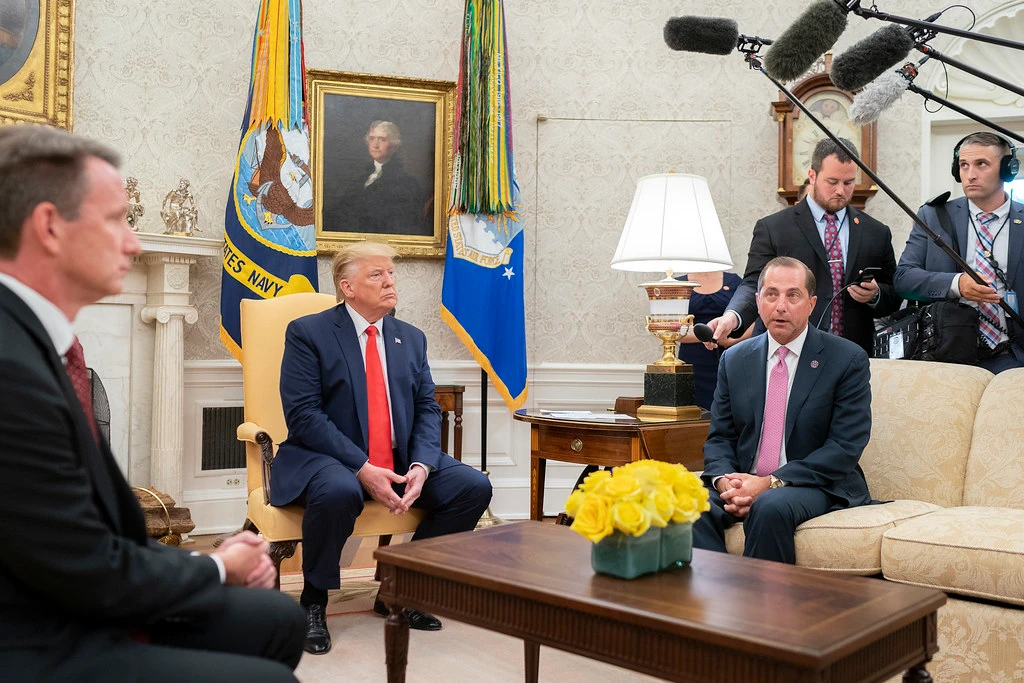
The White House’s approach stands in contrast to the broader mandates Democrats have backed in Congress and in state-level debates. Tax incentives can nudge private employers without creating a universal entitlement, a framing that has political appeal for lawmakers who want more support for working parents without the cost of a nationwide benefit. But the evidence from earlier efforts has been mixed at best. A February 2025 report from the National Partnership for Women & Families said employer paid-leave tax credits had done little to close access gaps, even as AARP said in a July 28, 2025 explainer that the federal employer credit remained one of the main tools used to encourage voluntary paid family and medical leave.
Treasury and IRS guidance can determine how the credit is claimed, who qualifies and which leave plans count. The IRS had already issued Notice 2018-71 on the employer credit, and on March 13, 2026, the American Institute of CPAs sent Treasury comments urging revisions to the guidance, a sign that tax practitioners were pressing for clearer rules before the next expansion.
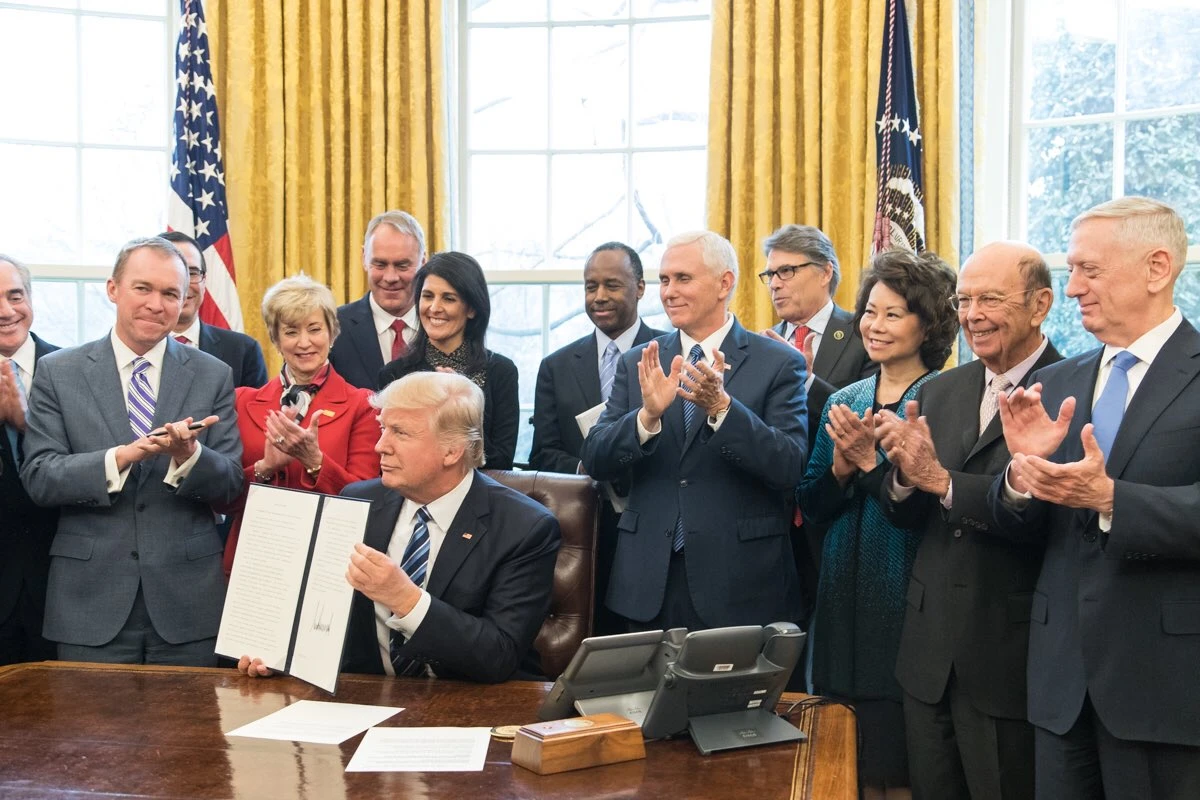
The result will show whether a bigger tax break can move employers that have sat out paid leave for years, or whether the benefit will still cluster in companies that already offer it.
Sources
- [1]reuters.com
- [2]irs.gov
- [3]aarp.org
- [4]taxnotes.com
- [5]nationalpartnership.org
- [6]congress.gov
- [7]thetaxadviser.com