US News
Trump administration proposes looser federal oil and gas drilling rules
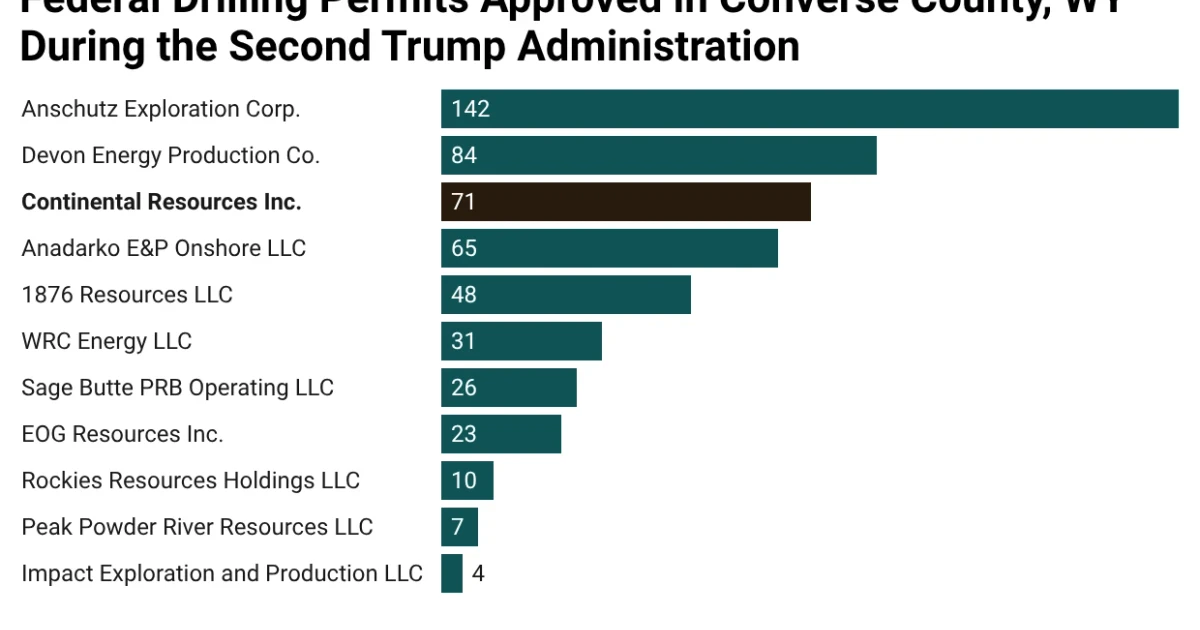
Federal oil and gas drilling on public land would get cheaper and faster for companies under a new Trump administration proposal, but the burden of abandoned wells and weaker public oversight would shift toward taxpayers and Western communities that live with the fallout. The Interior Department said the changes would sharply reduce cleanup obligations and trim the time the public has to contest new drilling.
One part of the proposal would cut statewide bond requirements for oil and gas wells to $25,000 per state, down from $500,000 under a Biden-era rule meant to ensure money is available to plug wells if a company fails or walks away. Another would shorten the public-comment window for drilling permits from 90 days to 10 days, giving communities, ranchers, tribes and recreation interests far less time to weigh in before projects move ahead.
The Biden-era statewide bond minimum took effect on June 22, 2024, and a federal notice dated December 18, 2025, pushed the deadline for operators to meet the $500,000 standard from June 22, 2026, to June 22, 2027. Interior’s new proposal would unwind that approach before the higher bond level fully took hold, reducing the financial cushion that is supposed to cover cleanup if drilling companies fail and leave abandoned wells behind.
The move also follows a separate rollback in May 2026, when Interior finalized rescission of the Bureau of Land Management’s Public Lands Rule. That rule covered 245 million acres and had put conservation on more equal footing with drilling, mining and grazing across federal lands. Environmental groups said more than 90% of public commenters supported the original rule, while Interior said the repeal restored a multiple-use approach centered on local decision-making and responsible energy development.
The stakes are high across the Western United States, where BLM-managed lands support drinking water, wildlife habitat, grazing and outdoor recreation as well as drilling revenue. BLM says its leasing rules are meant to minimize conflicts among those uses, but the latest proposal would give fossil fuel operators more leverage on public land and less pressure to pay for the long-term damage when wells are left behind.
Sources
- [1]nytimes.com
- [2]msn.com
- [3]usnews.com
- [4]federalregister.gov
- [5]blm.gov
- [6]doi.gov
- [7]nrdc.org
- [8]wilderness.org