Health
Trump administration revives public charge rule for green card decisions
The Trump administration moved to restore a tougher public-charge screen for green cards, reopening a standard that could let immigration officers deny permanent residence to applicants seen as likely to use Medicaid, housing assistance or food stamps. The change returns health status to the center of immigration screening, with possible consequences for people with chronic illness, disabilities and low incomes.
Under U.S. Citizenship and Immigration Services policy, applicants for a visa, admission or adjustment of status must show they are not likely at any time to become a public charge unless they are exempt. The agency’s public-charge materials and policy manual cover the statutory factors officers weigh, including receipt of public cash assistance, and the agency’s Sept. 4, 2025 memorandum, “Reaffirming Guidance on Public Charge Inadmissibility Determinations,” laid out a harder line months before the latest move.
Under the revived approach, use of safety-net programs weighs more heavily against applicants, especially in family-based cases where sponsors already have to show enough income.
The Trump administration first expanded public-charge scrutiny through a proposed rule on Oct. 10, 2018 and a final rule on Aug. 14, 2019, broadening the inquiry to include income, health, age, education and certain benefit use. USCIS stopped applying that Trump rule on March 9, 2021 after court rulings ended it, and the Biden administration’s 2022 final rule took effect on Dec. 23, 2022. The current rollback restores that broader framework.
The Migration Policy Institute said a proposed rule could discourage many eligible households, including those with U.S.-citizen children, from using health, nutrition and other basic supports. The American Immigration Council said the rule could affect immigrants’ willingness to access benefits, while the California Immigrant Policy Center said the administration was punishing immigrants for using safety-net programs.
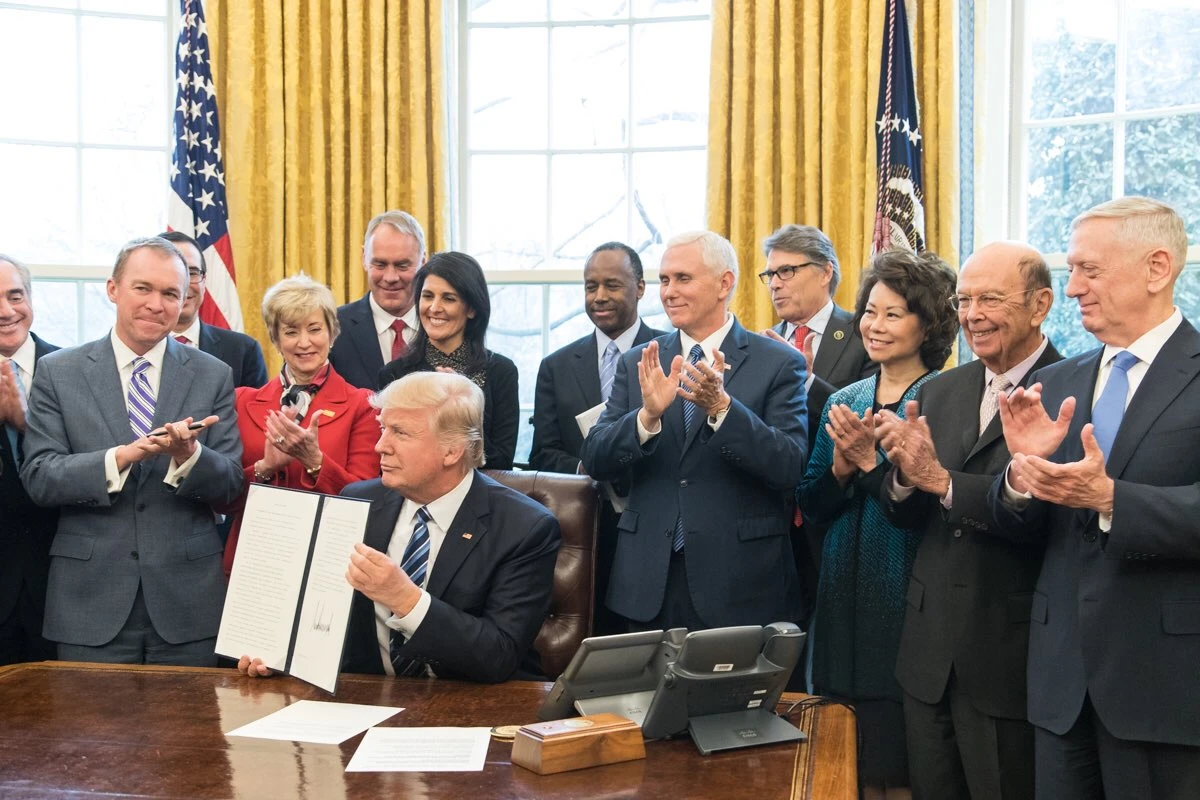
New York City’s Mayor’s Office of Immigrant Affairs updated its public-charge page on July 17, 2026, and the administration moved ahead a day earlier.
Sources
- [1]axios.com
- [2]abcnews.com
- [3]thehill.com
- [4]nyc.gov
- [5]uscis.gov
- [6]ilrc.org
- [7]migrationpolicy.org
- [8]americanimmigrationcouncil.org
- [9]caimmigrant.org