Business
Trump Administration Secures $10 Billion Fee from TikTok Deal
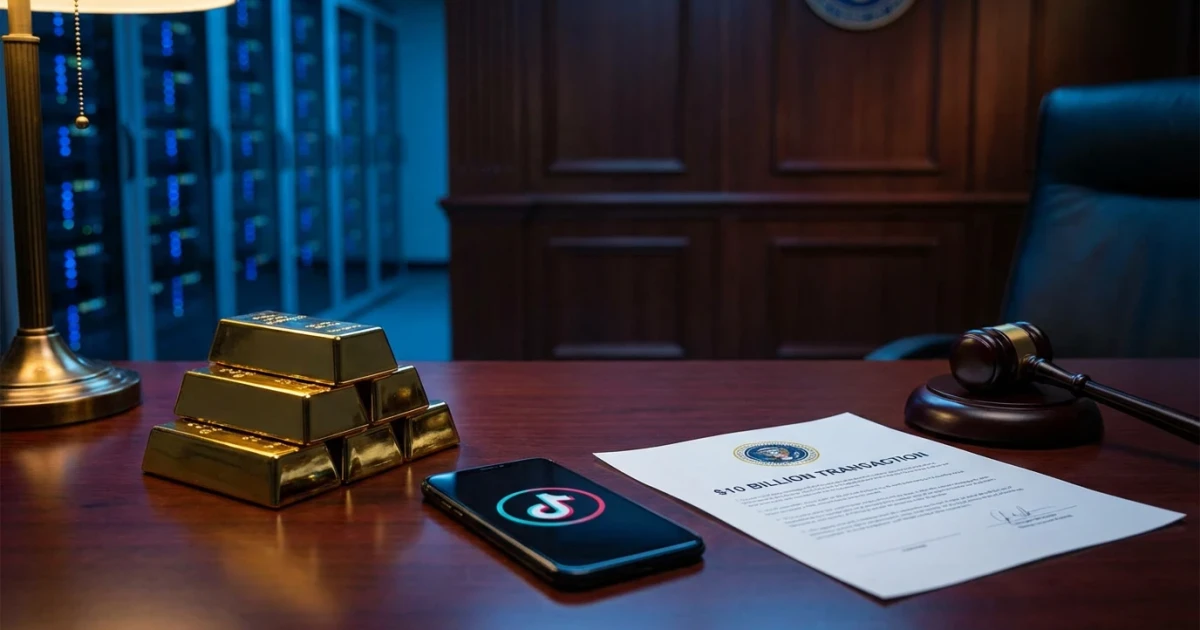
The Trump administration is poised to receive a $10 billion payment for its role in brokering the high-profile TikTok-Oracle agreement, according to multiple news reports. This unprecedented fee emerges as a condition of the government’s approval for the social media app’s continued operations in the United States.
The TikTok-Oracle Deal: Background and Details
The deal, which has been under negotiation for months, centers on the popular video-sharing app, TikTok, and its Chinese parent company, ByteDance. Under pressure from U.S. officials over national security concerns, ByteDance agreed to create a new entity with Oracle as a primary technology partner and investor, maintaining TikTok’s U.S. presence. The agreement reportedly includes measures to safeguard American user data and oversight mechanisms involving Oracle and U.S.-based stakeholders.
Government’s Role in the Negotiation
The Trump administration’s involvement was pivotal in shaping the outcome. As reported by The Guardian and The New York Times, the administration facilitated negotiations between ByteDance, Oracle, and other U.S. investors while also reviewing the deal through the Committee on Foreign Investment in the United States (CFIUS). CFIUS, which assesses foreign investments for national security risks, was instrumental in reviewing and approving the arrangement. The administration’s direct intervention culminated in a one-time $10 billion fee paid by TikTok’s investors to the U.S. government as a condition for approval.
- $10 billion payment to the U.S. government for brokering the deal
- Oracle as a key technology partner in the new U.S.-based TikTok entity
- CFIUS oversight on national security matters
Legal and Policy Context
The arrangement stands out for its scale and precedent. While the U.S. government has previously required foreign companies to divest or restructure to address national security concerns, a direct payout of this magnitude is unusual. The action aligns with growing scrutiny of foreign-owned technology platforms and reflects policies outlined in the Protecting Americans from Foreign Adversary Controlled Applications Act, which empowers the government to impose conditions—including financial ones—on foreign acquisitions.
For context, federal receipts from such a fee would be significant when compared to other non-tax revenue sources. According to the Congressional Budget Office, most federal revenue comes from income, payroll, and corporate taxes, with transaction-specific payments like this being rare and notable.
Implications and Reactions
Analysts note that the TikTok deal could serve as a template for future government interventions in foreign-owned technology companies. The Brookings Institution has previously examined the national security rationale for such actions, arguing that while data security is a legitimate concern, the imposition of large payments or forced partnerships raises questions about the balance between security and economic intervention.
The Guardian and The New York Times both highlighted the lack of precedent for a government extracting a direct fee for facilitating a private-sector deal. Critics have expressed concerns about transparency and the potential for such arrangements to influence future technology policy and investment decisions.
What Comes Next?
With the fee set to be paid, all eyes will be on the long-term impact of this deal. Observers are watching whether the arrangement provides a viable model for addressing national security risks associated with foreign-owned apps, or if it sets a controversial precedent for government involvement in corporate transactions. The TikTok-Oracle deal, and the $10 billion payment attached, will likely be scrutinized by lawmakers, regulators, and business leaders in the months ahead.