Science
Trump Administration Seeks Major Cut to NASA Science Budget
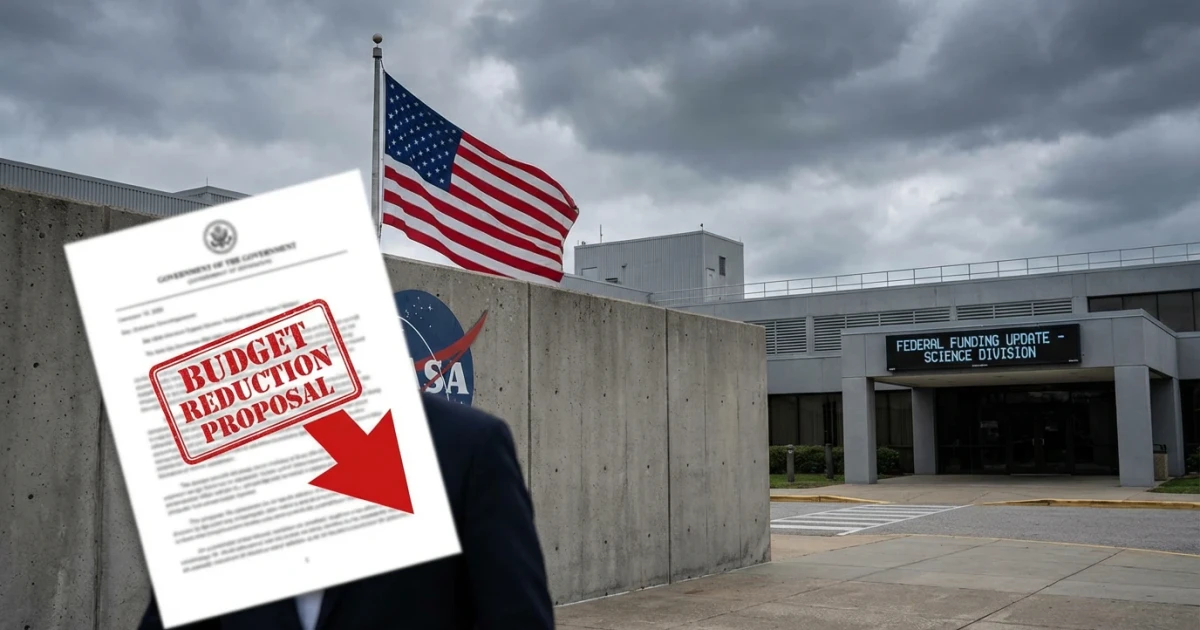
President Donald Trump’s latest budget proposal calls for a dramatic 47% reduction to NASA’s science funding, mirroring similar attempts made during his previous term. This move, reported by Space, has quickly reignited debates about the future of U.S. space exploration, research, and technological leadership.
The Scale and Scope of the Proposed Cuts
The Trump administration’s plan would significantly decrease NASA’s science budget, threatening core programs in planetary science, astrophysics, Earth science, and heliophysics. Analysts note that the proposed 47% reduction could mark the deepest single-year cut to NASA science in decades. For context, NASA’s Science Mission Directorate currently funds dozens of active missions, ranging from Mars rovers and climate satellites to exoplanet research and solar studies.
- Previous Trump-era proposals also targeted deep reductions, but Congress largely rejected them, restoring or increasing science budgets instead.
- The new proposal arrives amid ongoing projects like the James Webb Space Telescope, Mars Sample Return, and climate monitoring satellites, all of which depend on stable funding.
Potential Impact on Space Science and Exploration
Cutting nearly half of NASA’s science budget could force the agency to delay, downsize, or cancel numerous missions. According to analysis by The Planetary Society, even a modest reduction can have outsized effects, as many science missions are multi-year endeavors with fixed costs and international partnerships.
Major missions at risk include:
- Mars Sample Return, a flagship mission to bring Mars rocks to Earth for the first time
- Earth-observing satellites crucial for climate and weather data
- Astrophysics programs searching for habitable worlds and studying cosmic phenomena
Data from the NASA Open Data Portal highlights the scientific output and public resources these programs generate. A cut of this magnitude could curtail access to open science data and stall progress on high-priority research.
Congressional Role and Historical Context
While the White House budget sets priorities, Congress ultimately determines federal spending. Historically, lawmakers from both parties have shown strong bipartisan support for NASA science. The Commerce, Justice, Science, and Related Agencies Appropriations Act is where final funding levels are negotiated.
- In past years, Congress has largely ignored or reversed proposed science cuts, often citing the importance of U.S. leadership in space and the tangible economic, educational, and security benefits of NASA research.
- Many space advocates expect a similar response, though the scale of the proposed reduction has heightened concerns among scientists and international partners.
Broader Implications for Innovation and Leadership
NASA’s science missions have long driven technological innovation, international collaboration, and STEM education. Analysts warn that deep funding cuts could jeopardize U.S. competitiveness in the global space sector and weaken partnerships with agencies such as ESA, JAXA, and CSA.
For those interested in the details, NASA’s FY 2025 Budget Estimates and the GAO’s assessments of major projects provide extensive documentation on funding needs, project status, and the risks of budget shifts.
What Happens Next?
The budget proposal will begin its journey through the legislative process, where it is expected to face significant pushback. With space science at a crossroads, the coming months will determine whether the proposed cuts become reality or if Congress once again preserves NASA’s scientific mission for the nation and the world.