World
Trump Administration Unveils Iran Peace Plan Amid Tensions
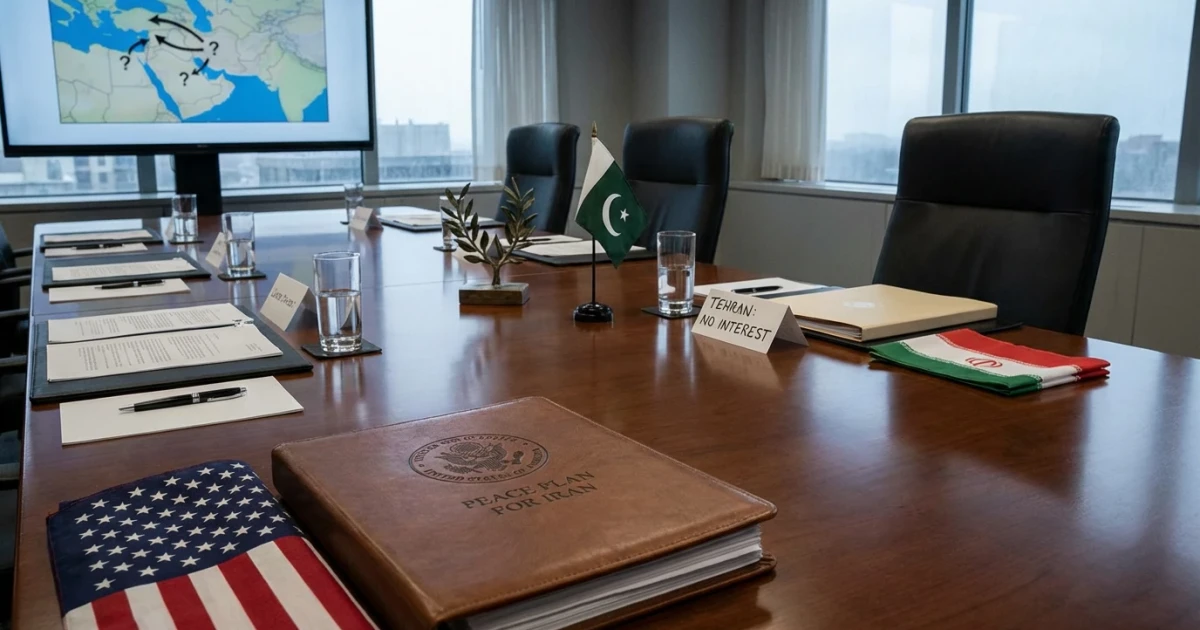
The Trump administration has put forward a 15-point peace proposal aimed at de-escalating tensions with Iran, according to reports first published by Fox News. The initiative comes as Pakistan extends an offer to facilitate talks between the two adversaries, but initial responses from Tehran indicate little appetite for renewed negotiations with Washington.
U.S. Peace Proposal and Diplomatic Overtures
The White House’s new plan, described as a 15-point proposal, seeks to create a framework for resolving longstanding disputes between the United States and Iran. Details of the proposal have not been publicly released, but U.S. officials emphasized its focus on addressing nuclear concerns, regional security, and the lifting of certain economic sanctions if Iran complies with specific commitments.
In an unexpected development, Pakistan has offered to mediate, positioning itself as a neutral party willing to host direct discussions between American and Iranian officials. Islamabad’s diplomatic outreach follows heightened regional anxiety over potential escalation in the Gulf and broader Middle East.
Iran’s Response: No Talks with U.S.
Despite renewed international efforts to encourage diplomacy, Iran’s foreign minister swiftly dismissed the Trump administration’s overture. According to Fox News, the minister stated that Iran "has no intention to hold talks with U.S.," reiterating longstanding skepticism toward American initiatives since the U.S. withdrawal from the 2015 nuclear deal. Iranian officials have repeatedly called for the U.S. to lift sanctions and rejoin the nuclear agreement as a precondition for any future discussions.
This resistance is consistent with recent patterns of Iran-U.S. diplomatic tensions, which have included military incidents in the Gulf and a cycle of retaliatory measures on both sides.
Regional and International Context
- U.S.-imposed sanctions on Iran remain a central obstacle to progress, affecting Iran’s economy and its willingness to negotiate.
- The SIPRI Arms Transfers Database shows ongoing concerns about regional arms flows and military buildup, factors which complicate peace efforts.
- Public opinion data from Pew Research suggests that a majority of Iranians remain deeply distrustful of the U.S., further limiting Tehran’s flexibility.
Pakistan’s mediation offer reflects growing anxiety among neighboring states about the risks of wider conflict. Previous attempts at dialogue have faltered due to mutual distrust and conflicting demands, as documented in the Council on Foreign Relations’ analysis of U.S.-Iran diplomacy prospects.
What Comes Next?
While the Trump administration’s 15-point plan demonstrates a willingness to engage diplomatically, the lack of concrete movement from Tehran suggests few immediate prospects for direct negotiations. The situation remains fluid, with regional actors like Pakistan playing a potentially larger role in future peace-building initiatives.
Observers note that sustained diplomacy, economic incentives, and security guarantees may be necessary to bring both sides to the table. For now, the international community continues to watch closely, weighing the possibility of dialogue against the risk of further escalation.