US News
Trump administration weighs turning plutonium into nuclear reactor fuel
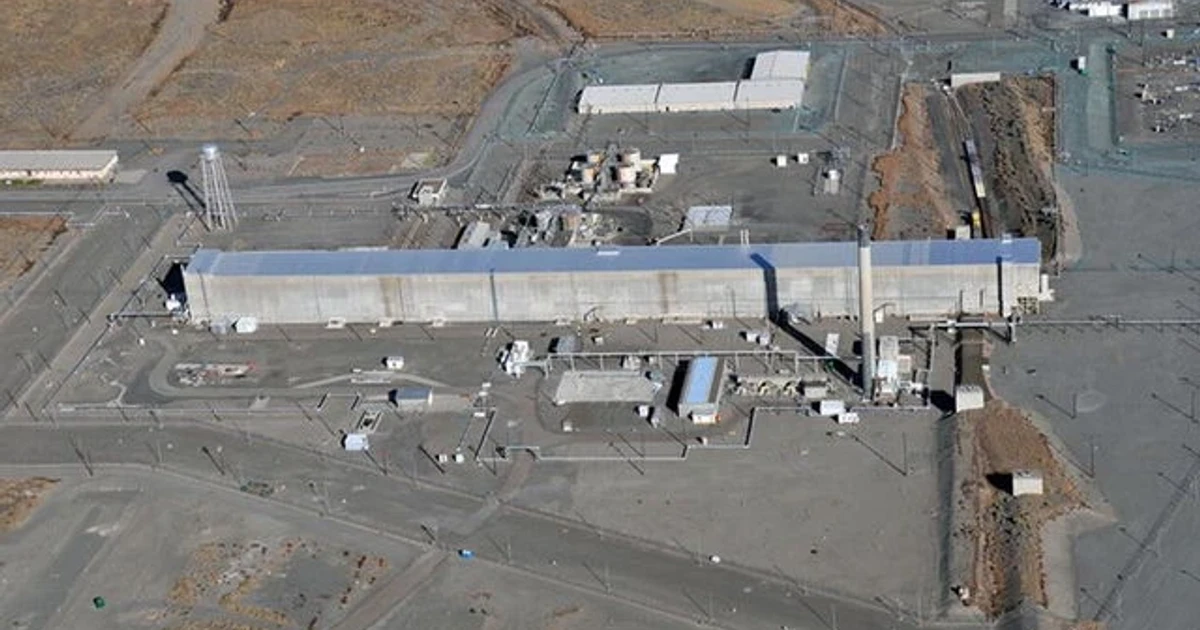
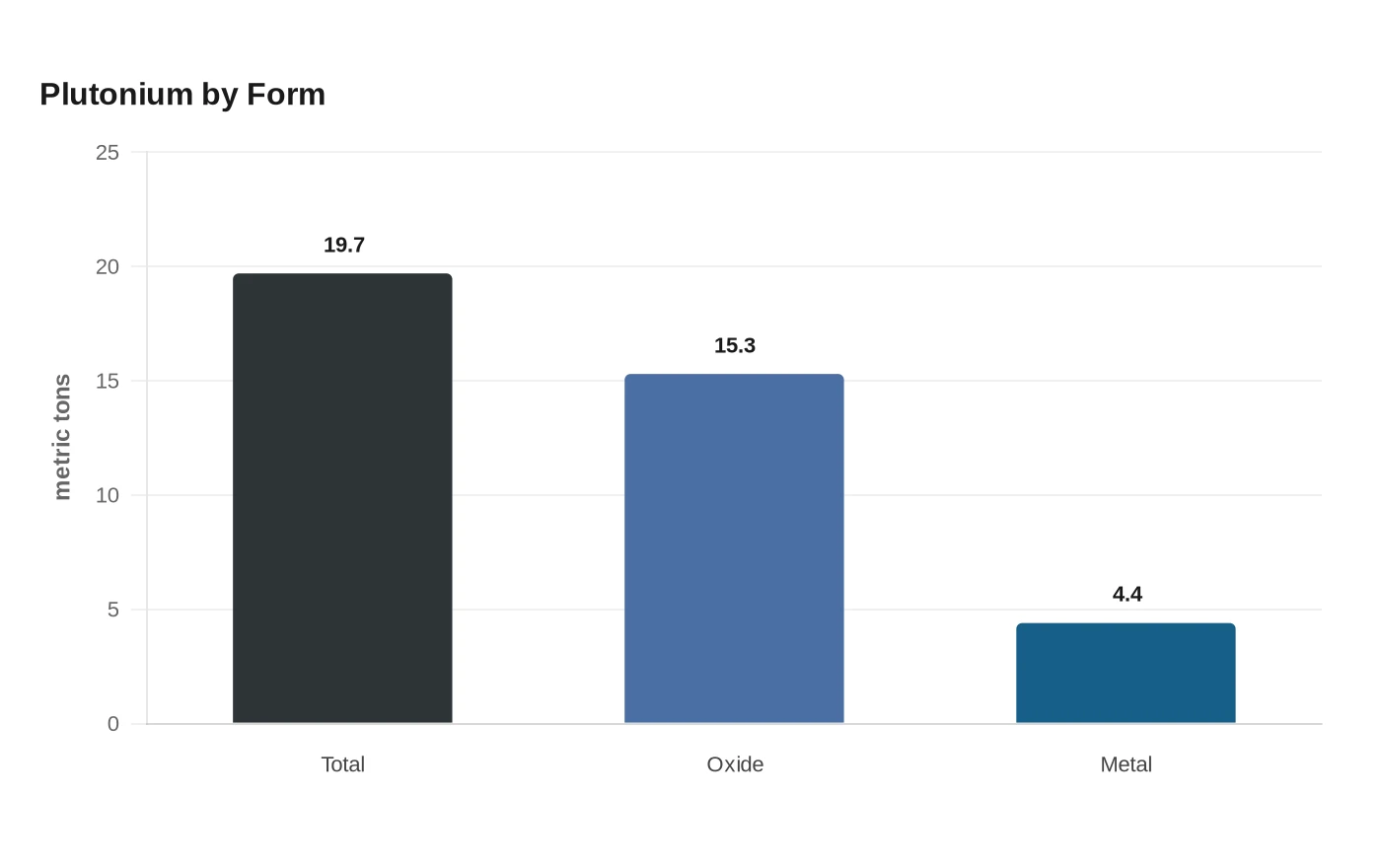
The Trump administration’s push to turn weapons-grade plutonium into reactor fuel faces a blunt obstacle: the material is far easier to guard as a bomb risk than to move through a civilian supply chain. Officials are weighing whether 19.7 metric tons of Cold War-era plutonium, including material from dismantled warheads, can help ease pressure on the grid as data-center demand surges.
The Department of Energy set up its Surplus Plutonium Utilization Program in October 2025 to explore that idea. By May 2026, the department had selected five companies for advanced talks: Oklo, Flibe Energy, Exodys Energy, SHINE Technologies and Standard Nuclear. Oklo later said it was working with European reactor developer newcleo on the effort, and the two companies said the partnership could draw as much as $2 billion in planned investment for U.S. fuel-fabrication infrastructure, pending approvals and security reviews.

The program’s scale is large, but so are the hazards. The material on offer includes about 15.3 metric tons of plutonium oxide and 4.4 metric tons of metal. The Energy Department’s environmental review for the disposition program says the goal is to make surplus plutonium not readily usable in nuclear weapons, not to commercialize it outright. That distinction matters because the material is weapons-usable, and even a grapefruit-sized amount could be used to make a weapon with roughly the power of the one the United States dropped on Nagasaki.
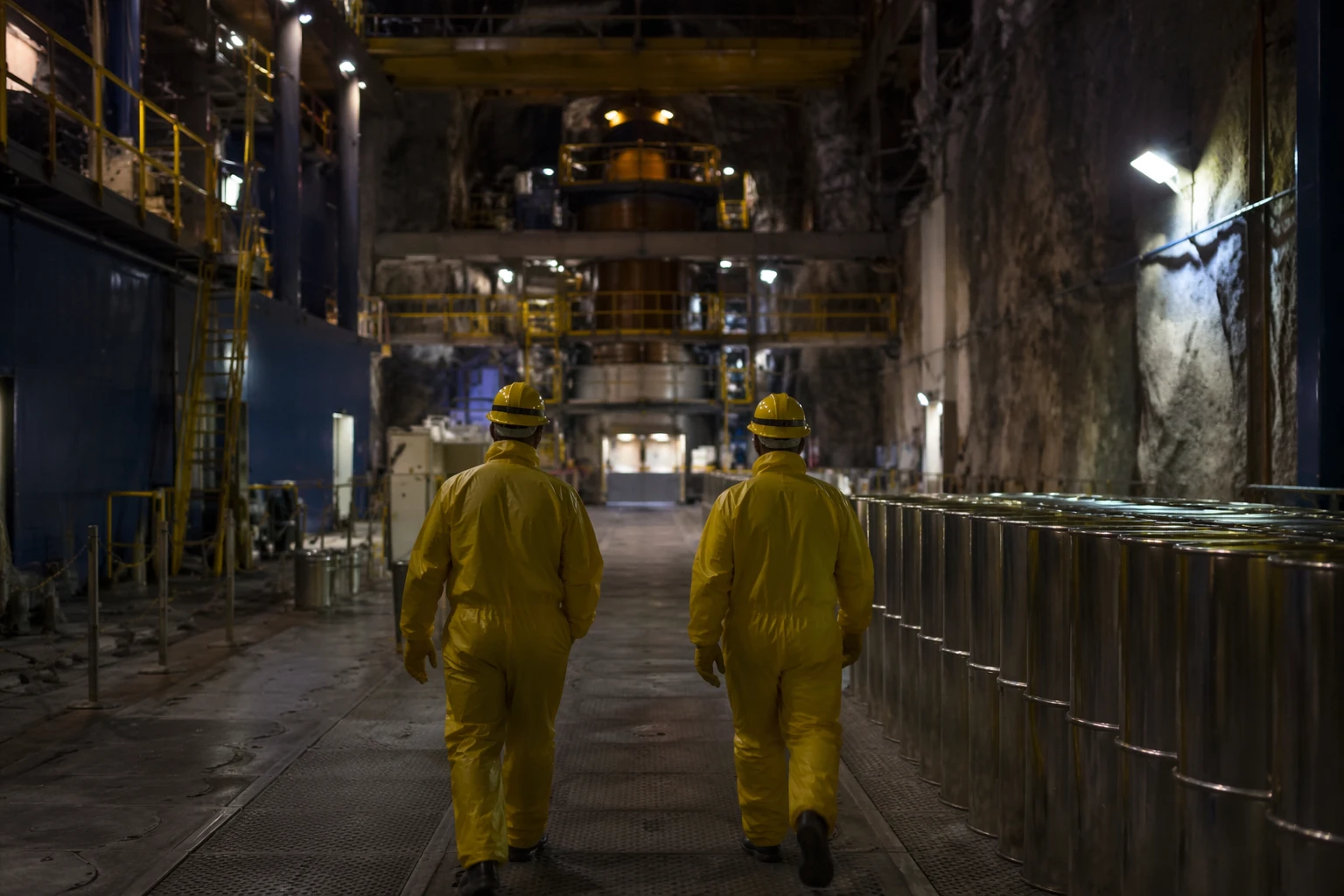
That danger carries practical consequences for any civilian fuel plan. The dust can be harmful if inhaled, plutonium has a long half-life, and any handling would demand specialized transport, storage, packaging, stabilization and constant oversight. The Energy Department has said companies pursuing the material would need formal safety and security plans, and it expects most workers at a plutonium-handling facility to need the highest-level security clearances. A former department security official warned that taxpayers could wind up paying much of the bill for those protections.

The White House is treating the fuel experiment as part of a broader effort to expand U.S. nuclear capacity and, by 2050, quadruple it. That ambition is tied to rising electricity demand from the data-center buildout and the larger search for power sources that do not rely so heavily on fossil fuels. But the plutonium plan is also unprecedented: the federal government has never before handed weapons-grade plutonium to private companies for civilian fuel use, and that history may prove harder to overcome than the shortage of reactor fuel itself.
Sources
- [1]usnews.com
- [2]ans.org
- [3]energy.gov
- [4]oklo.com
- [5]businesswire.com