Technology
Trump Administration’s AI Policy Faced Criticism Over Ideological Roots
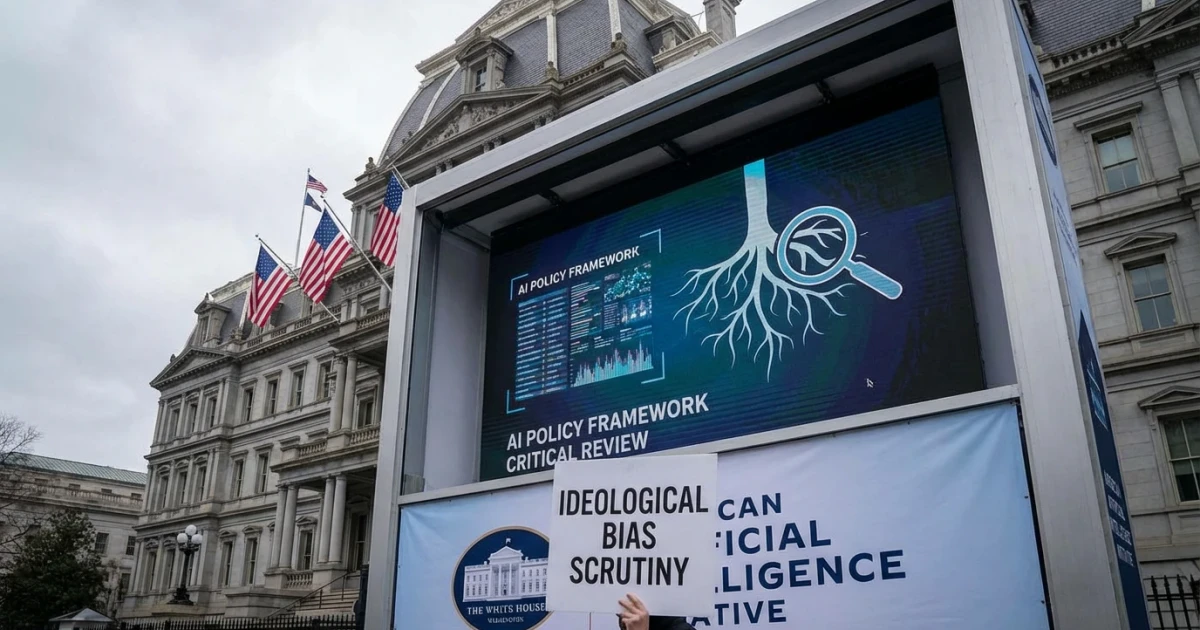
The Trump administration’s approach to artificial intelligence (AI) policy drew attention for its focus on economic growth and innovation, but critics argue that its framework was underpinned by distinct ideological choices. Though officials framed their policies as neutral and pragmatic, analysis from Tech Policy Press points to a clear philosophical direction that influenced both regulatory strategies and federal investment in AI.
Economic Competitiveness at the Forefront
The administration’s AI policy, as outlined in the American Artificial Intelligence Initiative: Year One Annual Report, stressed the importance of maintaining U.S. leadership in AI research and development. The framework prioritized:
- Boosting federal investment in AI research and development
- Encouraging public-private partnerships
- Reducing regulatory barriers to AI deployment
- Promoting technical standards for trustworthy AI
These priorities aligned with broader economic objectives, aiming to strengthen the U.S. position in global technology competition. The National Artificial Intelligence Research and Development Strategic Plan: 2019 Update documented increased funding for AI research, with the federal government investing in basic and applied research across multiple agencies.
Regulatory Philosophy and "Light-Touch" Approach
One of the most distinctive features of the administration’s strategy was its commitment to a so-called "light-touch" regulatory approach. The OMB Memo M-21-06: Guidance for Regulation of Artificial Intelligence Applications instructed federal agencies to avoid unnecessary regulatory burdens that could stifle innovation. This guidance emphasized:
- Promoting public trust in AI while minimizing regulatory costs
- Prioritizing voluntary technical standards over prescriptive rules
- Encouraging self-regulation and industry-led best practices
Tech Policy Press noted that, while these principles were framed as neutral, they reflected a belief in market-driven solutions and limited government intervention—a hallmark of the administration’s broader policy agenda.
Debate Over Underlying Ideology
Despite government claims of neutrality, Tech Policy Press argued that the framework’s ideological underpinnings were apparent in its selective priorities. The administration often highlighted the risks of overregulation while downplaying calls for more robust oversight of potential harms—such as algorithmic bias or AI-driven surveillance. Initiatives like the NIST Special Publication 1270, which proposed ways to identify and manage AI bias, were developed as voluntary guidelines rather than enforceable rules.
Critics questioned whether this approach adequately addressed ethical, social, and civil rights concerns associated with AI. The Artificial Intelligence Initiative Act and other legislative proposals sought to clarify the federal government’s role, but the administration’s policies often stopped short of supporting mandatory accountability measures.
Balancing Innovation and Oversight
Supporters of the administration’s policy cited the importance of maintaining U.S. competitiveness in a rapidly evolving field. They argued that flexible, innovation-friendly policies would help attract investment and talent, fostering breakthroughs in areas like healthcare, transportation, and national security. The administration also promoted open-source collaboration, as seen in federal support for tools like GluonTS, a toolkit widely used in time series AI research.
However, Tech Policy Press and other analysts maintained that the absence of stronger regulatory safeguards left gaps in public accountability. They pointed to ongoing debates over data privacy, transparency, and the societal impact of AI deployments, arguing that market mechanisms alone might not be sufficient to address these challenges.
Looking Forward
The Trump administration’s AI policy framework set a tone for the national conversation on technology governance, emphasizing economic priorities and regulatory restraint. As AI continues to advance and new administrations shape policy, the balance between innovation and oversight remains a central question. The legacy of this framework—and its underlying ideology—will continue to influence how the U.S. manages the opportunities and risks of artificial intelligence.