US News
Trump Administration’s Request for Minnesota Voter Rolls Sparks Legal and Political Debate
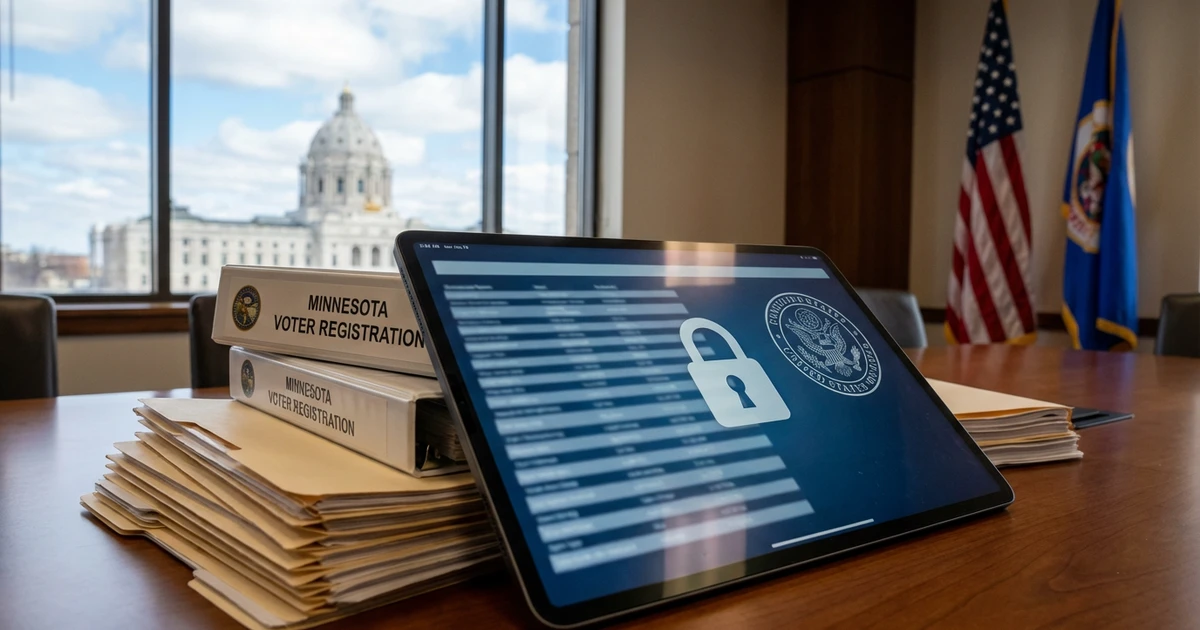
The Trump administration’s recent request for access to Minnesota’s voter rolls has set off a wave of controversy, raising questions about election integrity, voter privacy, and the motivations behind federal involvement in state election affairs.
The Federal Request and Its Context
The administration’s demand for Minnesota’s comprehensive voter records comes at a time of heightened scrutiny over election laws and procedures across the United States. While the specific rationale for the request has not been fully detailed publicly, the move follows a broader pattern of federal inquiries aimed at examining voter registration systems in several states.
Legal Concerns and State Response
The push for Minnesota’s voter data has sparked immediate legal concerns. State officials have questioned both the scope and necessity of the request. Many election experts point to the importance of safeguarding sensitive voter information, including names, addresses, and potentially identifying data.
According to reporting, the Trump administration has framed its request around ensuring adherence to federal election laws. This stance is underscored by a letter sent by federal officials, which reportedly sets out ‘rule of law’ conditions for the release of voter data. The letter has prompted state election authorities to scrutinize whether compliance would violate state privacy protections or run afoul of local statutes governing the handling of voter information.
Concerns Over Privacy and Precedent
Privacy advocates warn that handing over voter rolls to the federal government could set a troubling precedent. There are fears that such actions might open the door to future intrusions into the electoral process, or even lead to voter intimidation if sensitive data is misused or disclosed improperly.
- Voter rolls typically contain: full names, addresses, dates of birth, and, in some cases, partial Social Security numbers.
- State laws often tightly regulate how this data can be shared and with whom.
Past instances of voter data requests by federal authorities have met with resistance from both state officials and advocacy groups, reflecting a persistent tension between federal oversight and state control over elections.
Political Implications and Potential Motivations
The request from the Trump administration has fueled speculation about possible political motives. Critics argue that such demands could be part of a broader effort to challenge or scrutinize voting practices in states that lean toward the Democratic Party. Minnesota, in particular, has often been the focus of close electoral contests in recent years, making any federal intervention especially sensitive.
Supporters of the administration’s approach contend that robust oversight is essential to protect the integrity of the electoral system, especially as debates over voter fraud and election security continue to play a central role in national politics.
Looking Ahead
The outcome of this standoff could have significant consequences for the balance of power between state and federal authorities in election administration. If Minnesota agrees to the federal request, other states may face similar demands, further inflaming the national debate over voting rights and privacy. Conversely, a refusal could escalate into a legal battle, with broader implications for the future of American elections.
As the situation develops, all eyes will remain on Minnesota’s election officials as they weigh legal obligations, privacy concerns, and the potential impact on public trust in the democratic process.