Politics
Trump advances White House event space and monumental arch plans
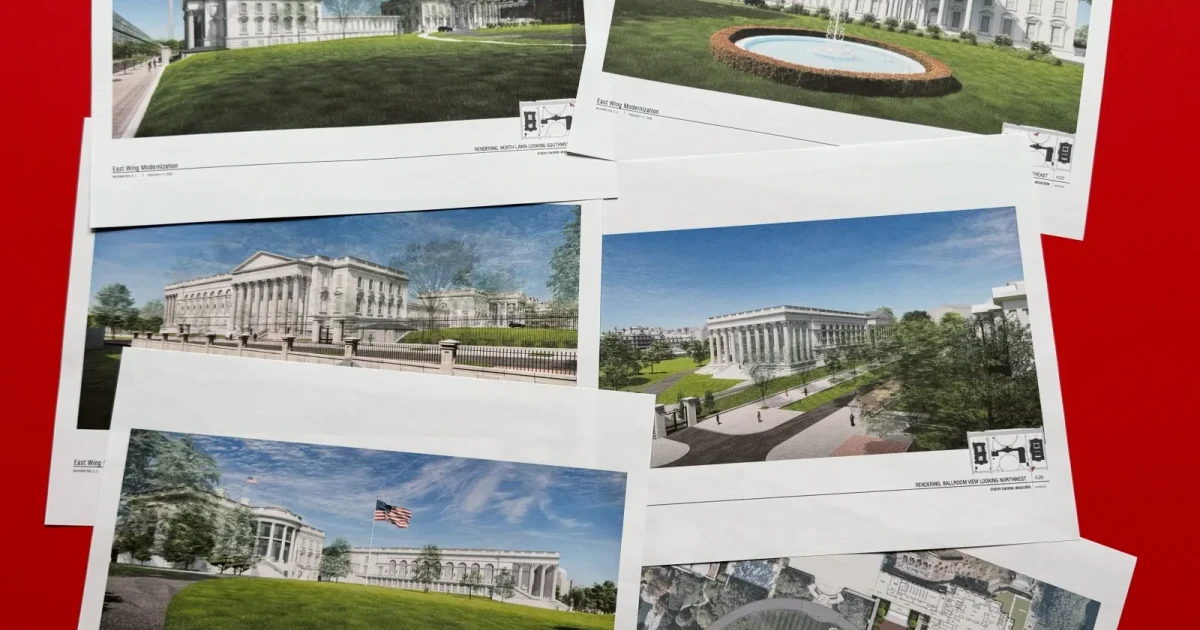
The White House moved ahead with a permanent East Wing modernization aimed at creating a secure event space with more room for official state functions, while the Trump administration also advanced a towering Monumental Arch plan meant to stand in Washington’s ceremonial core. Together, the two projects show a governing style built as much through stone, scale and symbols as through policy.
The East Wing proposal has been in front of the National Capital Planning Commission since at least an informational session on January 8, 2026, when the Executive Residence took part in the meeting. The White House followed with a project narrative dated February 5, 2026, and NCPC materials listed both preliminary and final review, with a final vote set for April 2, 2026. The project is described as a way to establish a permanent, secure event space that would expand capacity for official state functions, a significant shift for a part of the White House closely tied to public access, preservation and the building’s historic character.
Preservation groups quickly pushed back. The National Trust for Historic Preservation testified against the East Wing modernization at an NCPC meeting on March 5, 2026, objecting to changes affecting a national historic landmark and pressing for more rigorous preservation review. The fight over the East Wing reflects a familiar Trump-era instinct: treat the White House not just as an office, but as a physical stage for authority, where renovations can signal permanence as forcefully as any speech.
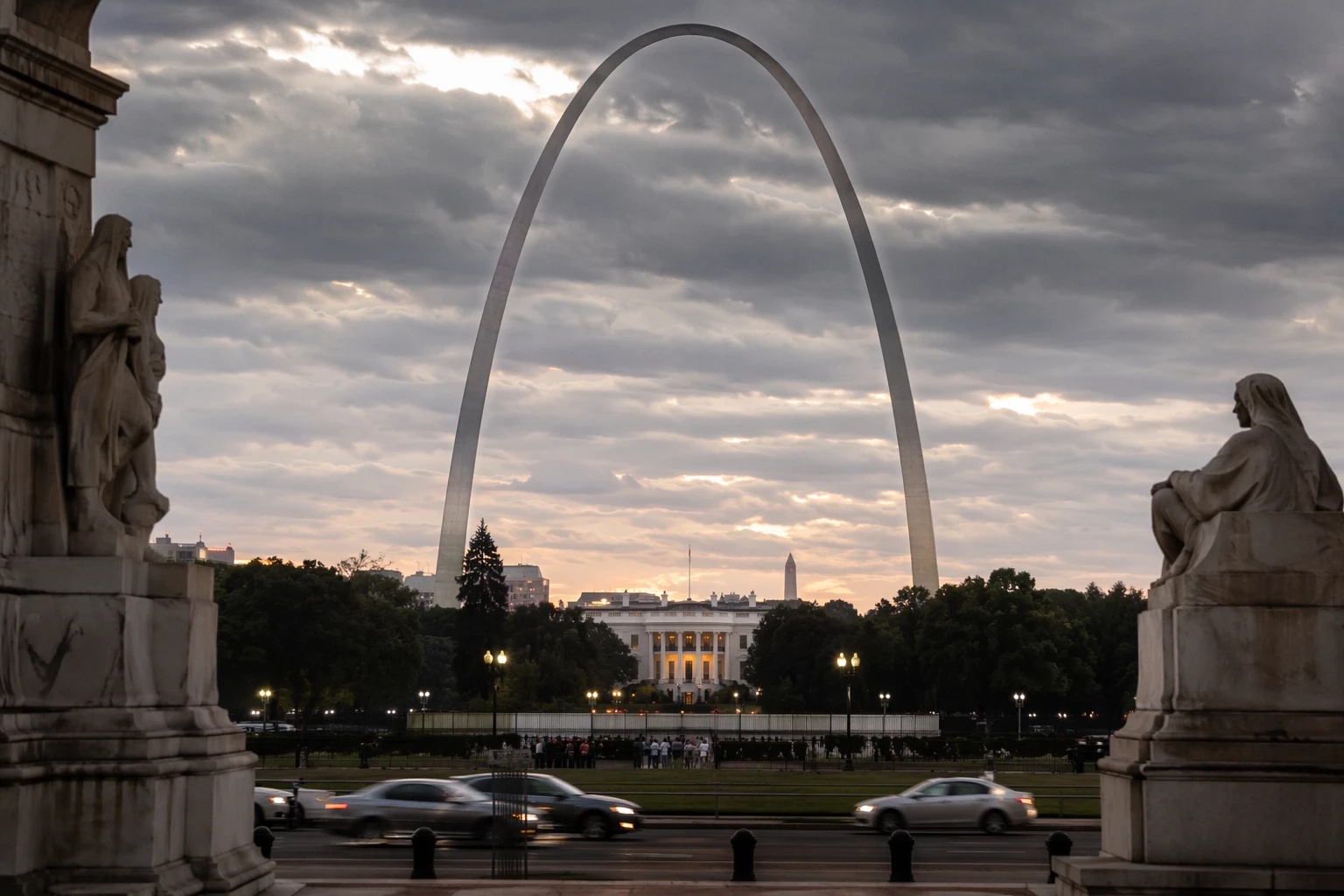
That same impulse ran through the Monumental Arch proposal now moving through federal review. The U.S. Department of the Interior submitted concept plans for an arch in Memorial Circle on Columbia Island, aligned with Memorial Avenue and the Memorial Bridge. NCPC described the design as a 166-foot structural arch rising to 250 feet overall, topped by three gilded winged figures, with plaza, landscape, security, lighting, utility, stormwater and traffic changes wrapped around it.
NCPC approved comments on the concept plans at its June 4, 2026 meeting, and later materials showed preliminary and final site and building plans submitted for approval. The National Parks Conservation Association urged the commission to reject the arch, warning that it would harm the National Mall viewshed, disrupt the relationship between Arlington National Cemetery and the Lincoln Memorial, and move ahead before National Environmental Policy Act and Section 106 review were complete.
The arch has also been linked to the nation’s 250th anniversary in 2026, part of a broader push to remake the capital’s skyline. That push has carried a sharper edge in Washington, where the administration has sought a reading of federal rules that would let Trump build a 250-foot arch, or other federal structures, without yielding to the District’s height law, which has long held most buildings to 130 feet.
Sources
- [1]nytimes.com
- [2]ncpc.gov
- [3]washingtonpost.com