Politics
Trump again targets NATO as leaders meet this week
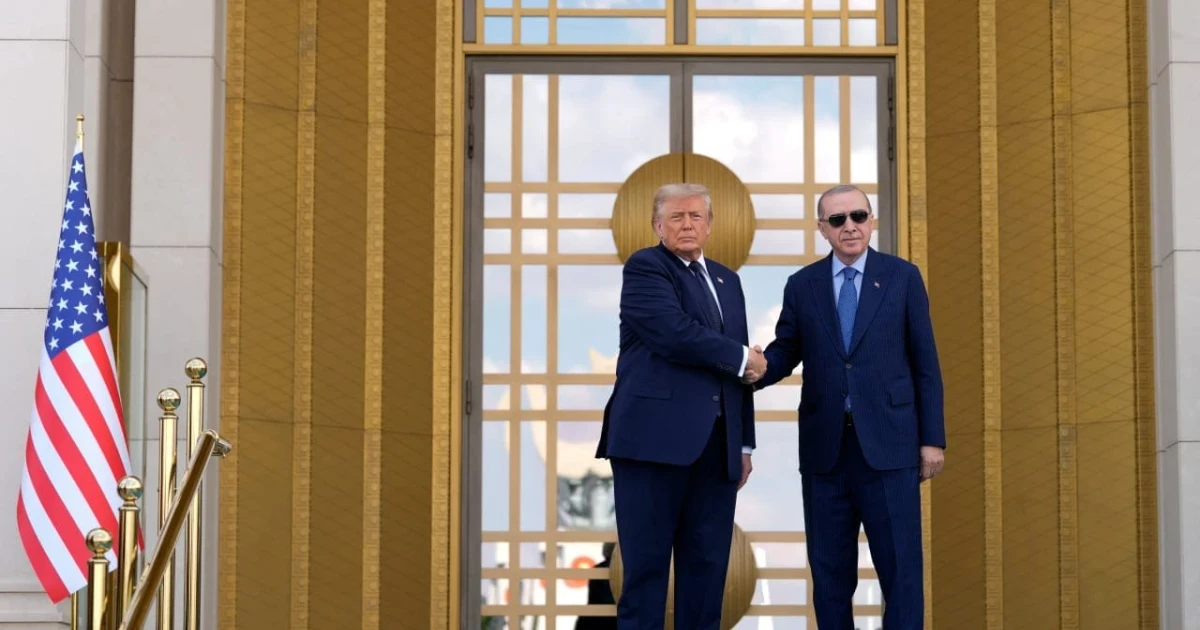
Trump arrived in Ankara as NATO leaders opened a two-day summit built around defense spending, industrial production and Ukraine, with the alliance's 32 members meeting at the Beştepe Presidential Complex on July 7-8. NATO said the task was "to turn Allied commitments into concrete results," and Secretary General Mark Rutte said, "The task ahead is clear: to turn Allied commitments into concrete results. Increased investment, industrial production and continued support for Ukraine."
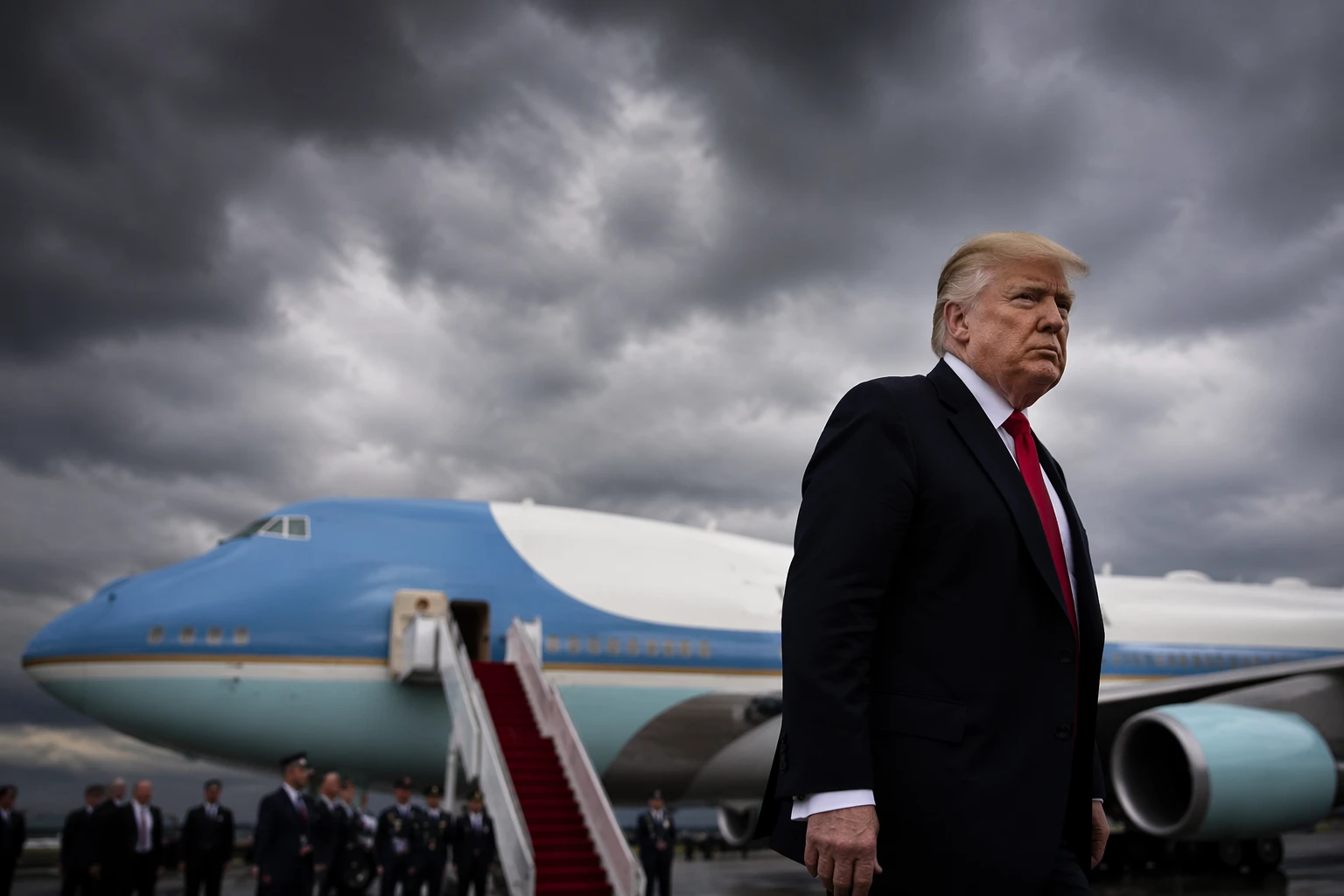
Trump used the run-up to the meeting to revive a familiar attack on the alliance, calling U.S. support "ridiculous" when the relationship is "not reciprocal" and repeating his complaint that NATO is a "one-sided path." His criticism is not new. He has long called the alliance obsolete, and in 2018 he threatened to pull out if allies did not raise defense spending.
The pressure has changed budgets. NATO said European allies and Canada increased core defense expenditure by nearly 20% in 2025 from 2024, and that five allies are already expected to meet the 3.5% core-defense guideline in 2026 while 17 are predicted to hit the 1.5% security-investment goal well before the 2035 deadline agreed in The Hague. NATO's 2025 annual report also found all allies met or exceeded the alliance's 2% benchmark last year.
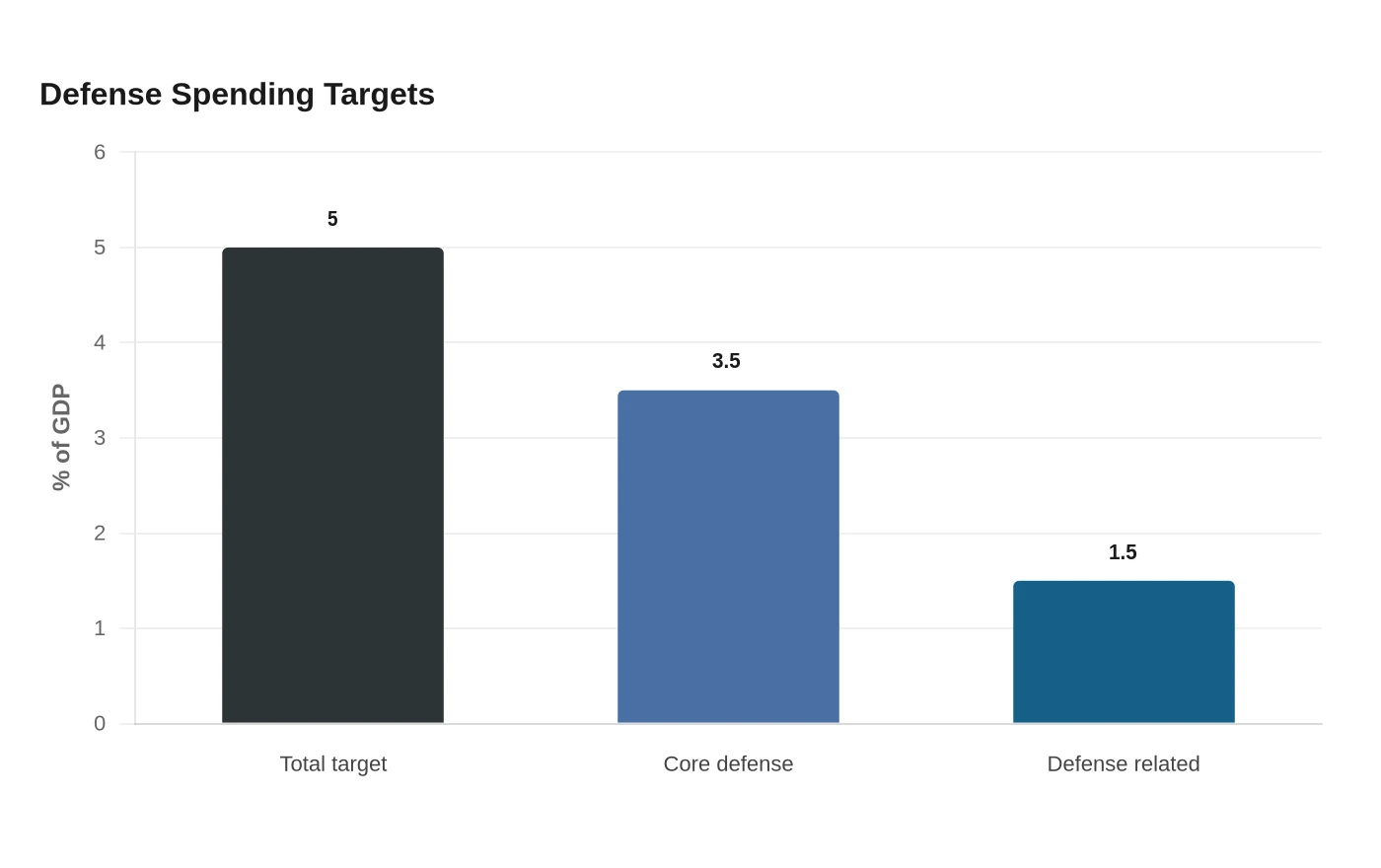
What foreign leaders appear to take most seriously is Trump's demand for more spending and weapons production. What they are trying to contain is the political damage from his broader anti-alliance rhetoric. The summit agenda, set out by NATO before the meeting, focused on defense investment, defense industry and support for Ukraine, while a congressional briefing on the summit said allies were expected to address Trump's criticisms and concerns about NATO political cohesion and alliance credibility. The same briefing said Rutte wants concrete plans for the new 5% of GDP target by 2035, split between 3.5% for core defense and 1.5% for defense-related spending.
At the same time, allies were still signaling continuity. The summit declaration was expected to reaffirm Article 5 and describe Russia as a long-term threat, even as NATO planned new defense contracts and aid for Ukraine. That split, between taking Trump's budget demands seriously and treating his wider threats as manageable, has become the alliance's working assumption in Ankara.
Sources
- [1]nytimes.com