Politics
Trump Ally Plans China Visit Amid Rising Diplomatic Tensions
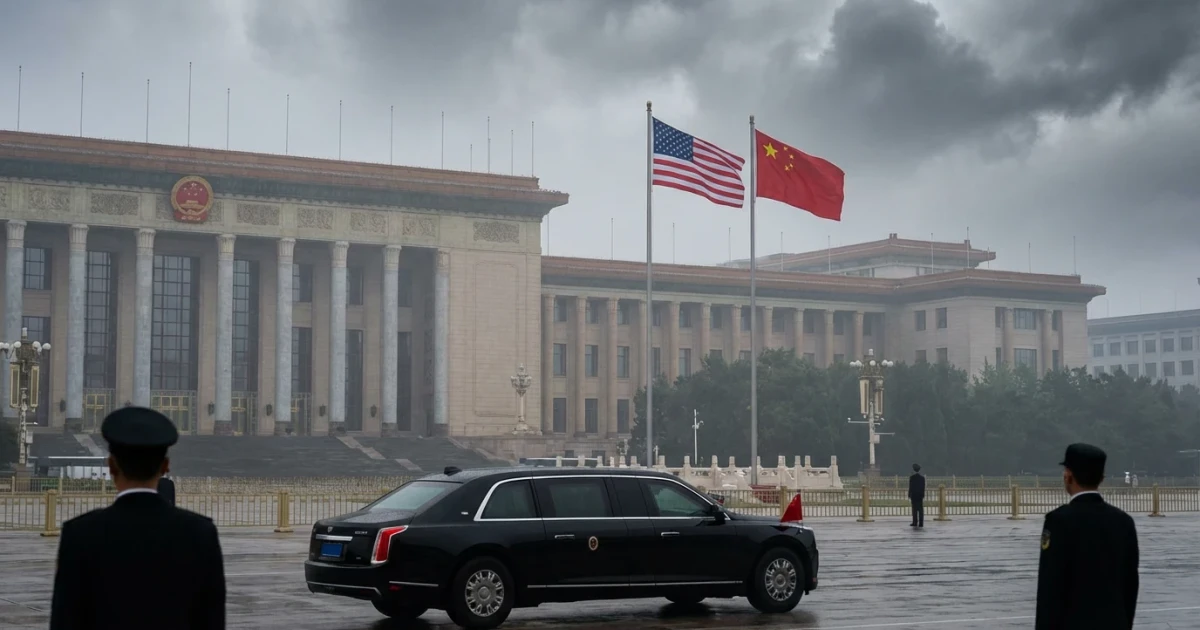
A prominent ally of former U.S. President Donald Trump is scheduled to visit China in the coming weeks, a move that comes as the United States intensifies diplomatic pressure on Beijing ahead of a major summit set for May. The news, first reported by the South China Morning Post, signals a new round of engagement between key political figures amid persistent friction in U.S.-China relations.
Visit Timed as Strategic Pressures Mount
The Trump ally’s trip will take place just before a highly anticipated summit between U.S. and Chinese leaders, where issues ranging from trade and technology to security and regional influence are expected to dominate the agenda. According to the South China Morning Post, this visit underscores the complex interplay of diplomatic gestures and political signaling as the two countries navigate a period of heightened competition.
- The U.S. has recently amplified its diplomatic and economic pressure on China, including new measures on trade and technology export controls, as detailed in the U.S. Trade Representative’s official records.
- China, in turn, has responded with its own set of countermeasures, reinforcing nationalist rhetoric and pursuing new partnerships across the Global South, according to ongoing analysis by the CSIS China Power Project.
Political Significance of the Visit
The planned visit by a Trump confidant is being closely watched by both American and Chinese officials. While the identity of the ally has not been disclosed by the South China Morning Post, such trips are often designed to convey unofficial messages or explore avenues for backchannel dialogue. With the U.S. presidential campaign season heating up, the timing also raises questions about how domestic political calculations in Washington may shape foreign policy tactics toward Beijing.
Recent research from the Peterson Institute for International Economics highlights how U.S.-China economic relations have become increasingly intertwined with political narratives, both in Congress and on the campaign trail. The introduction of new legislative proposals, including the Countering the PRC Malign Influence Fund Authorization Act, illustrates the bipartisan nature of concerns regarding China’s global ambitions.
Ongoing Challenges and Areas of Competition
Aside from high-profile summits and diplomatic visits, the U.S. and China continue to confront each other across multiple fronts:
- Trade: The bilateral trade relationship remains strained, with annual U.S.-China goods trade exceeding $500 billion, but marked by tariffs, restrictions, and ongoing disputes.
- Technology: Export controls and investment reviews have become central tools as both sides seek to protect and advance their tech sectors.
- Security: Military posturing in the South China Sea and around Taiwan has increased, further complicating diplomatic engagement.
Analysis: What’s at Stake?
As the May summit approaches, both Washington and Beijing are maneuvering to set the terms of engagement and project influence. The Trump ally’s upcoming visit is emblematic of the broader competition in diplomatic narrative and agenda-setting—a contest described by Brookings experts as a competition in narratives that shapes global perceptions and policy outcomes.
Looking ahead, the outcome of these engagements and the summit itself will likely influence the trajectory of U.S.-China relations for months, if not years, to come. With economic, technological, and security issues all in play, observers around the world will be watching closely for signs of either escalation or détente.