World
Trump and German Chancellor Clash Over Iran Policy
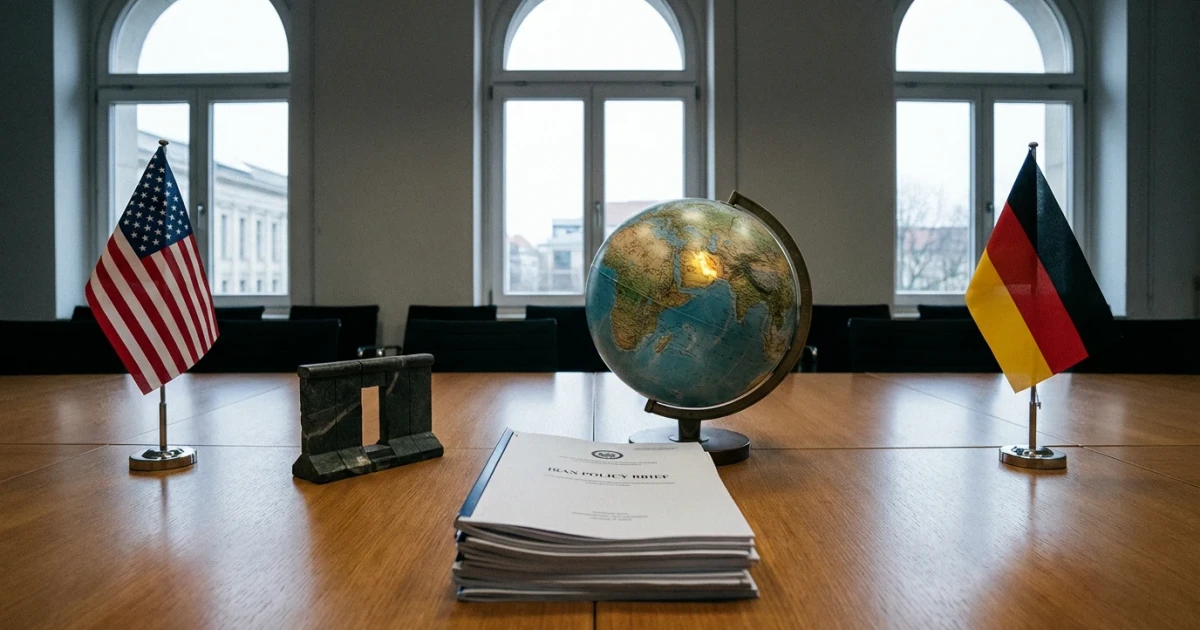
Former US President Donald Trump has publicly criticized the German chancellor over her stance on Iran, underscoring a deepening rift between US and European leaders regarding Middle East policy. The exchange comes as Germany faces economic challenges and as European patience with the ongoing Iran conflict is tested.
Trump Rebukes German Chancellor’s Iran Approach
In remarks covered by The Economic Times and Reuters, Trump asserted that Germany is "doing so poorly" and attributed some of the country’s difficulties to what he described as the chancellor’s misunderstanding of the Iran issue. The criticism follows recent comments from Germany’s Chancellor, who suggested that the United States is "being humiliated by Iran," a sentiment echoed by German opposition leader Friedrich Merz, according to CNBC.
- The Economic Times reported Trump’s direct rebuke, highlighting his claim that the German chancellor fails to grasp the complexities of Iran policy.
- Reuters noted that Trump’s reaction was triggered by public criticism from Germany’s leadership, escalating the diplomatic spat.
- CNBC added context from Merz, who said Europe’s patience with the US-Iran relationship is "waning."
Economic Context Heightens Diplomatic Tensions
Trump’s comments come at a time when Germany is grappling with economic headwinds. Recent quarterly GDP data show sluggish growth, and key economic indicators reflect continued challenges, including inflation and trade uncertainties. The Economic Times pointed to Germany’s economic struggles as a backdrop to the political dispute, suggesting that foreign policy missteps may be contributing to broader instability.
- Germany’s official GDP figures reveal ongoing stagnation.
- An analysis from the International Monetary Fund highlights Germany’s vulnerability to global geopolitical tensions.
Europe’s Frustration With US-Iran Policy
As noted by Reuters and CNBC, the German government and other European leaders have expressed growing frustration with what they perceive as US indecision and lack of progress on the Iran issue. The chronology of European involvement in the Iran conflict shows a history of diplomatic efforts and sanctions, but recent developments have strained transatlantic cooperation.
- German officials warn that continued stalemate risks further destabilizing the region.
- European patience is "waning," as leaders question the effectiveness of current US-led initiatives.
Political Implications and Public Responses
The exchange between Trump and German leaders is indicative of broader political tensions. While Trump’s statement—"No wonder Germany is doing so poorly"—was widely circulated, German officials have doubled down on their criticisms, emphasizing the need for a unified European response to the Iran challenge.
No direct quotes were included in the original sources, but the coverage reflects a pattern of escalating rhetoric and mutual recrimination. Analysts note that such disputes may have implications not only for diplomacy but also for economic cooperation and security policy in Europe.
Looking Ahead: Can US and Europe Reconcile Their Iran Strategies?
With Germany’s economic outlook uncertain and European leaders increasingly vocal about their dissatisfaction with US policy, the transatlantic relationship faces new tests. Observers suggest that resolving these differences will require renewed diplomatic engagement and a clearer strategy on Iran. For readers interested in the underlying economic and geopolitical dynamics, official German national accounts and European policy chronologies offer deeper insights.
As both sides stake out their positions, the world will be watching to see whether this war of words evolves into substantive policy changes—or simply remains a symptom of shifting alliances in a turbulent geopolitical landscape.