World
Trump and Iran clash over claim of nuclear site inspections
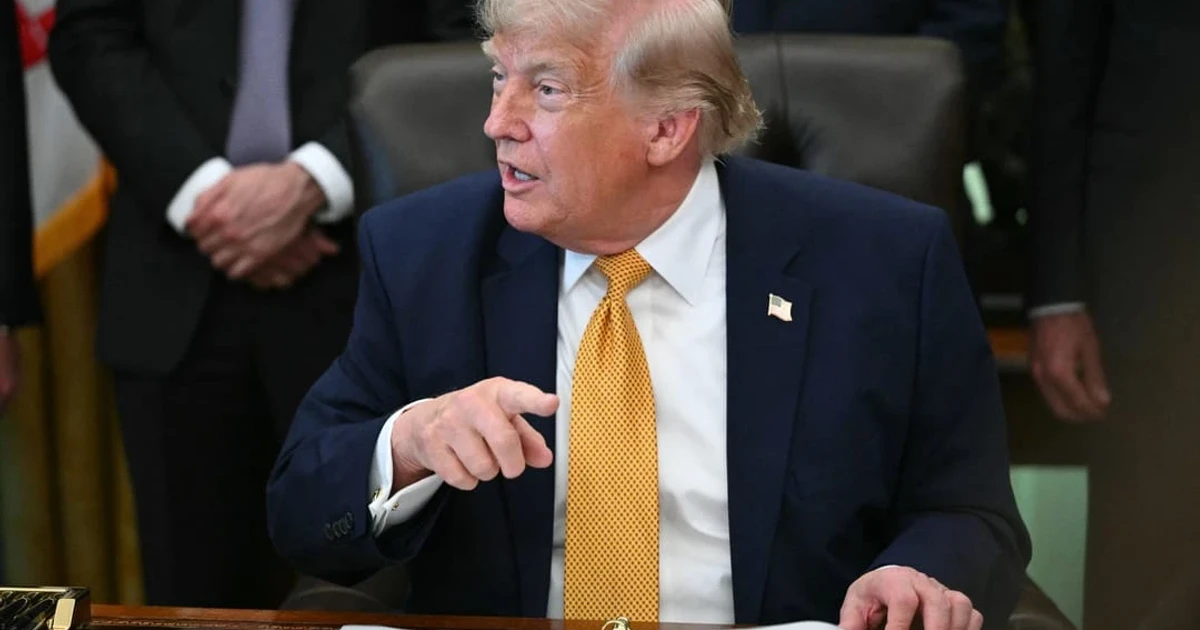
The central test of the new U.S.-Iran opening is not whether both sides say talks are moving forward, but whether they mean the same thing when they say inspections. Donald Trump said Iran had agreed to full inspection of its nuclear sites long into the future, while Tehran immediately denied making that commitment. The clash has put the credibility of the emerging understanding in Switzerland under a harsher spotlight, because without a shared inspection regime, any accord risks collapsing before it is signed.
JD Vance had tried to project momentum on June 22, saying Iran had agreed to let International Atomic Energy Agency inspectors back into the country and calling it a major milestone. But Iranian Foreign Ministry spokesman Esmaeil Baghaei said on June 23 that there were no plans for IAEA inspectors to visit Iran’s damaged nuclear facilities and that no protocol existed for such inspections. That gap goes to the heart of the deal: Washington is describing a pathway back to monitoring, while Tehran is rejecting the very terms that would make monitoring possible.
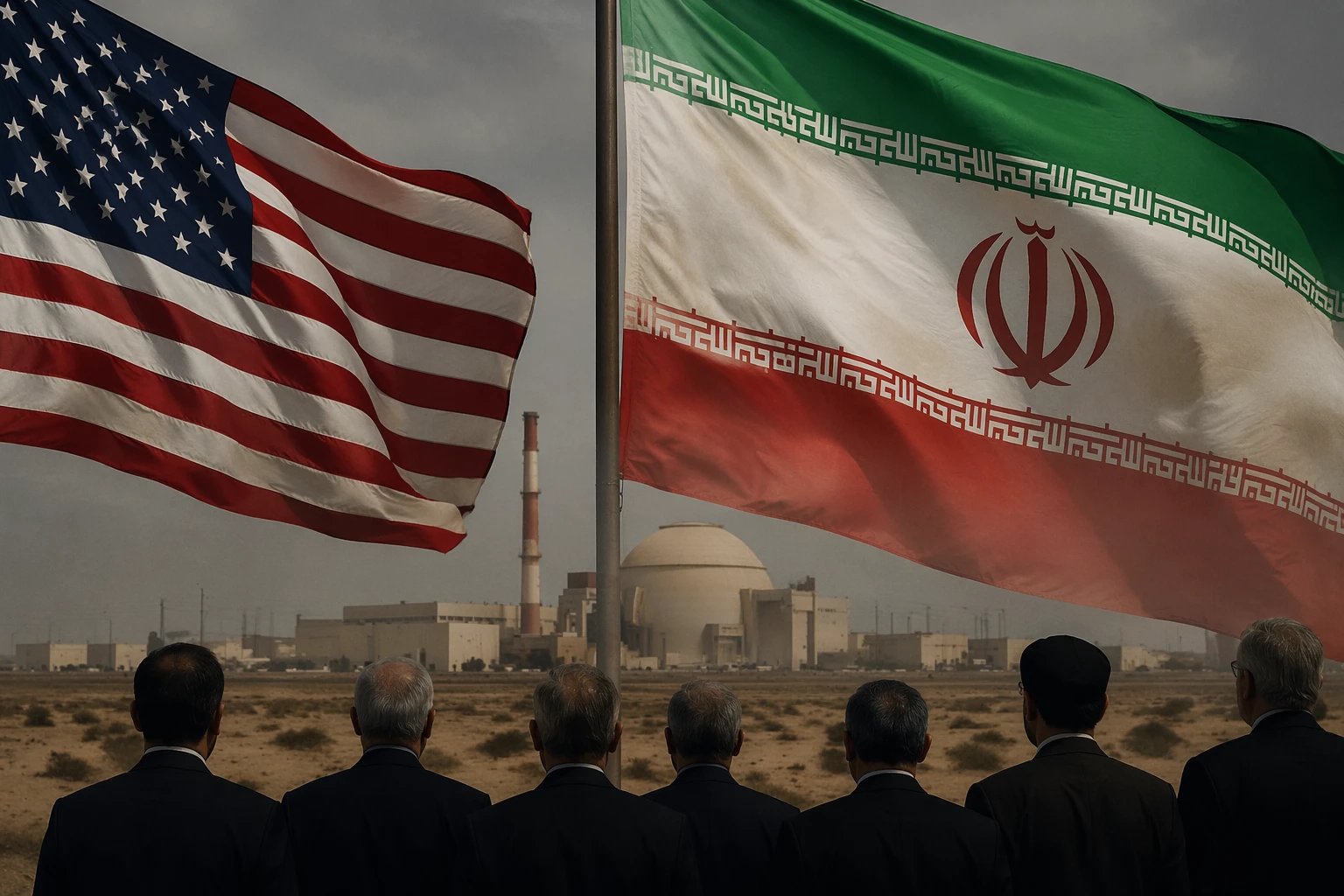
The stakes are high because the IAEA has been shut out of normal in-field verification for months. The agency said Israel attacked several Iranian nuclear facilities between June 13 and June 24, 2025, and that the United States struck three facilities on June 22, 2025. IAEA inspectors were withdrawn by the end of June 2025 for safety reasons. Politico reported that the agency stopped all in-field verification activities in Iran when the war started in February 2026, though it was able to resume limited inspection of one site in early June 2026. The last access to the declared military sites affected by the 2025 strikes was in June 2025.
Any real inspection deal would have to cover more than a visit to damaged buildings. The IAEA Board of Governors asked in a February 27, 2026 report for verification of Iran’s uranium stockpile, including locations, quantities, chemical forms and enrichment levels, as well as centrifuge inventories. That is the mechanism that would tell inspectors whether Iran still holds material that can be enriched further, whether centrifuges remain in place, and whether safeguards obligations are being met. Politico reported that the proposed deal still lacked an inspection regime, and that Iran had not destroyed its enriched nuclear material or dismantled nuclear sites.
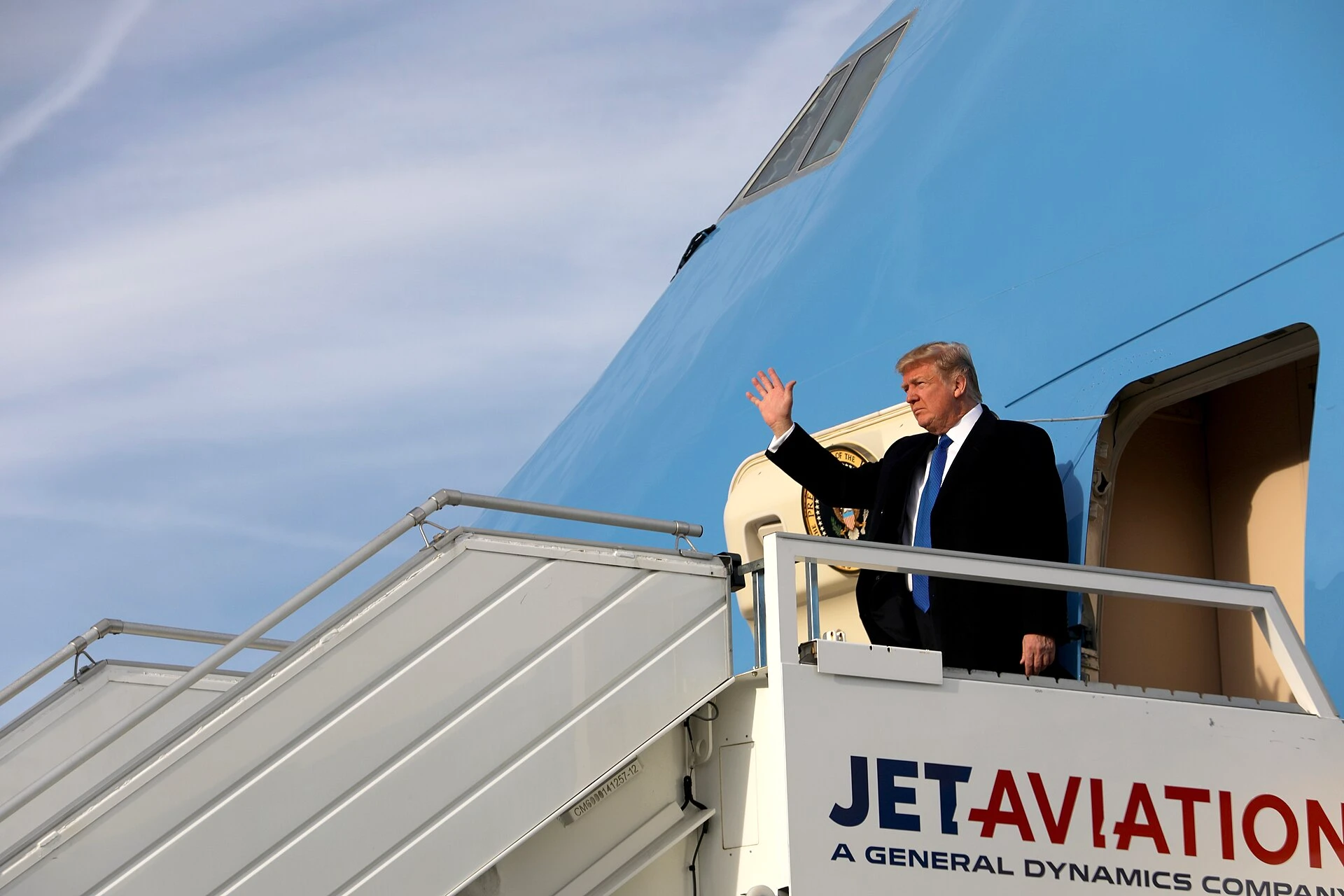
Washington has framed the negotiations as a two-month period that began after a memorandum of understanding announced by Trump earlier this month and signed in Versailles. Trump has tied the talks to ensuring Iran never gets a nuclear bomb and keeping the Strait of Hormuz open. Reuters reporting said U.S. sanctions waivers on Iran were being eased for 60 days from Monday after the first round of talks. For now, the dispute over inspections shows how quickly a diplomatic opening can run aground when the terms of verification remain undefined.
Sources
- [1]nytimes.com
- [2]politico.com
- [3]timesofisrael.com
- [4]iaea.org
- [5]reuters.com