World
Trump and Iran reach tentative deal after three months of war
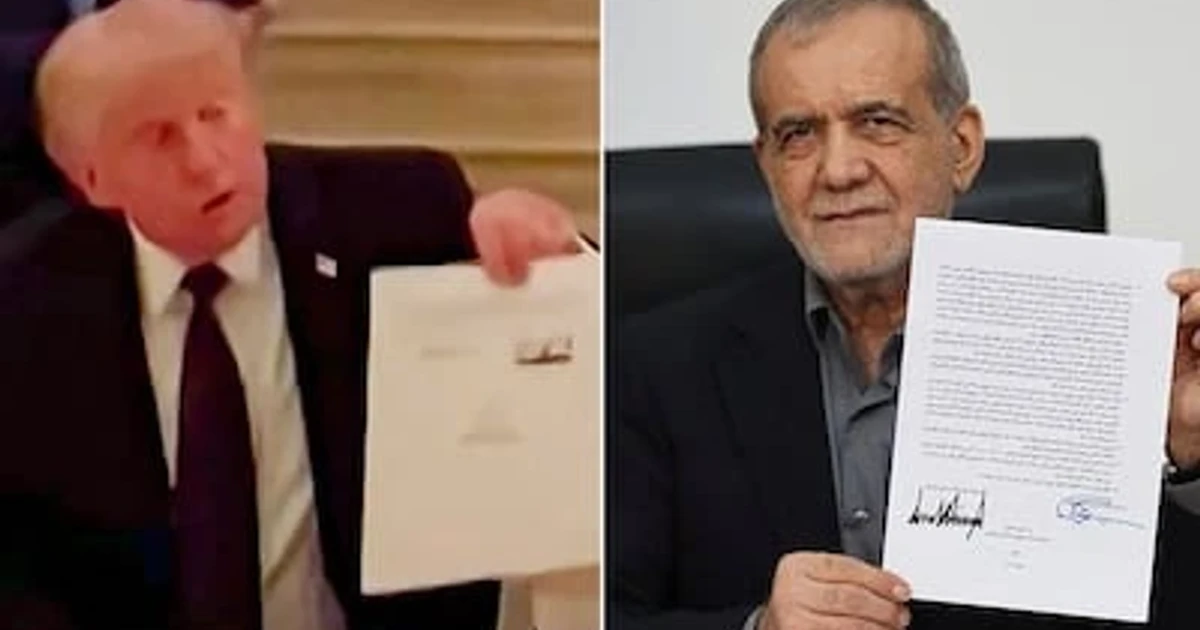
Washington now faced a stark choice: escalate after years of stalemate, or use the first tentative opening in the war with Iran to test a limited thaw that would break nearly five decades of confrontation. The Trump administration and Tehran reached a framework after more than three months of war and stop-start negotiations, setting off immediate questions about whether pressure had finally forced diplomacy, or only paused a larger clash.
The rupture between the United States and Iran has long been traced to the 1953 coup against Mohammad Mossadegh and then to the 1979 Islamic Revolution, when anti-American hostility hardened into state policy under Ruhollah Khomeini. The crisis deepened on November 4, 1979, when militants seized the U.S. Embassy in Tehran and held 52 Americans hostage for 444 days, until January 20, 1981. That history still shaped every line of the new accord, which came after years in which the two sides appeared locked into confrontation.
Under the tentative deal, the United States and Iran agreed to a 60-day negotiating window and a 60-day U.S. sanctions waiver. The framework was tied to reopening the Strait of Hormuz, one of the world’s most important oil shipping routes, and reporting said that prospect helped push oil prices lower. Iran also would move toward resuming inspections, with further talks planned on its nuclear program. The White House sent the text of the interim agreement to Congress, where lawmakers from both parties said they wanted more detail.
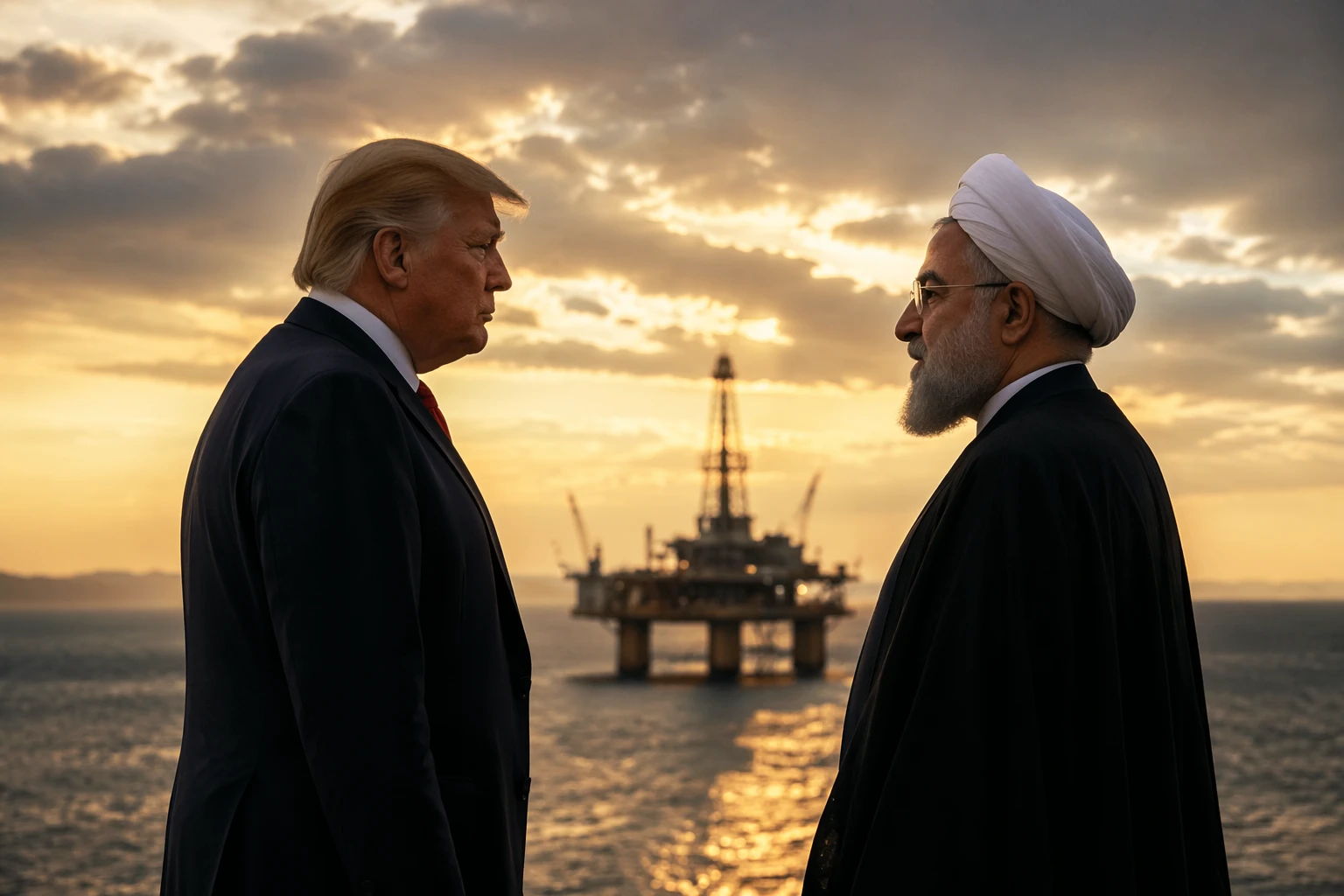
The political reaction in Washington was immediate. Some Republicans blasted the agreement as details emerged, arguing that any relief should be tied to harder limits on Tehran. Outside the Capitol, world leaders and international bodies greeted the tentative deal with guarded optimism, but analysts warned that the hardest issues remained unresolved: Iran’s nuclear program, sanctions relief, and the future of wider regional tensions, including Lebanon and Hezbollah. The International Atomic Energy Agency had said in June 2026 that it could not fully verify the current size, composition or whereabouts of Iran’s stockpile of near-weapons-grade uranium, making inspection access central to any durable settlement.
The contrast with the 2015 Joint Comprehensive Plan of Action was sharp. That accord took roughly two years to negotiate and was built by the United States, China, France, Germany, Russia, Britain and the European Union. Trump’s framework was bilateral and broader in ambition, pairing an end to the war with later bargaining over nuclear limits and sanctions. Whether it became a bridge to lasting diplomacy, or simply a pause before the next crisis, depended on the next 60 days.
Sources
- [1]nytimes.com
- [2]usatoday.com
- [3]britannica.com
- [4]usnews.com
- [5]apnews.com
- [6]cnn.com
- [7]whitehouse.gov
- [8]isis-online.org
- [9]aljazeera.com