World
Trump and Iran sign digital memo to end war, officials say
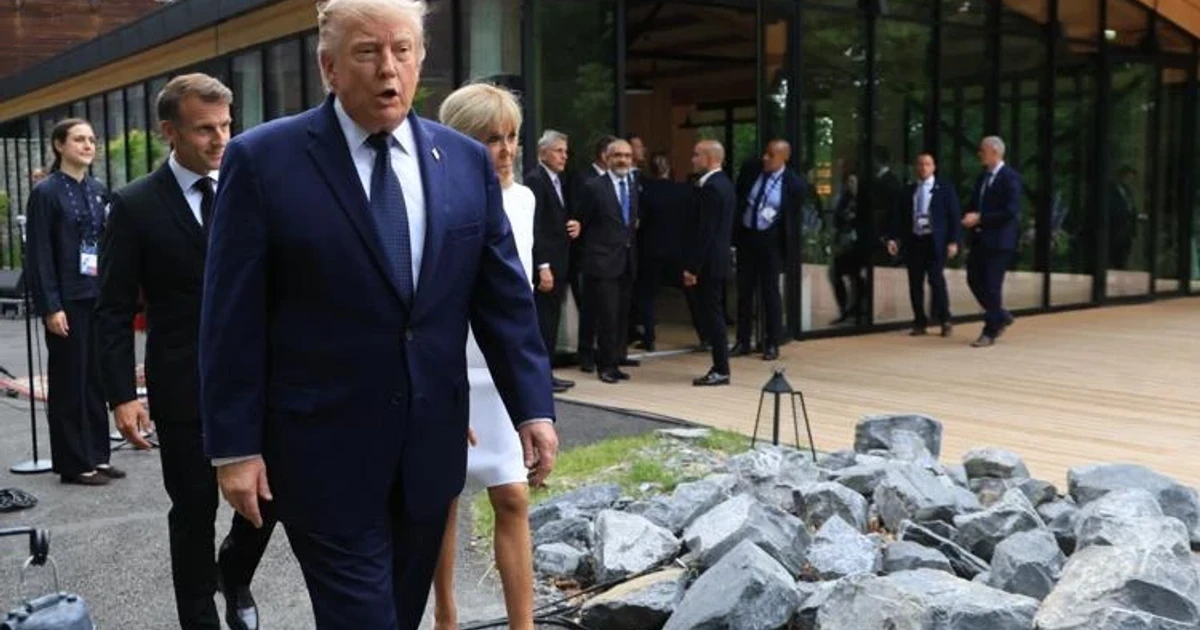
A remotely signed memorandum has moved the Iran war into a new and fragile phase, but the deal’s most enforceable pieces are narrower than the symbolism suggests. A White House official said the memorandum was signed electronically by President Donald Trump and Iranian President Masoud Pezeshkian and is now “in effect,” even as a formal ceremony in Switzerland was still expected later in the week.
The timing underscored the diplomacy’s unusual form. Reuters reported that Trump signed while attending the G7 summit in France, and that the memo had already been signed digitally on Sunday by Vice President JD Vance and Iran’s chief negotiator, Mohammad Baqer Qalibaf. The arrangement points to a negotiated ceasefire framework first, with the ceremony in Switzerland serving as ratification theater rather than the moment when the substantive terms begin.
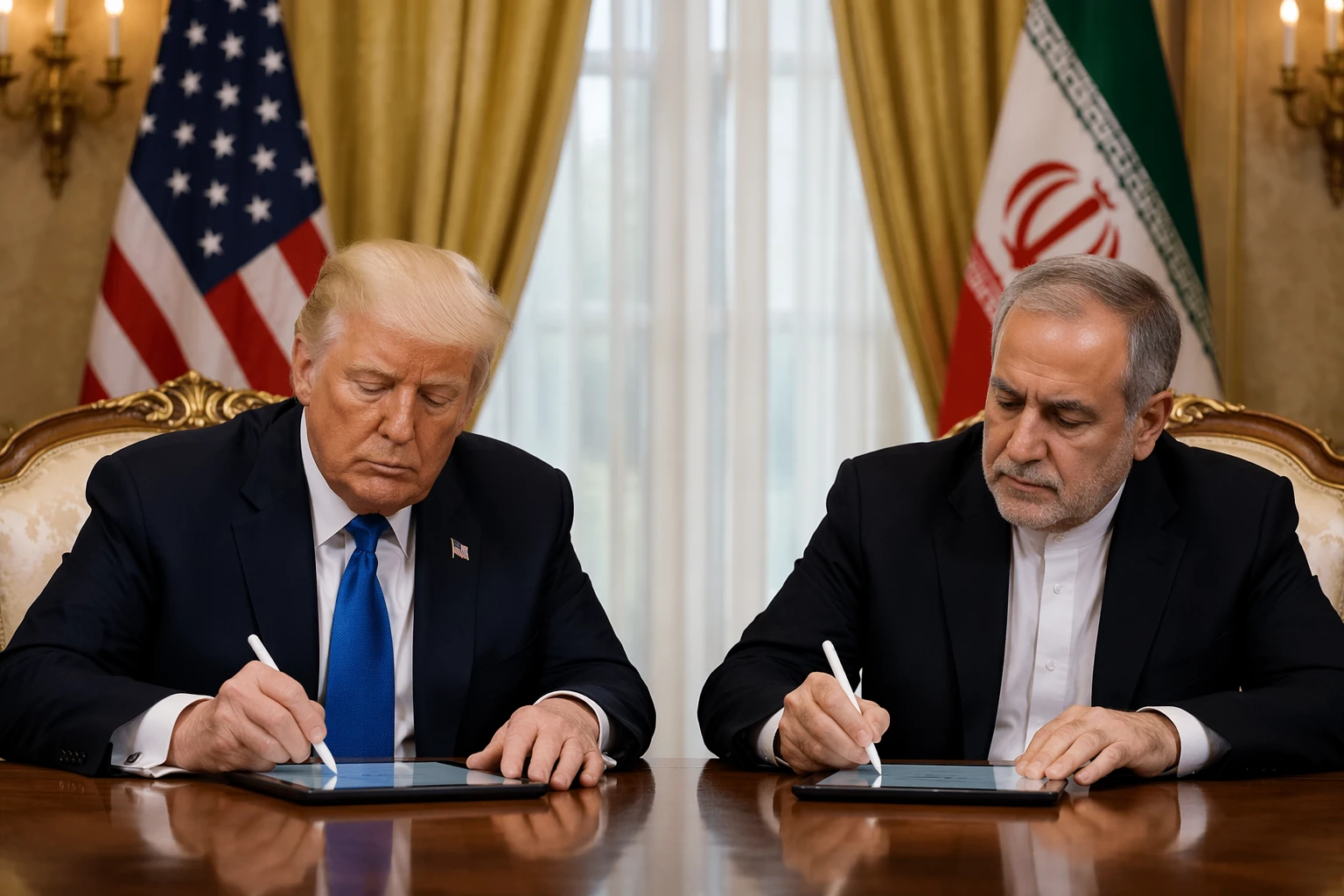
Those terms, according to officials and related reporting, center on a 60-day follow-on negotiating period, reopening the Strait of Hormuz, and ending the U.S. naval blockade. Iran’s Revolutionary Guard said the country would receive half of roughly $24 billion in long-frozen funds before final negotiations begin during the ceasefire extension. Other described elements include sanctions relief and resumed Iranian oil exports, but the durability of those provisions will depend on verification and on whether both sides keep the broader talks alive for the full 60-day window.

That gap between the headline and the text matters. Secretary of State Marco Rubio said in late May that there was “a pretty solid thing on the table” on opening the straits, and that there was “a very real, significant time limit” on negotiations over the nuclear issue. The State Department has also said in May and June that it was continuing sanctions pressure on Iran’s oil trade and sanctions evasion networks, signaling that U.S. leverage was still being applied even as the deal was taking shape.
The politics around the memo were immediate. Senate Democrats, including Senate Minority Leader Chuck Schumer, criticized the arrangement and demanded more details, while Senate Republicans also said Congress should review any final agreement. Israel was not a party to the deal, and its caveats were part of the broader regional backdrop, alongside months of U.S. accusations that Tehran threatened shipping in the Strait of Hormuz and relied on proxy forces across the Gulf and beyond. The memo may pause the war, but the fight over enforcement, sanctions relief, and regional security is only beginning.
Sources
- [1]cbsnews.com
- [2]usnews.com
- [3]state.gov
- [4]kaine.senate.gov
- [5]politico.com