Politics
Trump and Senate Democrats Edge Closer to Deal to Prevent U.S. Government Shutdown
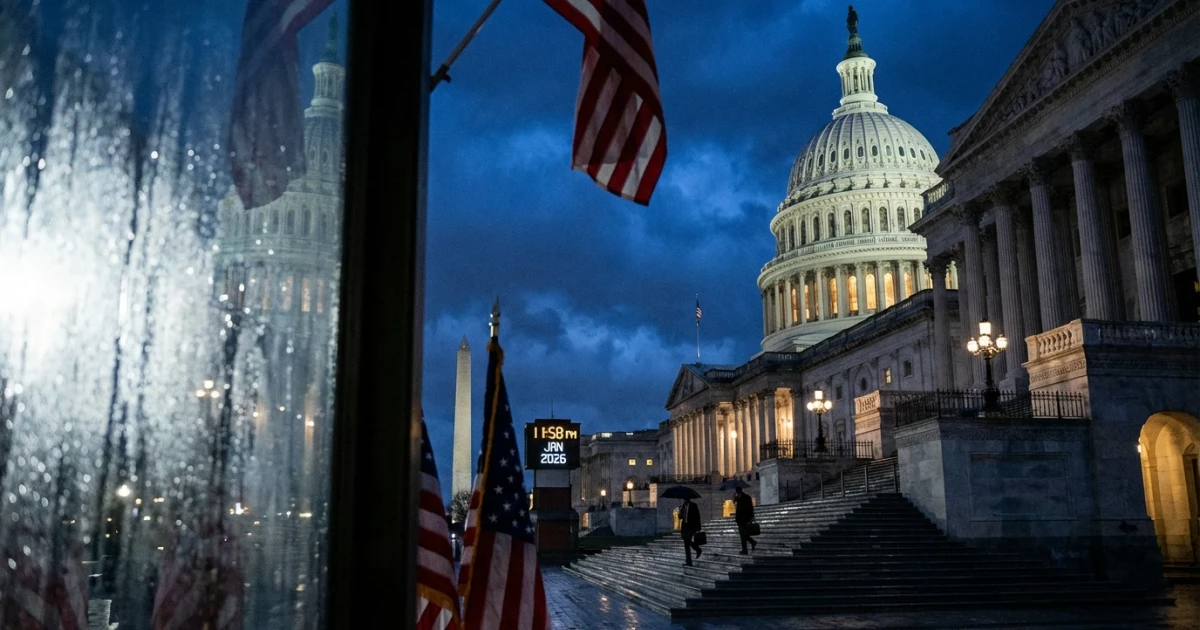
As the deadline to fund the federal government rapidly approaches, former President Donald Trump and Senate Democrats, led by Majority Leader Chuck Schumer, are urgently negotiating a potential compromise to avert a disruptive U.S. government shutdown. Bipartisan talks have intensified in the final hours, raising hopes for a resolution that could keep vital federal services running and avoid economic uncertainty.
Shutdown Threat Looms as Deadline Nears
The threat of a government shutdown has loomed over Washington as lawmakers face an imminent deadline to pass crucial funding legislation. If Congress fails to act, a shutdown could impact hundreds of thousands of federal workers, delay government services, and inject further volatility into the nation’s political landscape.
- Deadline: The current funding deadline is set for the end of the week, with little time remaining for congressional action.
- Economic Risks: Past shutdowns have disrupted everything from national parks to key federal programs, and analysts warn that another lapse could hinder economic momentum.
Trump and Schumer at the Center of Talks
According to multiple reports, Donald Trump has taken an active role in the negotiations, engaging directly with Senate Democrats. Senate Majority Leader Chuck Schumer has emerged as his chief counterpart in these talks, seeking to forge bipartisan agreement on a funding package.
Both sides appear to be motivated by the high stakes and the political ramifications of a shutdown. By working together, Trump and Schumer are attempting to bridge the divide that has often characterized recent budget battles in Washington.
Key Issues and Areas of Negotiation
While specific provisions of the emerging deal remain under wraps, the negotiations reportedly focus on finding common ground on spending priorities and policy riders that have previously stalled progress. Observers note that a successful deal would require concessions from both sides to secure enough support in both the Senate and the House.
- Spending Levels: Setting overall government spending caps is a central challenge.
- Policy Riders: Contentious policy issues—potentially including border security and social spending—are also being debated.
- Bipartisan Support: Any deal must attract votes across party lines to clear the Senate’s 60-vote threshold and win House approval.
Political Stakes for Both Parties
Both Trump and Senate Democrats face political risks and opportunities in the negotiations. For Trump, who remains a key figure in the Republican Party, a deal could demonstrate bipartisan leadership ahead of future elections. For Senate Democrats, led by Schumer, averting a shutdown would showcase effective governance and potentially avoid blame for any disruptions.
Impact on Americans
Americans are watching closely as the outcome will affect government operations nationwide. Past shutdowns have resulted in:
- Furloughs for federal workers
- Delays in paychecks and services
- Closed national parks and museums
- Stalled economic activity
Looking Ahead: Will a Deal Be Reached?
With time running short, the coming days will be critical. Lawmakers from both parties are under pressure to finalize an agreement that can pass Congress and be signed into law, preventing a scenario that could have wide-reaching effects on both the economy and public confidence in government.
The convergence of former President Trump and Senate Democrats in these negotiations marks a rare moment of bipartisanship in an otherwise polarized political environment. The nation now waits to see if this cooperation will be enough to keep the government’s doors open.
Sources
- [1]Reuters
- [2]The New York Times