Technology
Trump and xAI pressure citizen lawsuits, a key environmental enforcement tool
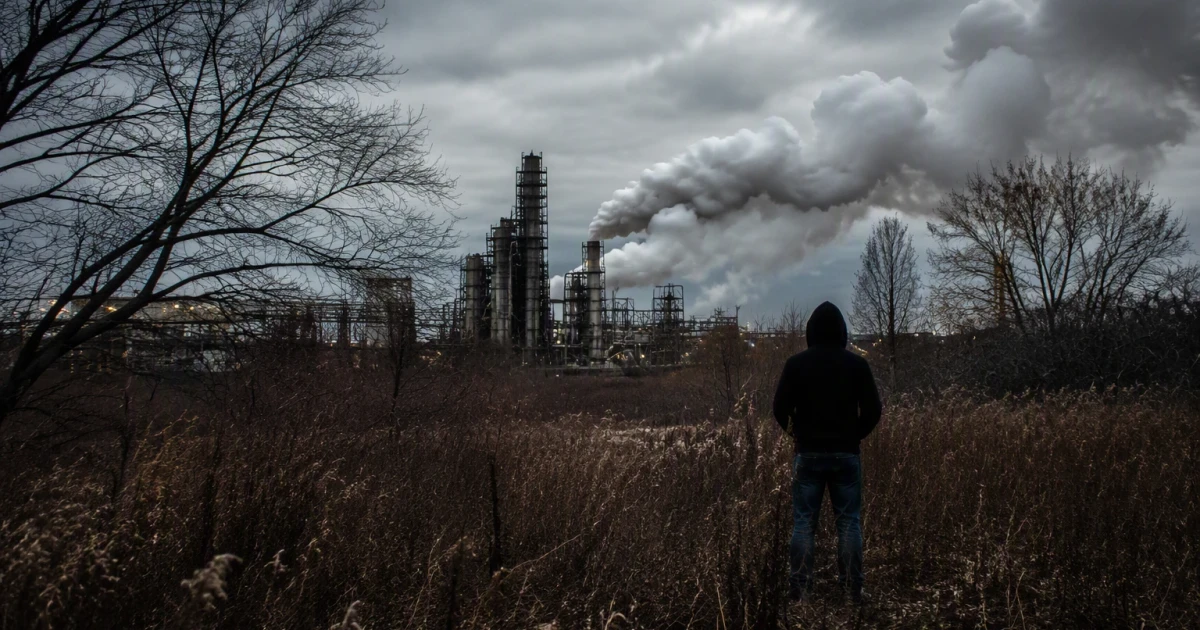
The Trump Justice Department moved to dismiss the NAACP’s pollution lawsuit against xAI on June 16, 2026, pushing a Memphis-area data-center fight into a broader battle over who can police industrial pollution. For people living near refineries, power plants and data centers, the issue is whether residents and environmental groups can still force action when regulators move too slowly or not at all.
Citizen-suit provisions in the Clean Air Act and Clean Water Act let private citizens, neighborhoods and nonprofits sue alleged polluters when government enforcement is weak or slow. Congress built many of those provisions into federal environmental law in the 1970s, and the National Environmental Law Center has said they exist because agencies may lack the resources, or sometimes the will, to take on all polluters. The Environmental Justice Green Book describes that power as allowing citizens to “step into the shoes” of a government agency.
That private enforcement role has shaped real cleanup fights. A citizen-initiated Clean Air Act case helped force a cleanup at ExxonMobil’s Baytown, Texas, refinery and chemical complex, showing how local lawsuits can push companies when official enforcement is limited. On June 30, 2025, the Supreme Court declined to hear cases that could have narrowed citizen-suit enforcement. Crowell & Moring said the justices left “doors wide open” for broad private enforcement under the Clean Water Act and Clean Air Act, and Holland & Hart said the denial preserved the ability of citizen plaintiffs to keep bringing environmental cases.
The xAI dispute began to harden a year earlier, on June 17, 2025, when the Southern Environmental Law Center said it intended to sue the company over alleged Clean Air Act violations tied to gas turbines powering a Memphis-area data center. WREG later said the NAACP and the Southern Environmental Law Center planned to sue over the turbines, and the NAACP filed its case on April 14, 2026, saying xAI was illegally polluting from a data-center power plant. Earthjustice later described the matter as a citizen suit challenging illegal pollution from xAI’s data-center power plant.
Environmental groups cast the Justice Department’s move as an effort to protect xAI and limit public enforcement of environmental laws. The timing also mattered: on February 27, 2026, the Environmental Protection Agency proposed a rule requiring citizen-suit notices to be filed electronically, another sign that the mechanics of private environmental enforcement were being tightened even as industrial expansion, electricity demand and local pollution fights were intensifying.
Sources
- [1]apnews.com
- [2]theconversation.com
- [3]nelc.org
- [4]ejgreenbook.com
- [5]crowell.com
- [6]hollandhart.com
- [7]selc.org
- [8]youtube.com
- [9]naacp.org
- [10]earthjustice.org
- [11]utilitydive.com
- [12]epa.gov